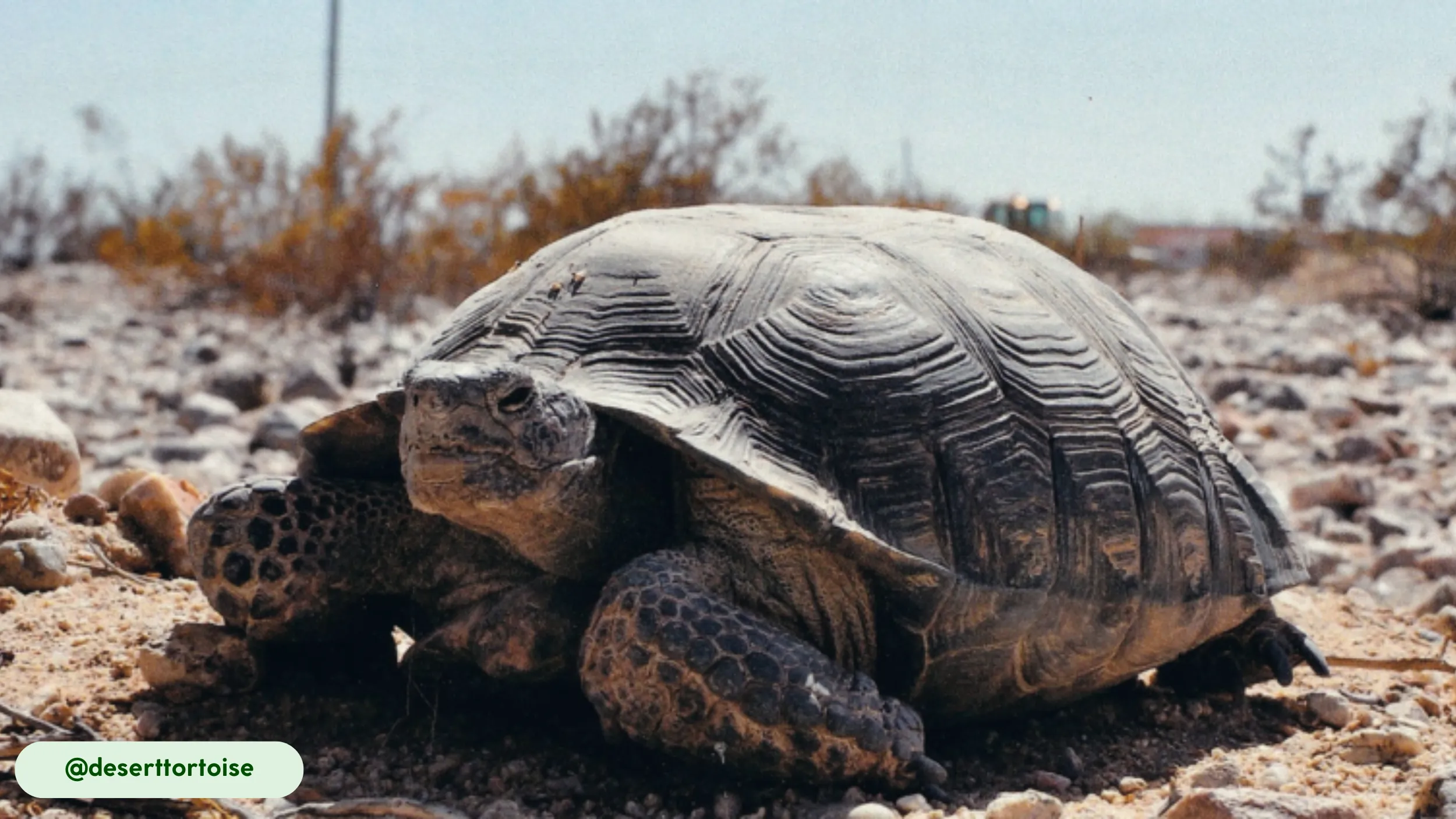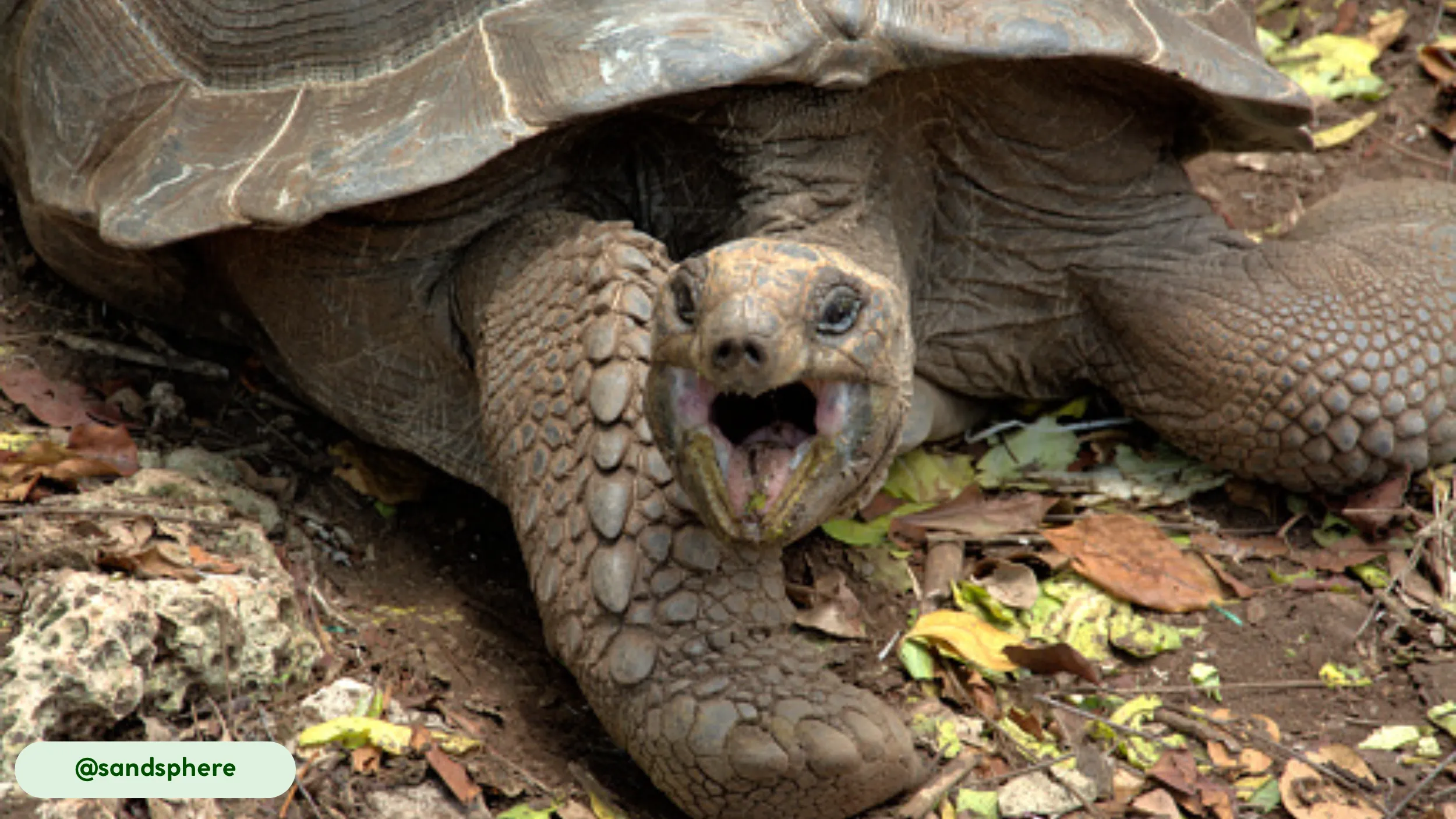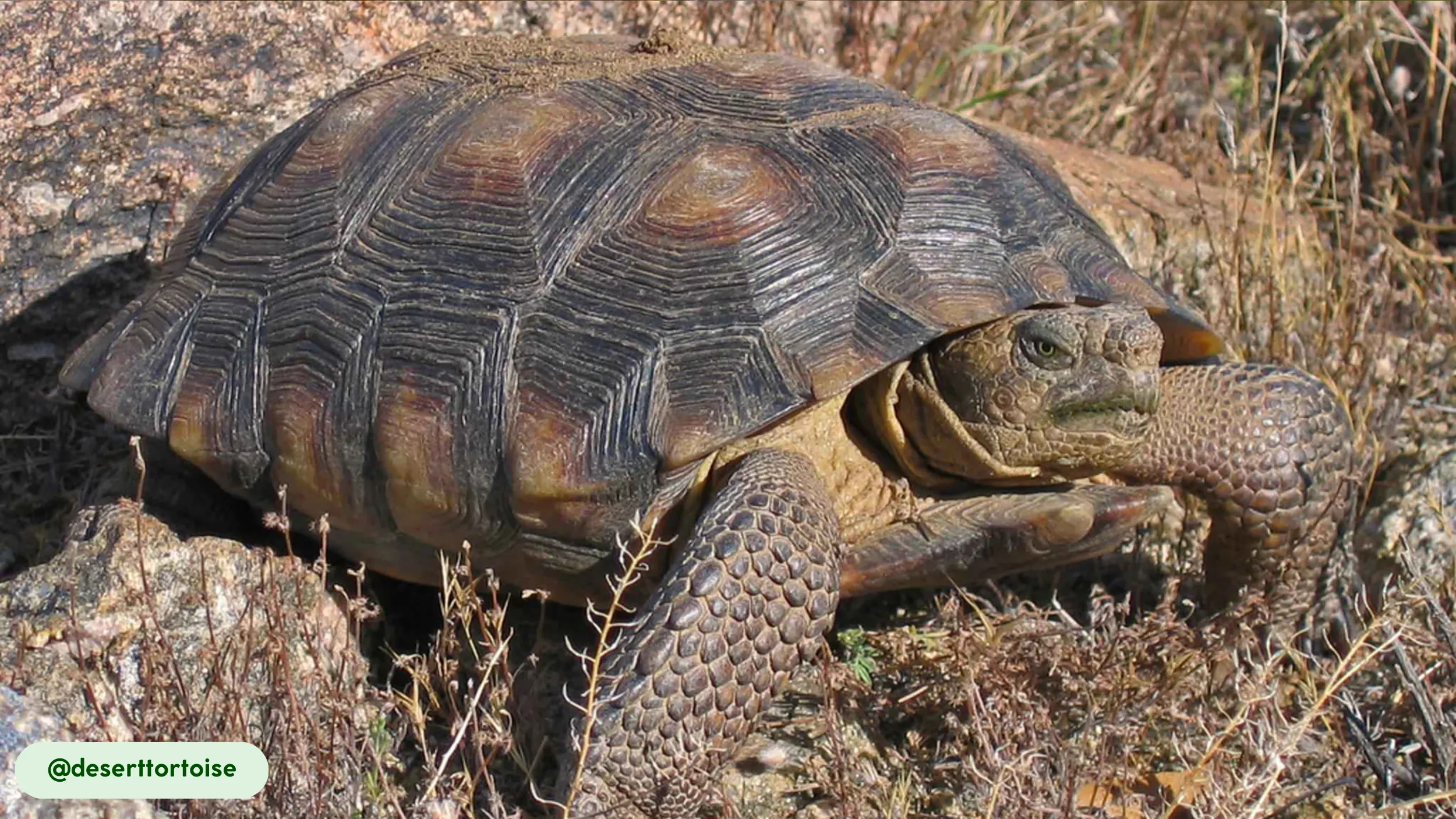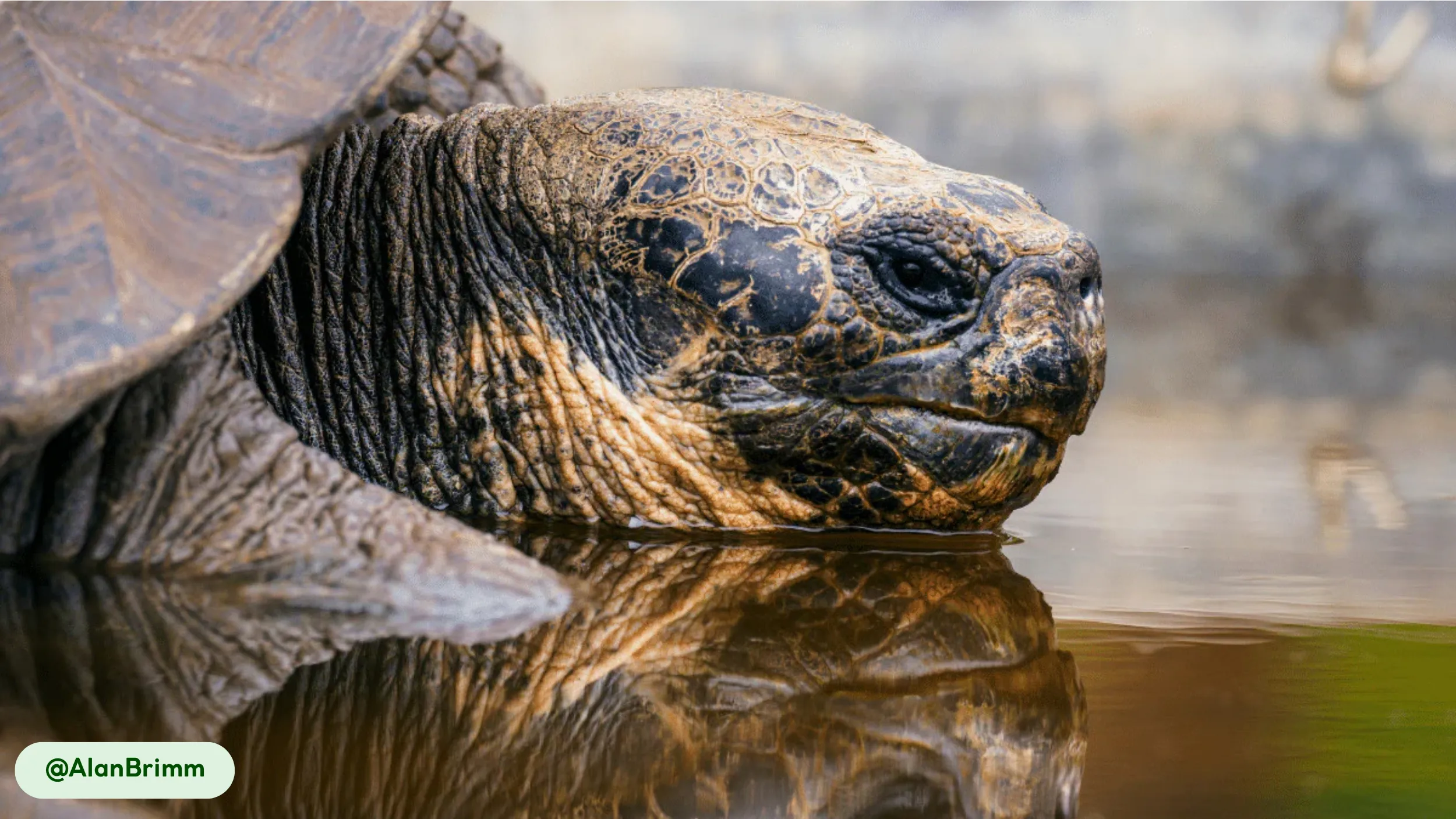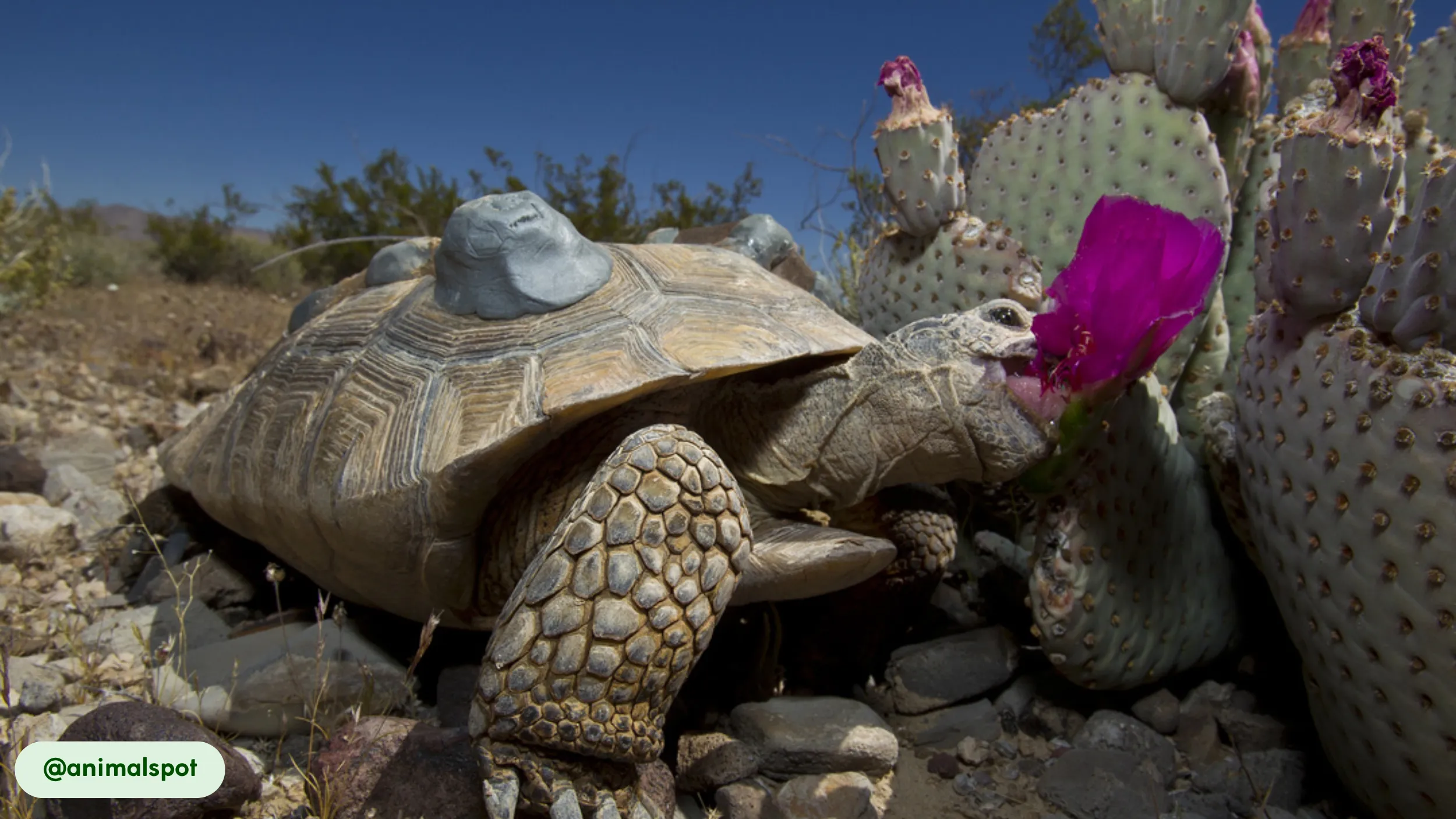
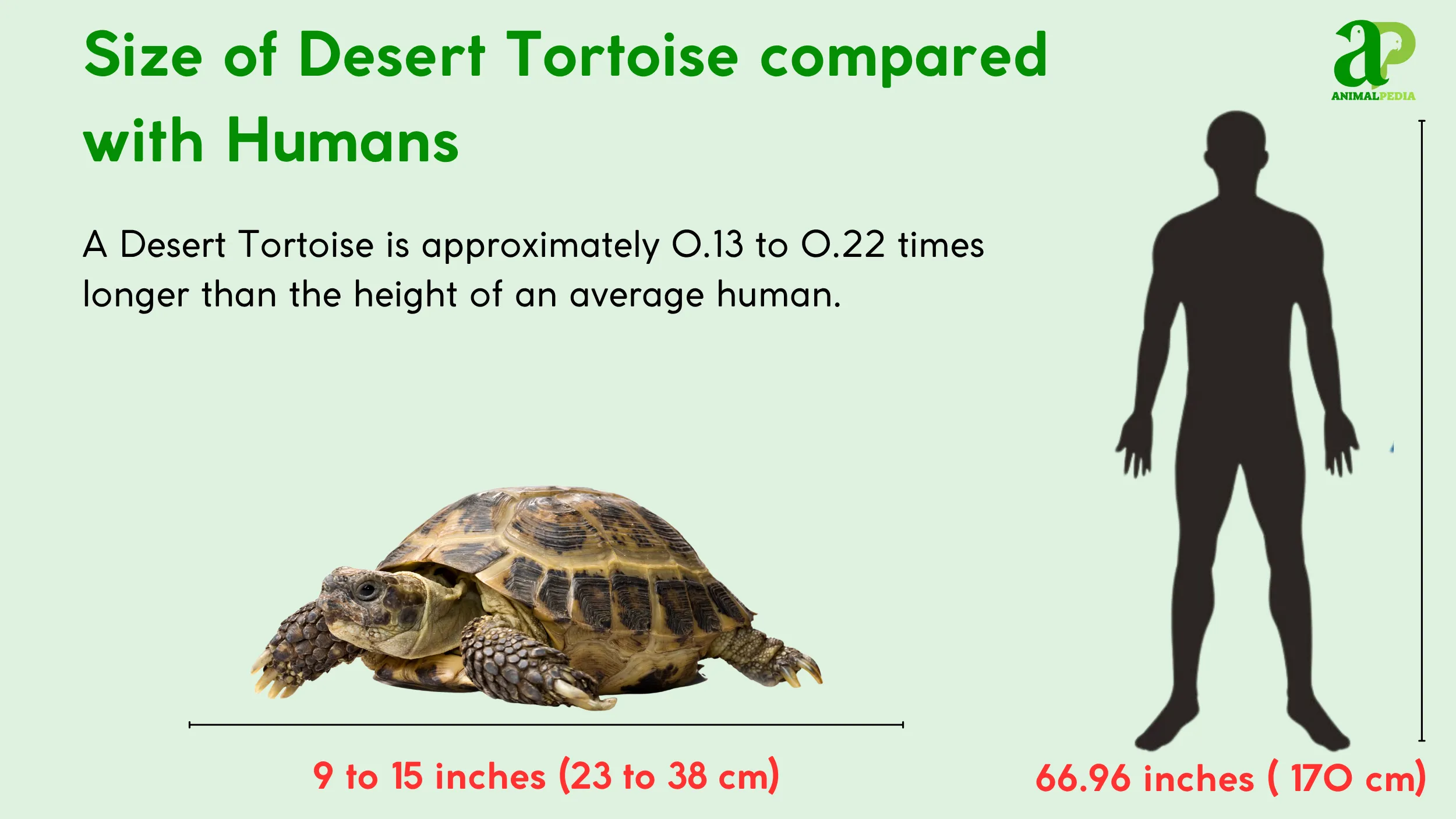
Desert tortoises, Gopherus agassizii, are reptiles native to the arid landscapes of the southwestern United States [30]. This reptile, a member of the Testudinidae family, is a keystone species defined by a high-domed carapace and limbs specifically adapted for extensive burrowing [19]. These tortoises are of moderate size, averaging between 9 to 15 inches (23 to 38 cm) in length and 8 to 15 pounds (3.6 to 6.8 kg) in weight, and they move at a slow pace [11][19].
Their herbivorous diet consists mainly of grasses and wild flowers [19]. This species spends most of its life sheltered in burrows to regulate body temperature and conserve water, a behavior critical for survival in extreme climates [30]. The desert tortoise is currently classified as Vulnerable, facing multiple conservation challenges [8].
This comprehensive guide will examine the biology and habits of the desert tortoise. It will detail its specific physical characteristics, explain its unique burrowing behaviors, and discuss its vital role within its ecosystem. How has this reptile evolved to thrive in one of the planet’s most challenging environments? This information provides a definitive profile of the species.
What Is Desert Tortoises?
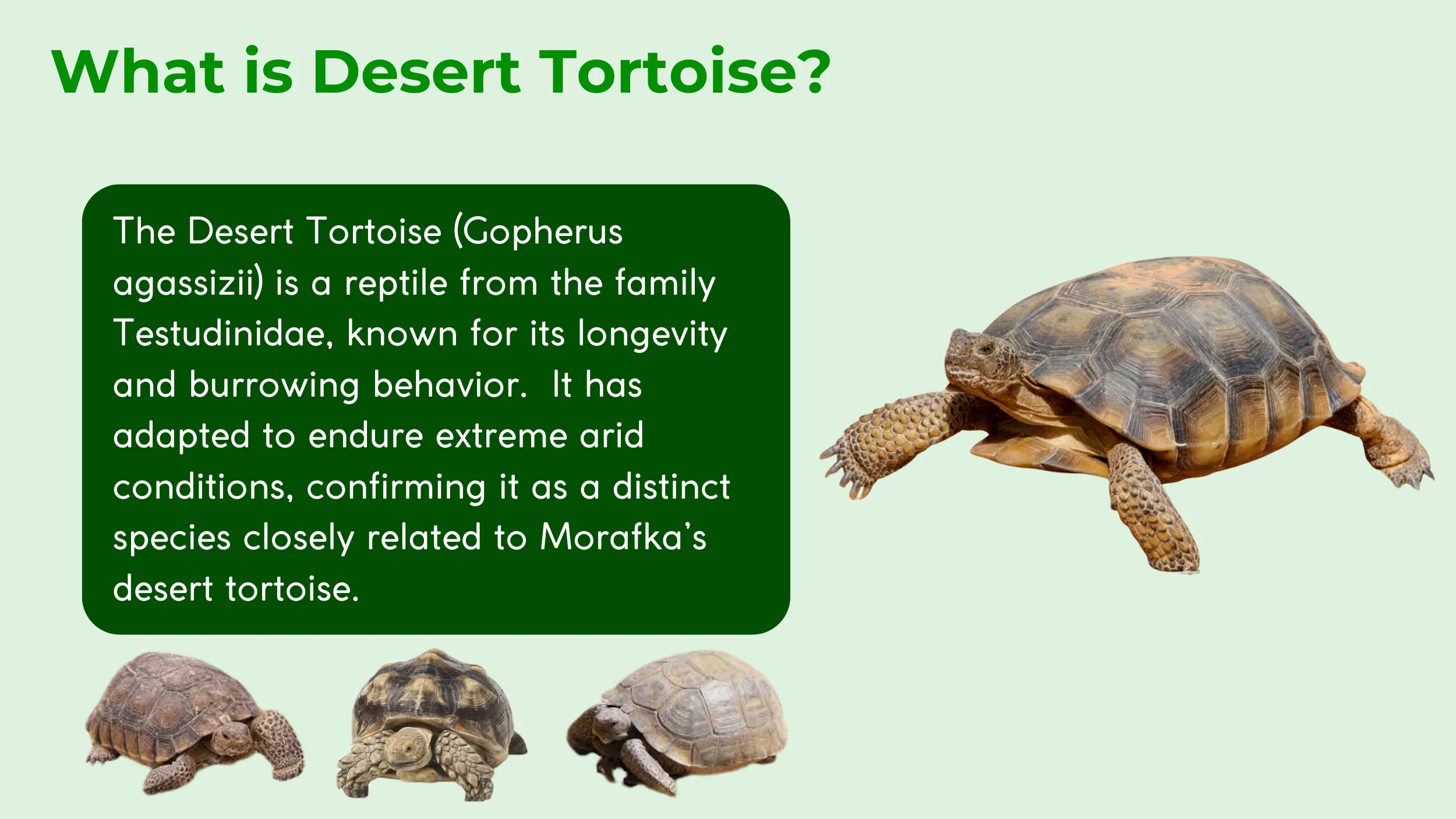
The desert tortoise is a long-lived, herbivorous reptile characterized by its burrowing behavior, which enables it to reside in the deserts of the American Southwest. As a reptile, it is classified within the family Testudinidae, a group that includes all tortoises, and the order Testudines, encompassing all turtles and tortoises. The species’ scientific name, Gopherus agassizii, pays tribute to Jean Louis Rodolphe Agassiz, a prominent 19th-century zoologist.
The common name “desert tortoise” reflects its habitat, while other names, such as the “Mojave desert tortoise” and “California desert tortoise,” also refer to its geographic range. The taxonomic relationship between the desert tortoise and Morafka’s desert tortoise (Gopherus morafkai) is a subject of ongoing scientific discussion. Some researchers present evidence of hybridization east of the Colorado River, suggesting that these species may be reclassified as subspecies.
However, a 2021 IUCN Red List assessment, based on genetic data from 2015 to 2020, confirmed the status of G. agassizii as a distinct species. These reptiles have evolved specific physical characteristics that enable them to endure the extreme conditions of their environment, thereby facilitating their survival and ecological functions.
The tortoise’s form and function are directly shaped by these deep biological relationships. Next, we will examine the physical adaptations that enable its survival.
What Do Desert Tortoises Look Like?
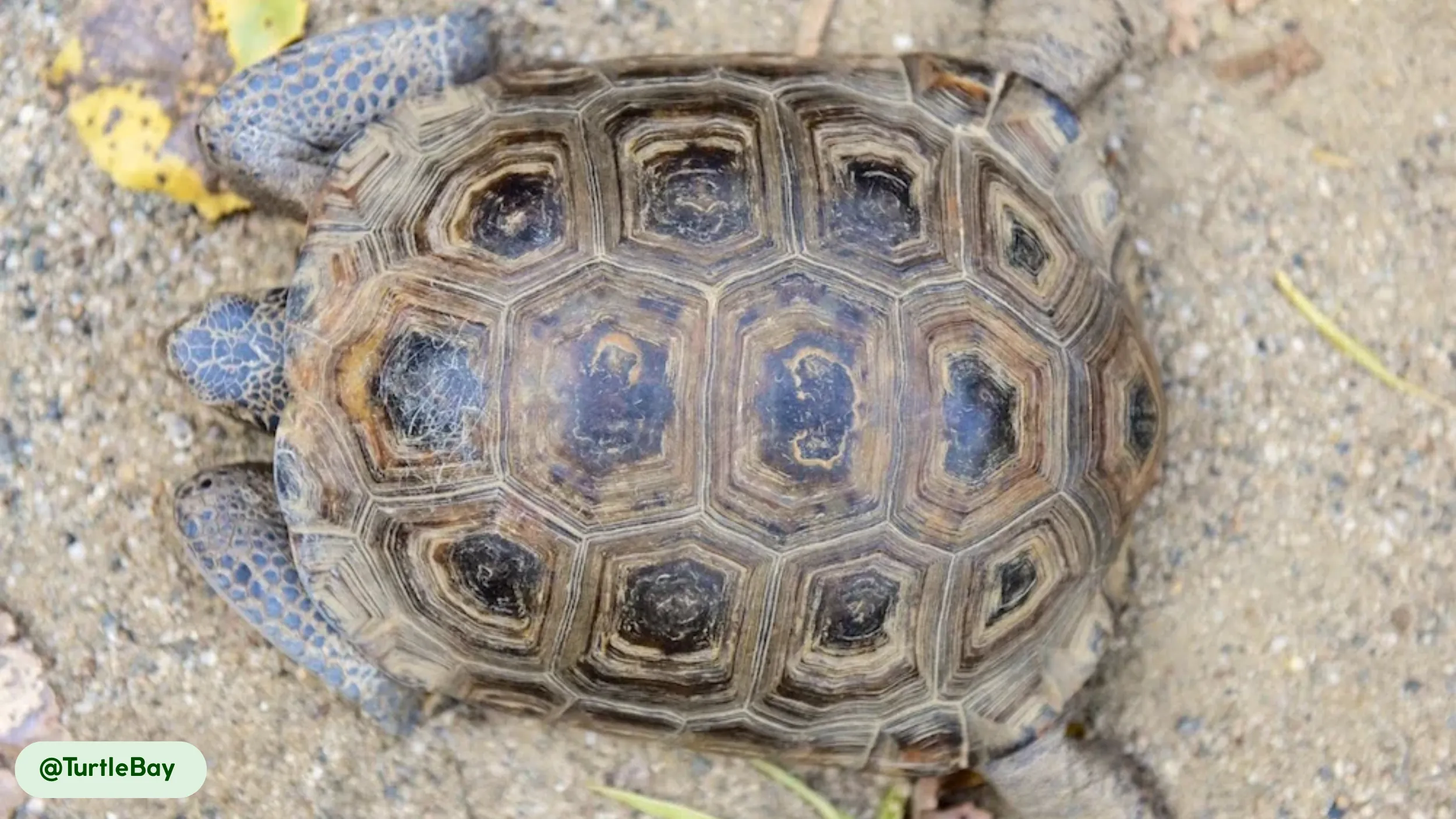
The desert tortoise is distinguished by a highly domed, sturdy body and a carapace with colors ranging from brown to dark olive, often blending into its surroundings. This protective shell, or carapace, features concentric growth rings on each scute, providing a record of the tortoise’s age.
The underside, known as the plastron, is a lighter shade of tan or yellow. The tortoise’s limbs and head are covered in thick, scaly skin, which minimizes water loss. A desert tortoise’s unique morphology is the result of millions of years of adaptation, showcasing specific features that enable a life centered on digging and defense.
A desert tortoise’s appearance is defined by five specific characteristics that enable it to thrive in an arid environment. Each feature contributes to its survival and ecological role.
- Distinctive High-Domed Shell: The shell’s shape provides a significant advantage against predators, making it difficult for animals to crush or penetrate. Its high arch provides ample space for vital organs, allowing the tortoise to retract its head and limbs for protection.
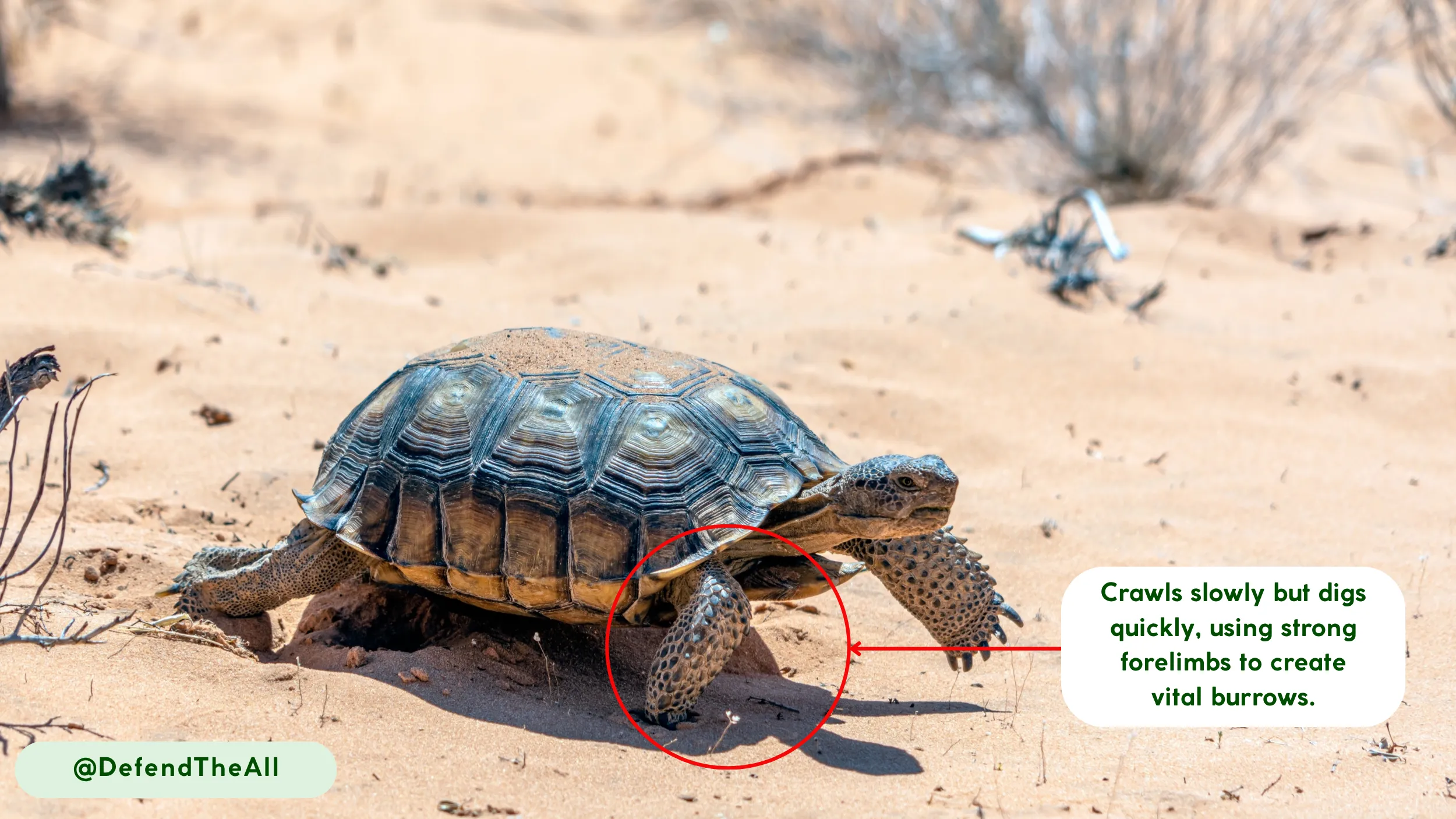
- Specialized Shovel-Like Forelimbs: The tortoise possesses flattened, powerful forelimbs equipped with long, strong claws. These limbs function like shovels, allowing the tortoise to excavate extensive burrows that provide critical shelter from both heat and cold.
- Protective Nictitating Membrane: The eyes of the tortoise are protected by a transparent third eyelid, or nictitating membrane. This membrane sweeps across the eye to clear away dust and sand without obstructing vision.
- Horny Beak and Jaw: The tortoise’s mouth lacks teeth but features a sharp, horny beak. This beak is adapted for clipping and grinding tough, fibrous plants like grasses and cacti that make up its diet.
- Elephantine Hind Limbs: The tortoise’s rear limbs are short and columnar, similar to an elephant’s. This structure provides strong support for the tortoise’s body weight and facilitates movement through loose desert soil.
Sexual dimorphism is evident in adult desert tortoises, though it requires close observation. Males tend to be larger than females and possess a longer tail. A key distinction is the male’s concave plastron, which facilitates mounting during reproduction. Females have a flat plastron and a shorter tail, allowing for greater shell volume to accommodate eggs.
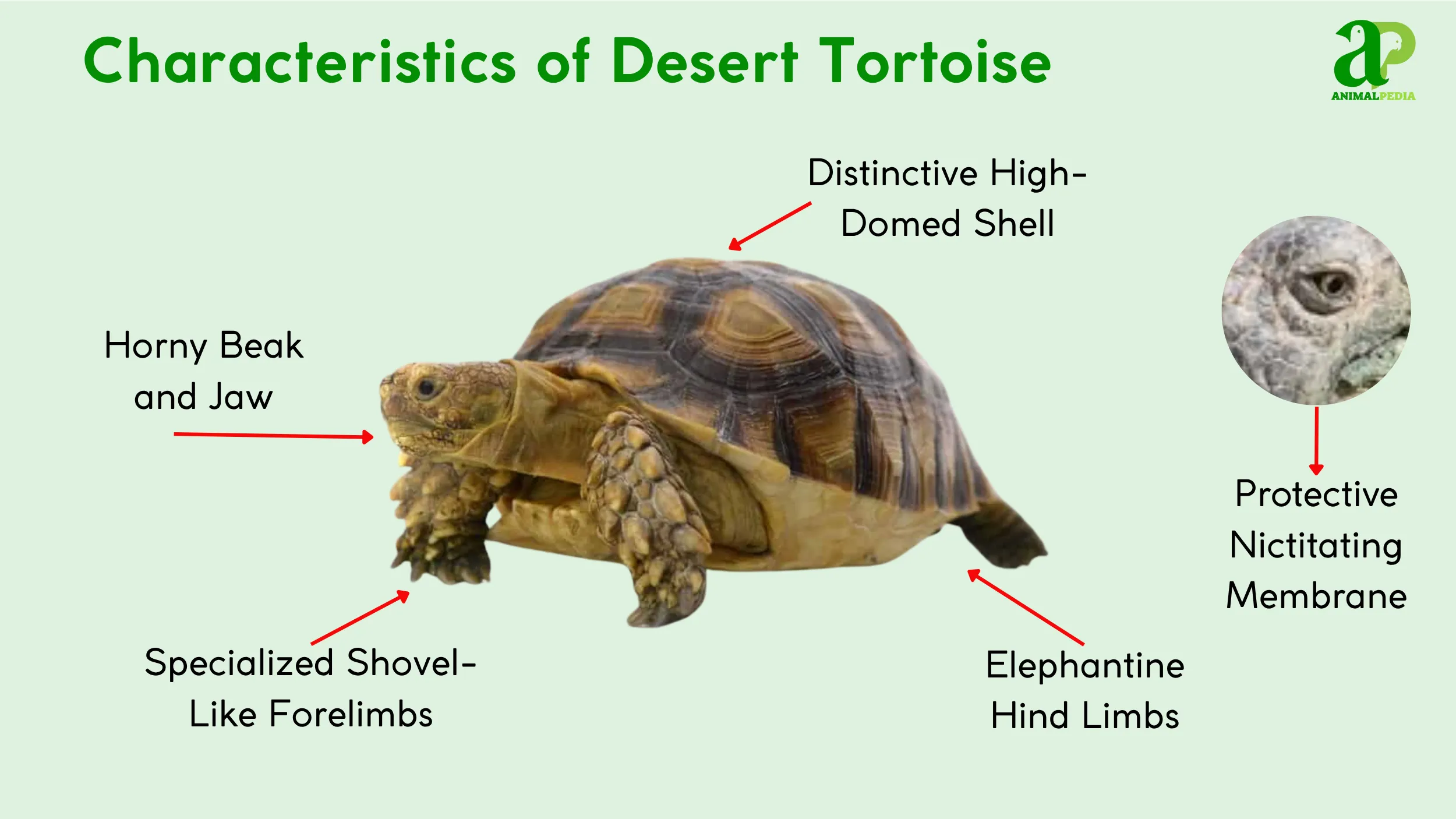
The Desert Tortoise has 5 features that support its life in an arid environment.
How Big Are Desert Tortoises?
Adult desert tortoises typically measure from 9 to 15 inches (23 to 38 cm) long and weigh between 8 to 15 pounds (3.6 to 6.8 kg) [19]. There are discernible differences in size and weight between the sexes.
| Size Metric | Male Tortoise | Female Tortoise |
| Average Length | 10-15 inches (25-38 cm) | 9-13 inches (23-33 cm) |
| Average Weight | 8-15 lbs (3.6-6.8 kg) | 6-12 lbs (2.7-5.4 kg) |
| Record Size | Up to 17 inches (43 cm) | Up to 15 inches (38 cm) |
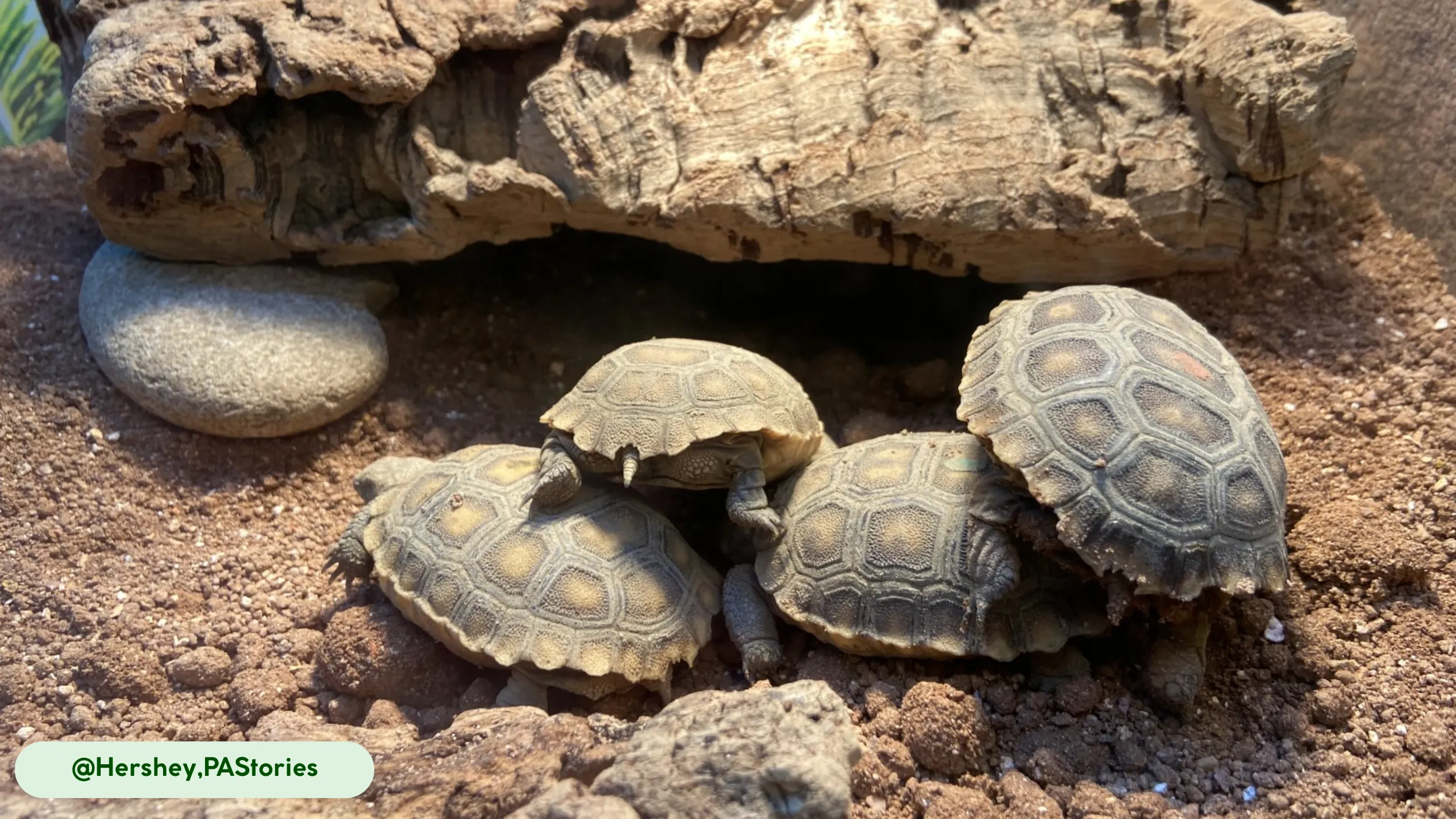
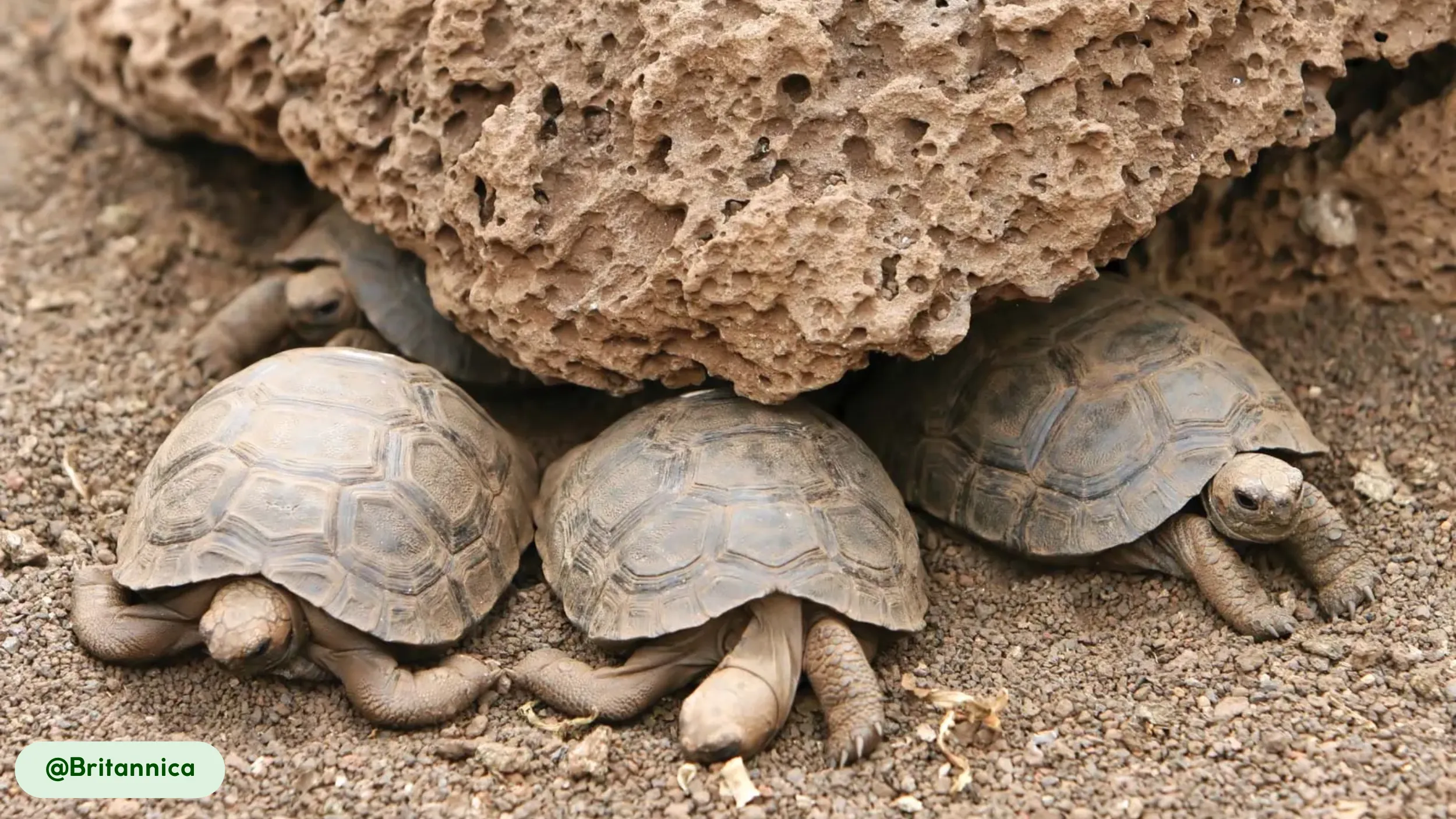
Desert tortoises undergo several growth stages. They begin as small hatchlings, approximately 1.4 inches (3.5 cm) long and weighing less than 1 ounce (28 g). This is comparable in size to a golf ball. Juveniles grow steadily until they reach adult size, which is similar to the size of a dinner plate.
Understanding their size gives us a better sense of their physical presence. Next, we will discover where these unique creatures make their home.
Where Do Desert Tortoises Live?
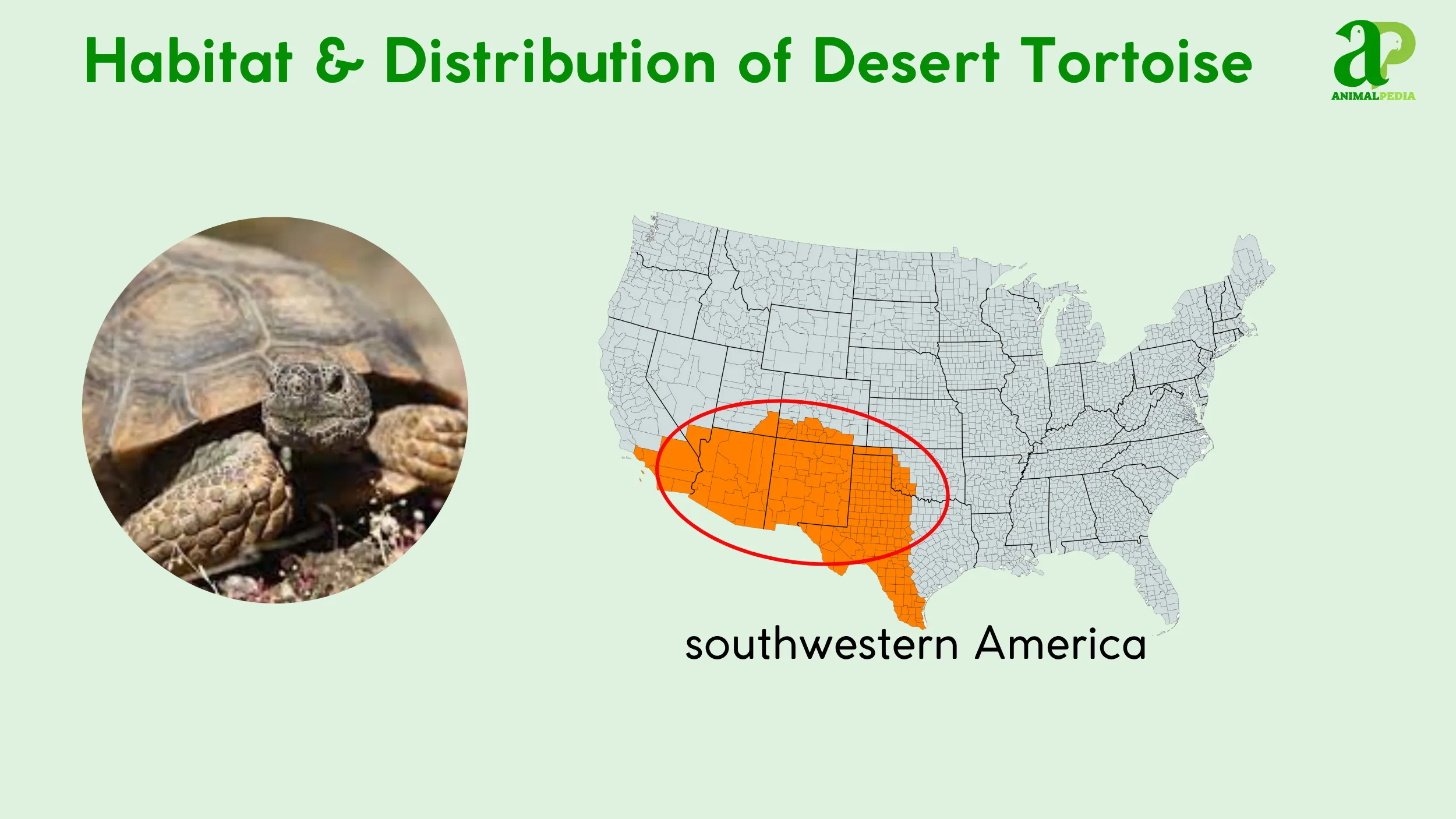
Desert tortoises inhabit the arid and semi-arid regions of the southwestern United States and Mexico. Their native range extends across southeastern California, southern Nevada, and northwestern Arizona, with some populations in southwestern Utah. The species thrives in desert scrub ecosystems, including creosote bush scrub, rocky foothills, and sandy washes. These areas provide the necessary soil for creating burrows and a variety of plants for foraging.
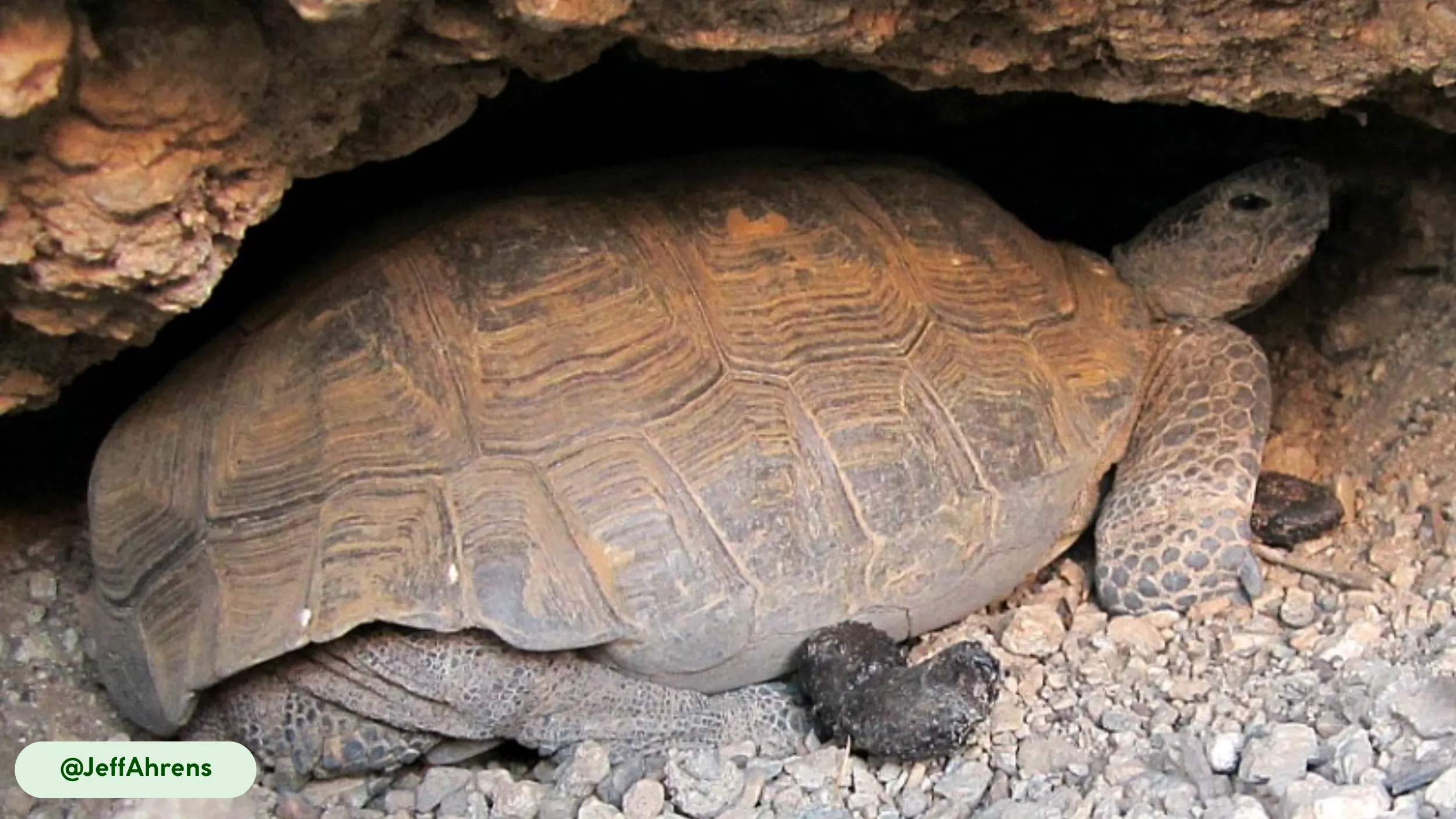
The tortoise’s survival depends on a specific climate. It requires an arid climate receiving less than 10 inches (25 cm) of rainfall per year. These animals maintain a moderate territory, with males often defending areas for mating. Burrows are essential for survival, providing a stable microclimate to protect against temperature fluctuations, from intense summer heat to cold winter lows. The ability to create these deep underground shelters is critical for their persistence.
The home a tortoise builds shapes its daily activities. Let’s delve into the specific behaviors that govern its life.
How Do Desert Tortoises Behave?
Desert tortoises exhibit a set of behaviors designed for survival in extreme environments. They are masters of conservation, meticulously managing energy and water.
- Diet and Feeding: Tortoises are herbivores, consuming a wide variety of desert vegetation that they shear with a horny beak.
- Movement and Abilities: Movement is slow and deliberate, but tortoises possess the powerful ability to dig extensive burrows.
- Daily/Seasonal Patterns: Their activity is highly correlated with temperature and rainfall, avoiding periods of extreme heat and cold.
These fundamental behaviors dictate their interactions with the environment, beginning with their diet.
Diet and Feeding
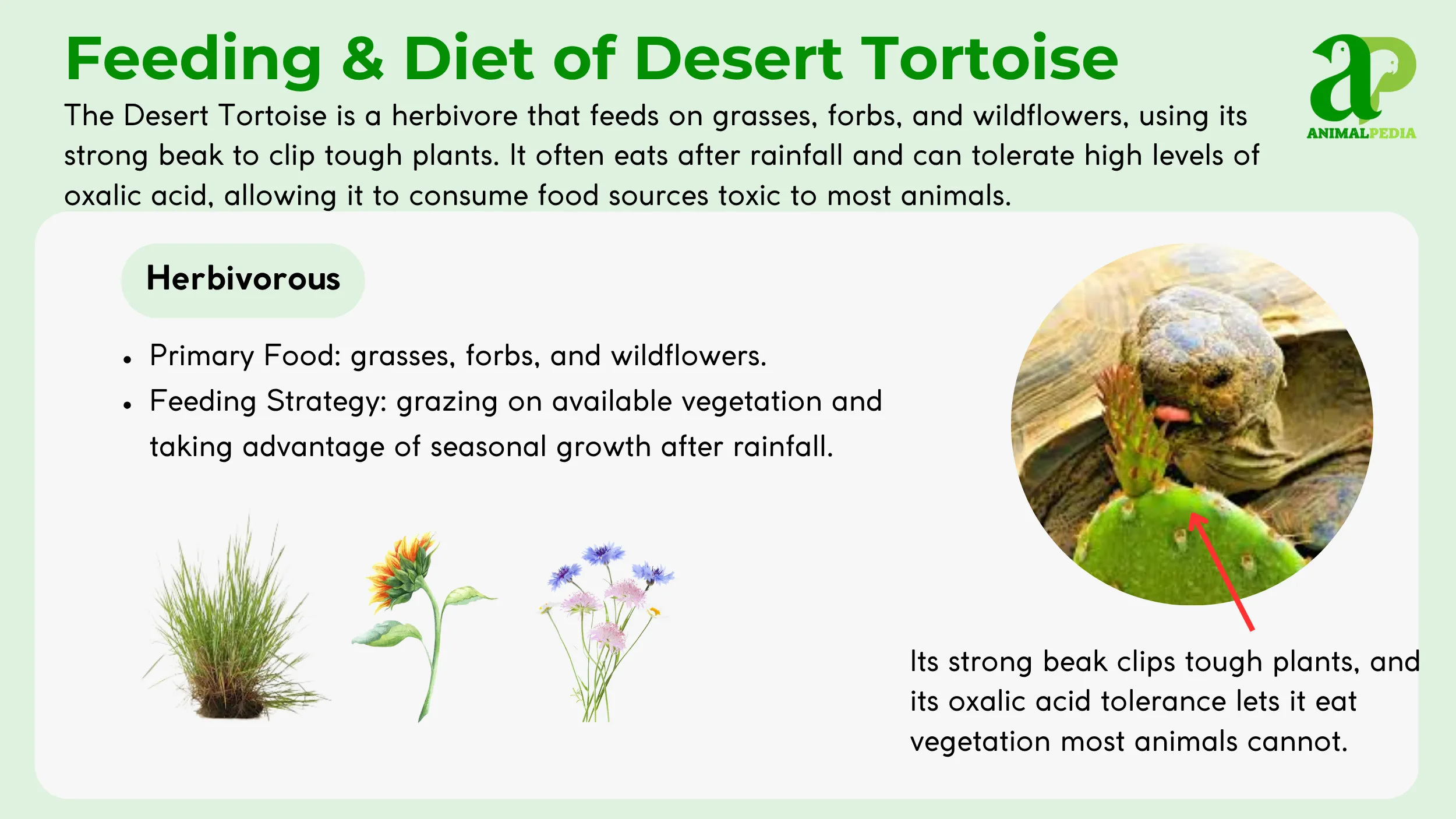
Desert tortoises are herbivores, feeding on a diverse range of annual and perennial plants. Their diet consists of grasses, forbs, and wildflowers. The tortoise’s strong, horny beak is used to clip and consume tough plant matter. Tortoises often eat opportunistically after rainfall, when plants are most abundant. A key adaptation is their ability to consume plants containing high concentrations of oxalic acid, which would be toxic to most other animals. This allows them to utilize a wider variety of food sources.
Movement and Abilities
Desert tortoises move with a slow, deliberate walk but are capable of rapid burrowing. Their movement is a methodical crawl, propelled by their sturdy, columnar hind limbs and powerful forelimbs. This motion, while slow, is energy-efficient for navigating desert terrain. A tortoise can run at speeds up to 0.4 mph (0.6 km/h).
This speed, though not fast to a human, is significant for short distances and provides an escape from immediate threats. Their most significant physical capability is their unparalleled ability to burrow. The forelimbs, specifically shaped for excavation, allow them to create extensive underground shelters that are vital for survival. These burrows provide a refuge from heat, cold, and predators.
Daily/Seasonal Patterns
Desert tortoises are diurnal but exhibit a crepuscular activity pattern, being most active during the cooler parts of the day. Their daily cycle shifts to avoid extreme temperatures. In spring and fall, they are active during the morning and late afternoon. In the summer, activity is limited to cooler periods at dawn and dusk. The tortoise’s seasonal activity is also highly dependent on climate conditions. They are most active during the spring and early summer after seasonal rains, when vegetation is plentiful .
During the hottest parts of summer and the coldest periods of winter, tortoises seek refuge in their burrows. This state of torpor, known as estivation in the summer and brumation in the winter, allows them to conserve energy and water. Desert tortoises are non-migratory animals, within a small home range for their entire lives. They typically use a series of burrows within this territory, often occupying the same burrows for decades.
The ability to survive is not just about daily habits but also about how the species continues through generations. Next, we will explore the desert tortoise’s reproductive cycle.
How Do Desert Tortoises Reproduce?
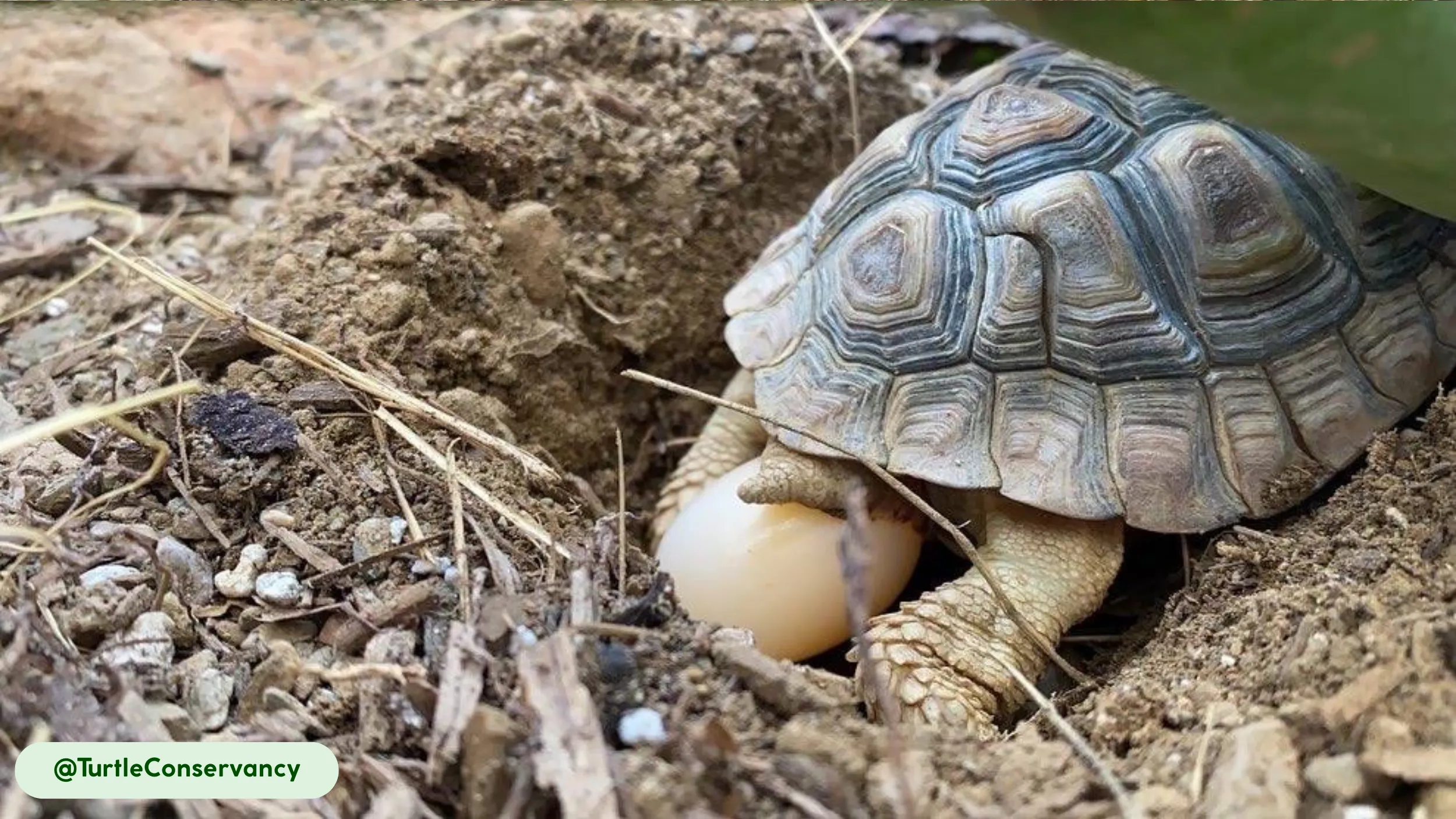
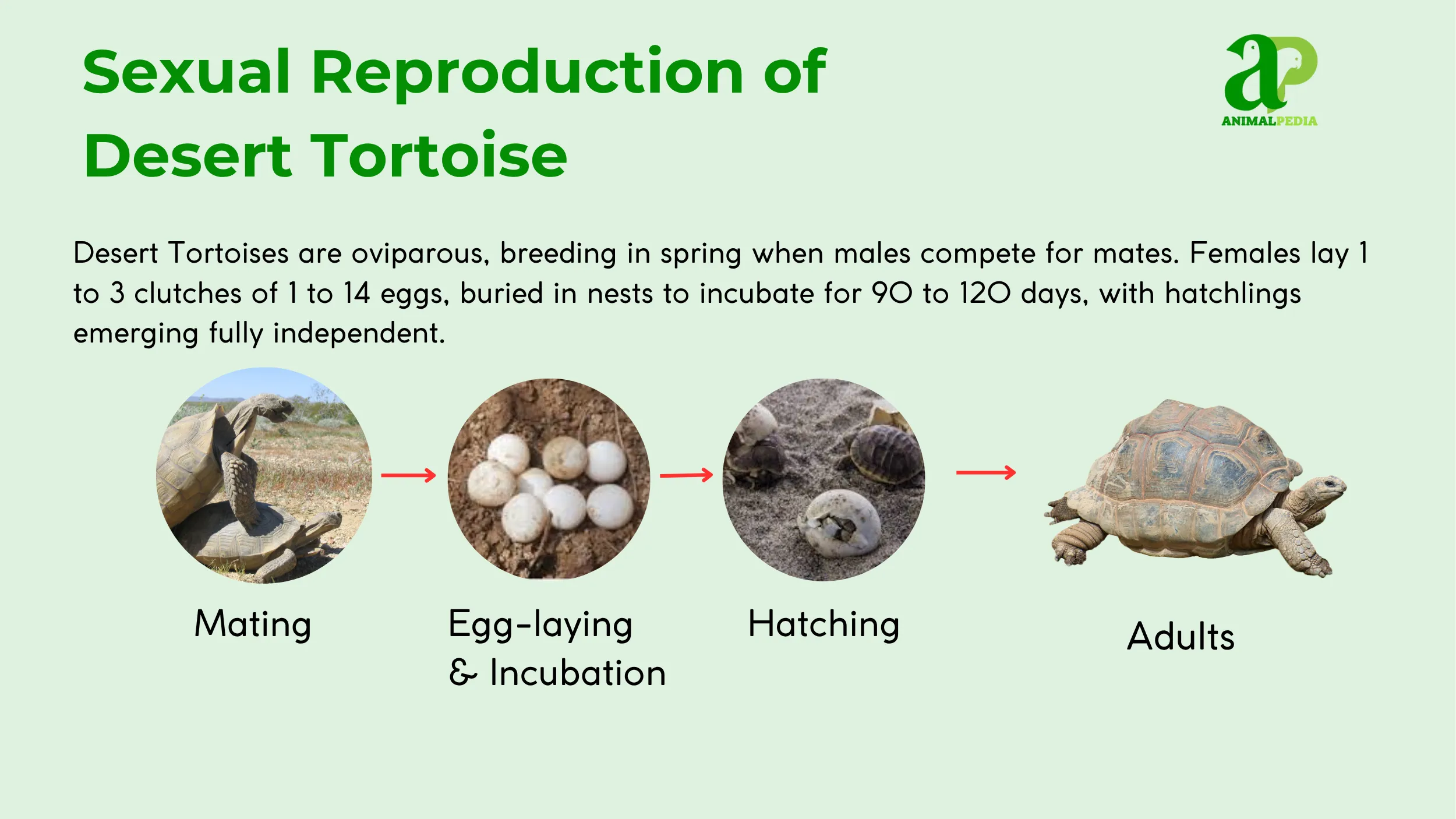
Desert tortoises are oviparous animals, meaning they lay eggs. Reproduction typically occurs in the spring, triggered by rising temperatures and rainfall. Courtship involves males engaging in aggressive behavior, including head-butting and ramming, to establish dominance and gain access to females. This is often followed by a complex ritual where the male circles the female before mounting.
A female may lay multiple clutches, typically 1 to 3, each containing 1 to 14 eggs. The eggs are buried in a nesting cavity dug by the female, and incubation can last from 90 to 120 days depending on soil temperature. Desert tortoises provide no parental care; once the eggs are laid and buried, the hatchlings must survive on their own.
A long life is a crucial factor in the survival of a species with a difficult start in life. Let’s look at the impressive lifespan of the desert tortoise.
How Long Do Desert Tortoises Live?
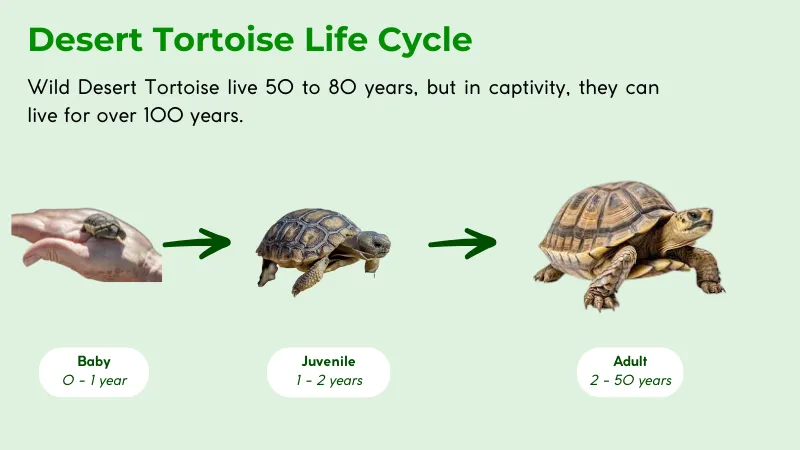
Desert tortoises have a long lifespan, living an average of 50 to 80 years in the wild. Their slow-maturing nature contributes to this longevity, as they typically reach reproductive maturity between 15 and 20 years of age. The lifespan of a tortoise is influenced by many factors, including habitat quality, food availability, and predation rates. In captivity, these animals can live for over 100 years due to consistent access to food, water, and protection from predators and disease.
The life of a tortoise impacts more than just itself. Next, we will see how these reptiles are beneficial to their environment and humans.
Are Desert Tortoises Beneficial to Humans?
Desert tortoises are highly beneficial to humans, serving as a vital keystone species within their ecosystem . Their deep burrows, a significant physical adaptation, provide essential shelter for over 40 other animal species, including burrowing owls and ground squirrels, contributing to biodiversity.
By consuming and dispersing seeds, tortoises play a crucial role in shaping plant communities and maintaining the health of the desert flora. Beyond their ecological function, the desert tortoise holds significant cultural value for many Native American tribes. For some, they represent resilience and longevity.
Beyond their ecological benefits, the tortoise’s status as a vulnerable species brings up important questions about its survival. Our next section will explore its conservation status.
Are Desert Tortoises Endangered?
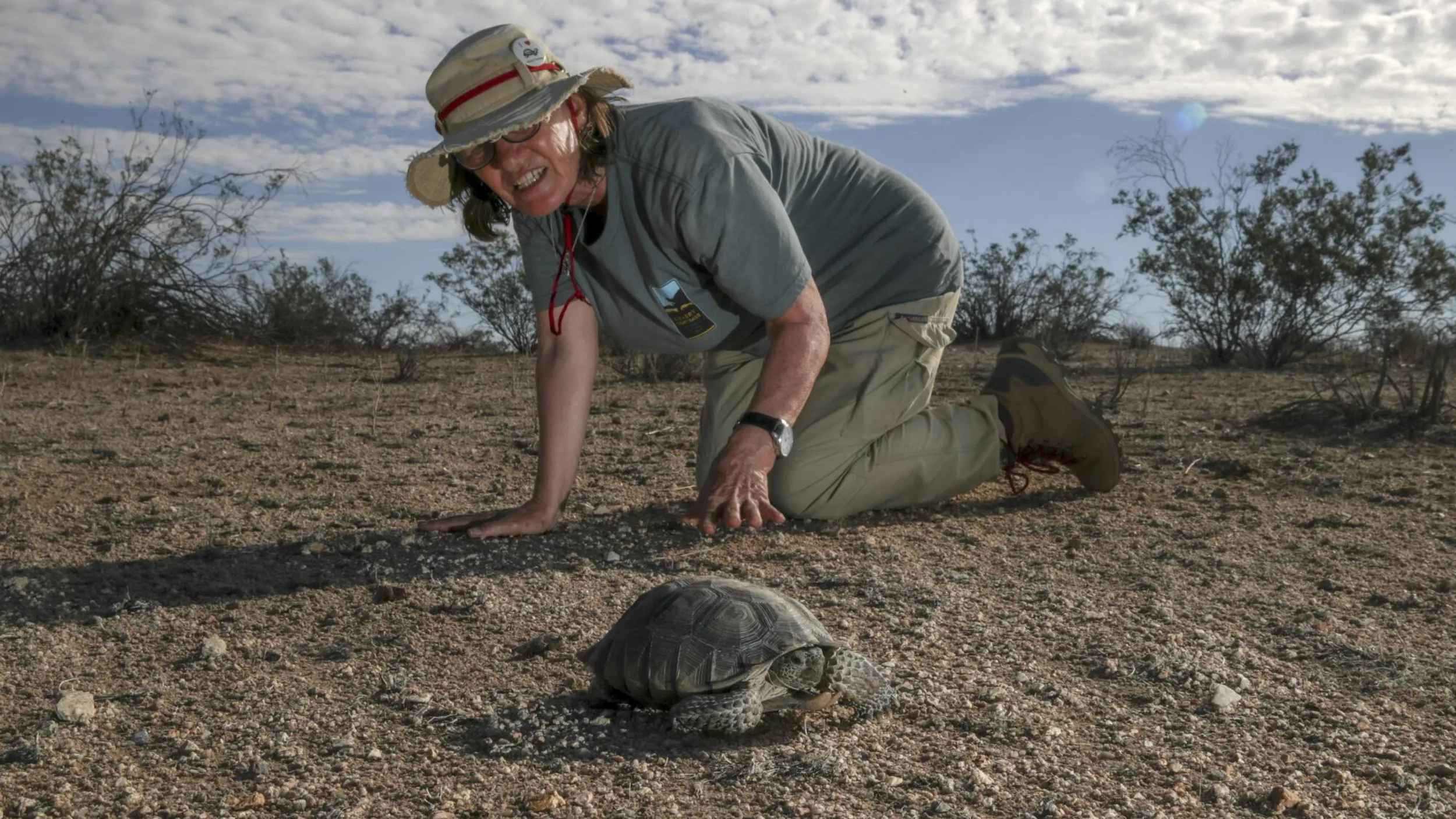
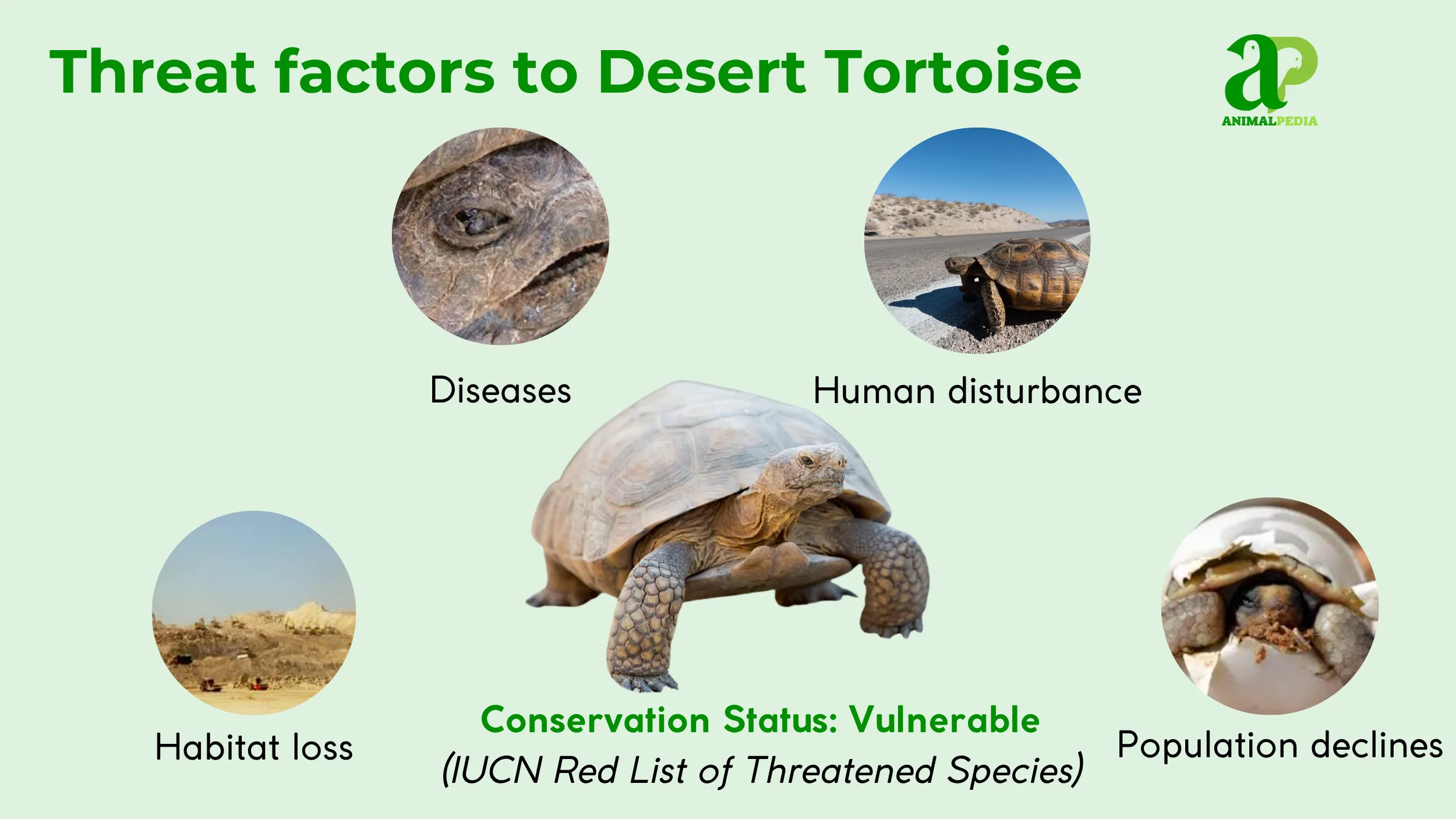
The desert tortoise is classified as Vulnerable on the IUCN Red List. The species faces threats from habitat loss due to urban development and agricultural expansion. Other threats include disease, such as upper respiratory tract disease, which has caused significant population declines.
These reptiles are ecologically important as keystone species, with their burrowing activity helping to maintain the desert ecosystem for many other animals. Humans can help with conservation efforts by staying on designated roads and trails, avoiding interaction with wild tortoises, and supporting organizations that work to protect their habitats.
A deep understanding of their conservation status leads to a deeper appreciation for their unique characteristics. The next section explores some of the most surprising facts about them.
Frequently Asked Questions About Desert Tortoises
Who Eats Desert Tortoises?
Predators of desert tortoises include coyotes, bobcats, and badgers. Ravens are a major threat to juvenile tortoises and eggs, as their hard beaks can break open a hatchling’s shell. The tortoise’s hard shell is its main defense against these predators.
Do Desert Tortoises Like Being Petted?
No, desert tortoises do not like being petted. Handling them causes a stress response, which can lead them to void their bladder. In the desert, losing this stored water is life-threatening for survival. It is best to avoid touching wild tortoises.
Does A Desert Tortoise Bite Hurt?
Yes, a desert tortoise bite can be painful. They possess a sharp, horny beak that can exert significant force, used for cutting tough plant material. While not aggressive, they will bite as a defensive measure if they feel threatened.
How Intelligent Are Desert Tortoises?
Desert tortoises exhibit a basic level of intelligence, primarily spatial memory. They are able to create and remember complex burrow systems and food locations. Their survival depends on this cognitive ability.
The desert tortoise is a master of survival, an enduring symbol of resilience in the face of environmental extremes. From its specialized morphology to its complex burrowing habits, every aspect of this animal’s biology is finely tuned to its arid habitat. Its existence is vital to the health of the desert ecosystem.
At Animal Pedia, our mission is to provide you with comprehensive knowledge about the world’s most fascinating creatures. We encourage you to explore our website to discover more about other reptiles and the rich biodiversity they represent.