
Eastern Box Turtles (Terrapene carolina carolina) are a subspecies of land turtle recognized for their domed shell and unique hinged plastron, which allows them to fully enclose their body for defense [10]. These reptiles are native to the eastern and southern United States, inhabiting diverse environments such as deciduous forests, savannas, and grasslands [7]. With an average carapace length of 4.5–8 inches (11.5–20 cm) and a weight of 0.5–2 lbs (0.23–0.9 kg), these turtles have a slow, terrestrial movement [10]. Their omnivorous diet includes a balanced mix of animal matter, such as insects and earthworms, and plant matter, like berries and fungi [10]. While not migratory, they display seasonal patterns, hibernating in winter to endure cold temperatures [7]. The Eastern Box Turtle is currently listed as Vulnerable by the IUCN, facing threats from habitat loss and the illegal pet trade [4].
This guide provides a detailed overview of the Eastern Box Turtle’s characteristics, from its physical features and ecological role to its conservation status and fascinating behaviors. Readers will learn about its taxonomy, feeding habits, and why it holds a significant place in its native ecosystems. The information provided here offers a comprehensive look at the species, supported by recent scientific findings to ensure accuracy.

What Are Eastern Box Turtles?
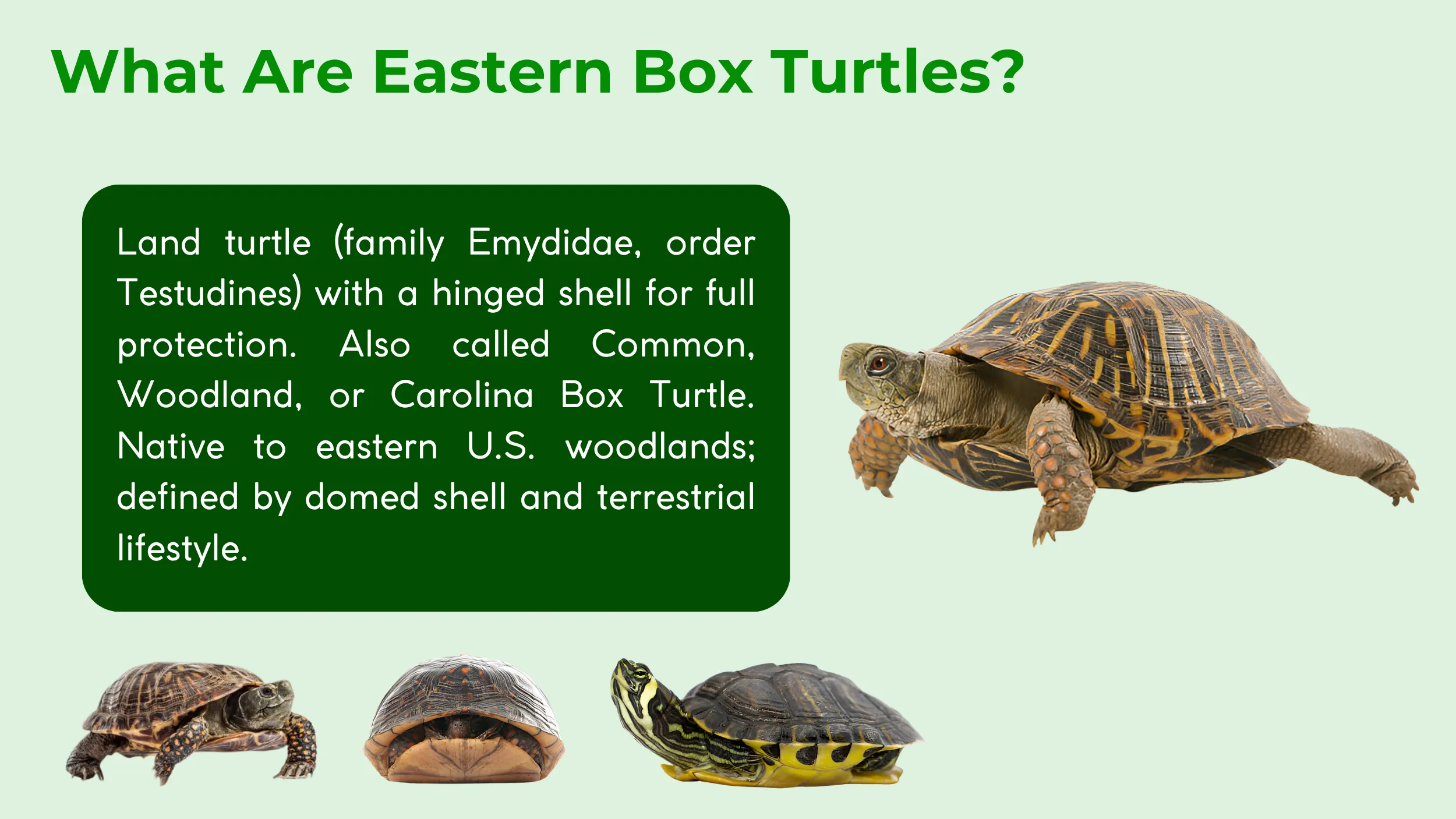
Eastern Box Turtles are a land turtle subspecies that live in the eastern United States, distinguished by their ability to seal their shell using a hinged lower section [10]. This reptile belongs to the family Emydidae, a group that includes pond and box turtles, within the order Testudines, which contains all turtles. Its full scientific classification places it within the class Reptilia, the phylum Chordata, and the kingdom Animalia. The species is also known by alternative names, including the Common Box Turtle, Woodland Box Turtle, and Carolina Box Turtle, which reflect its widespread presence and preferred habitat [6]. The genus name, Terrapene, originates from an Algonquian word for turtle, while the species name, carolina, references its discovery and prevalence in the Carolinas [10].
There is some debate about the subspecies classification within Terrapene carolina. Some researchers believe that the genetic variation between populations is not enough to justify distinct subspecies, suggesting a single species with geographical variations. Other scientists argue that morphological and geographical differences support the current classification [10]. Despite these differing viewpoints, the species is known for its terrestrial nature and its primary habitat in woodlands [6]. This turtle’s physical attributes, particularly its unique shell, define its identity.
What Do Eastern Box Turtles Look Like?
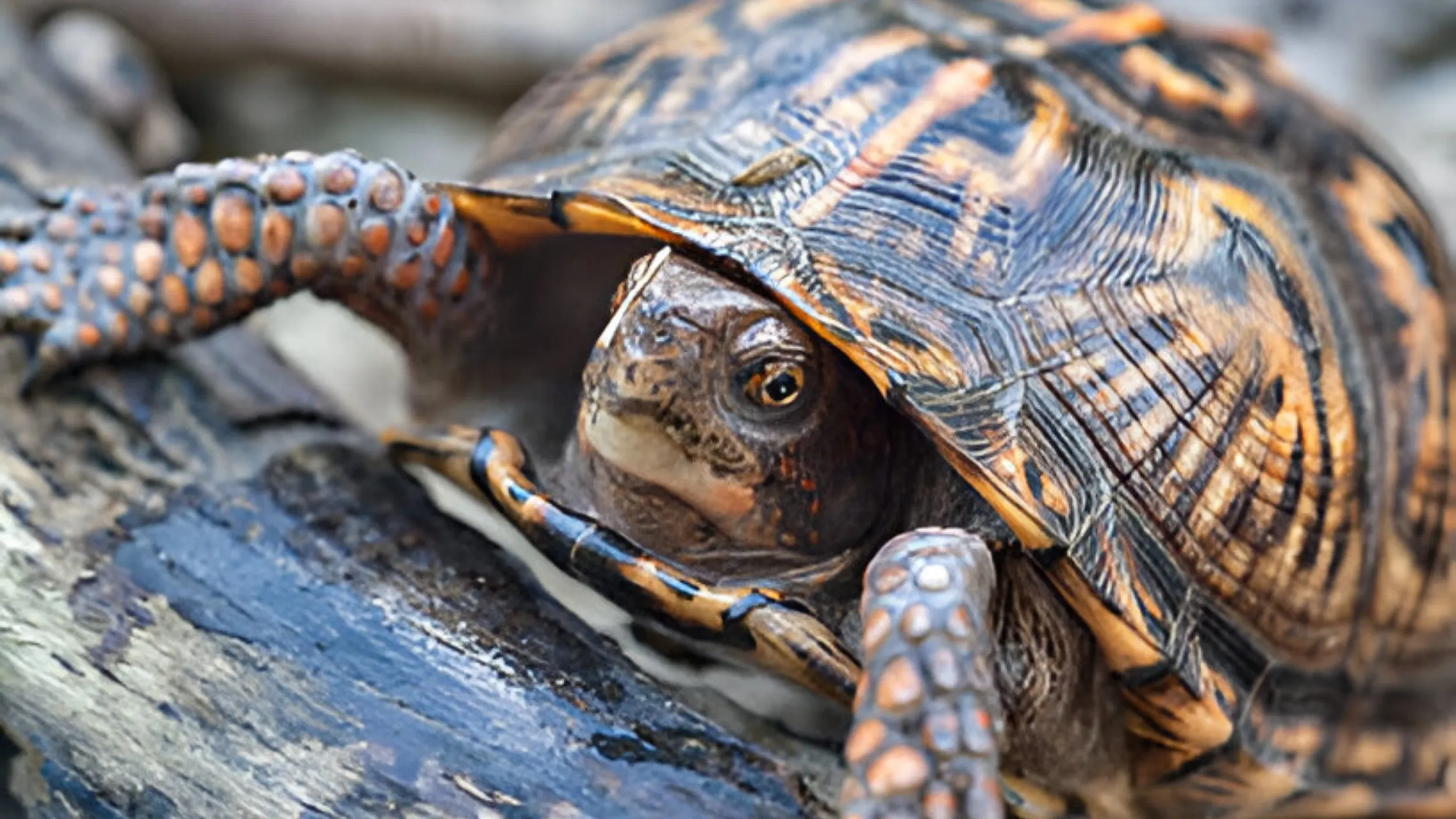
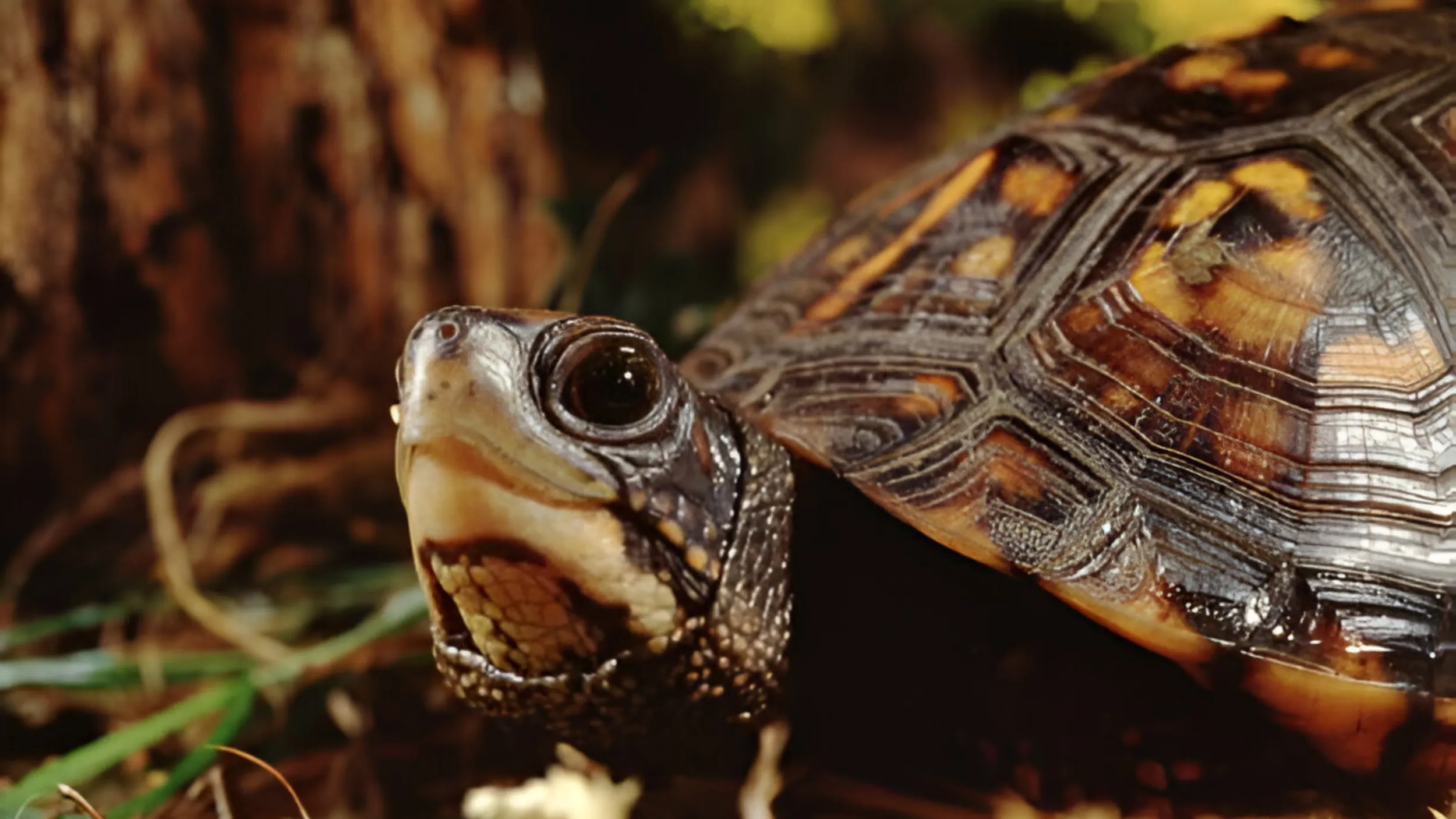
Eastern Box Turtles possess a compact, dome-shaped body with a high, arched carapace that is typically brown or black, adorned with irregular yellow, orange, or white streaks or spots [10]. Their skin is dark, featuring similar yellow or orange markings on the head, neck, and limbs. This coloration provides effective camouflage against leaf litter and forest floors [7]. The plastron, or lower shell, is a solid color, often brown, with a prominent hinge. Their unique physical structure gives them a distinct appearance, defined by a hard, bony shell and scaly skin [7][10].
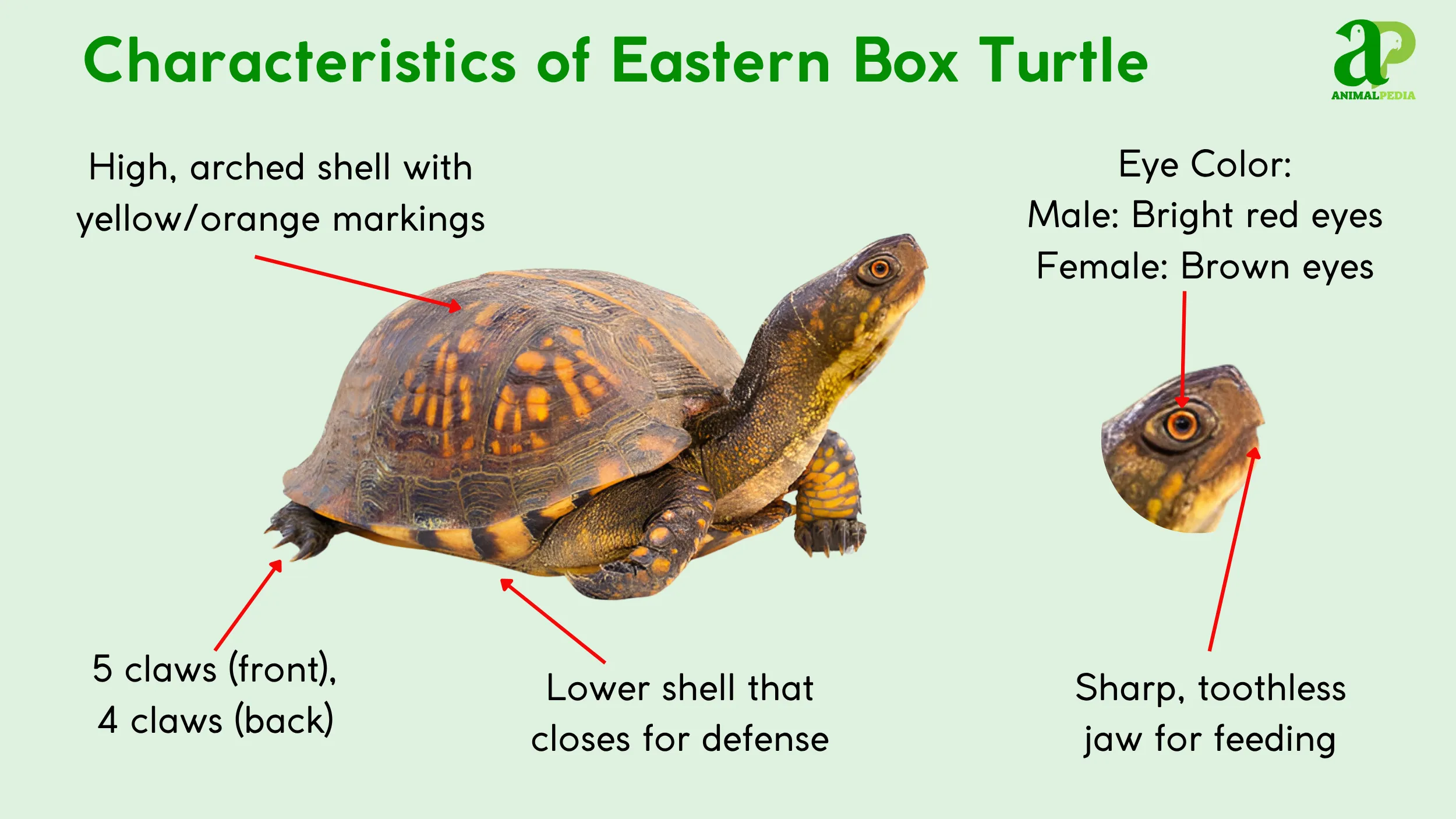
The species has several distinctive features that allow for easy identification. These physical traits include their domed carapace, hinged plastron, beak-like mouth, and uniquely colored irises in males and females. The carapace patterns are as unique as fingerprints, which allows researchers to identify individuals for population studies [10].
- Domed Carapace: The high, arched shape of the upper shell is a primary feature, distinguishing it from flatter aquatic turtles. This bony structure provides robust protection against predators [10].
- Hinged Plastron: The lower shell is divided into two sections connected by a hinge. This allows the turtle to retract its head, limbs, and tail completely into the shell and close the hinged section, forming a secure, box-like defense [10].
- Beak-like Mouth: Lacking teeth, the turtle’s jaw is a hard, beak-like structure. This is designed for tearing and grinding a mixed diet of soft vegetation, fungi, and small prey [10].
- Clawed Limbs: Their four short, sturdy legs have clawed toes, with five on the front feet and four on the back. These limbs are adapted for terrestrial movement and for digging shallow burrows for hibernation [7].
- Distinctive Eye Color: A subtle yet reliable indicator of sex, males typically have bright red irises, while females possess brown or reddish-brown eyes [10].
Sexual dimorphism is evident in the physical appearance of Eastern Box Turtles. Males often have a concave plastron, which aids in mating, while females have a flat plastron. Male turtles tend to exhibit brighter coloration on their shells and skin and have thicker tails [10]. Conversely, females are generally larger and have a duller coloration [10]. Hatchlings and juveniles have a flatter carapace that becomes more domed as they age and the bony structure hardens [7].
The physical traits of the Eastern Box Turtle are not static. Their size and weight change throughout their life, and these measurements help distinguish between sexes and life stages.
How Big Are Eastern Box Turtles?
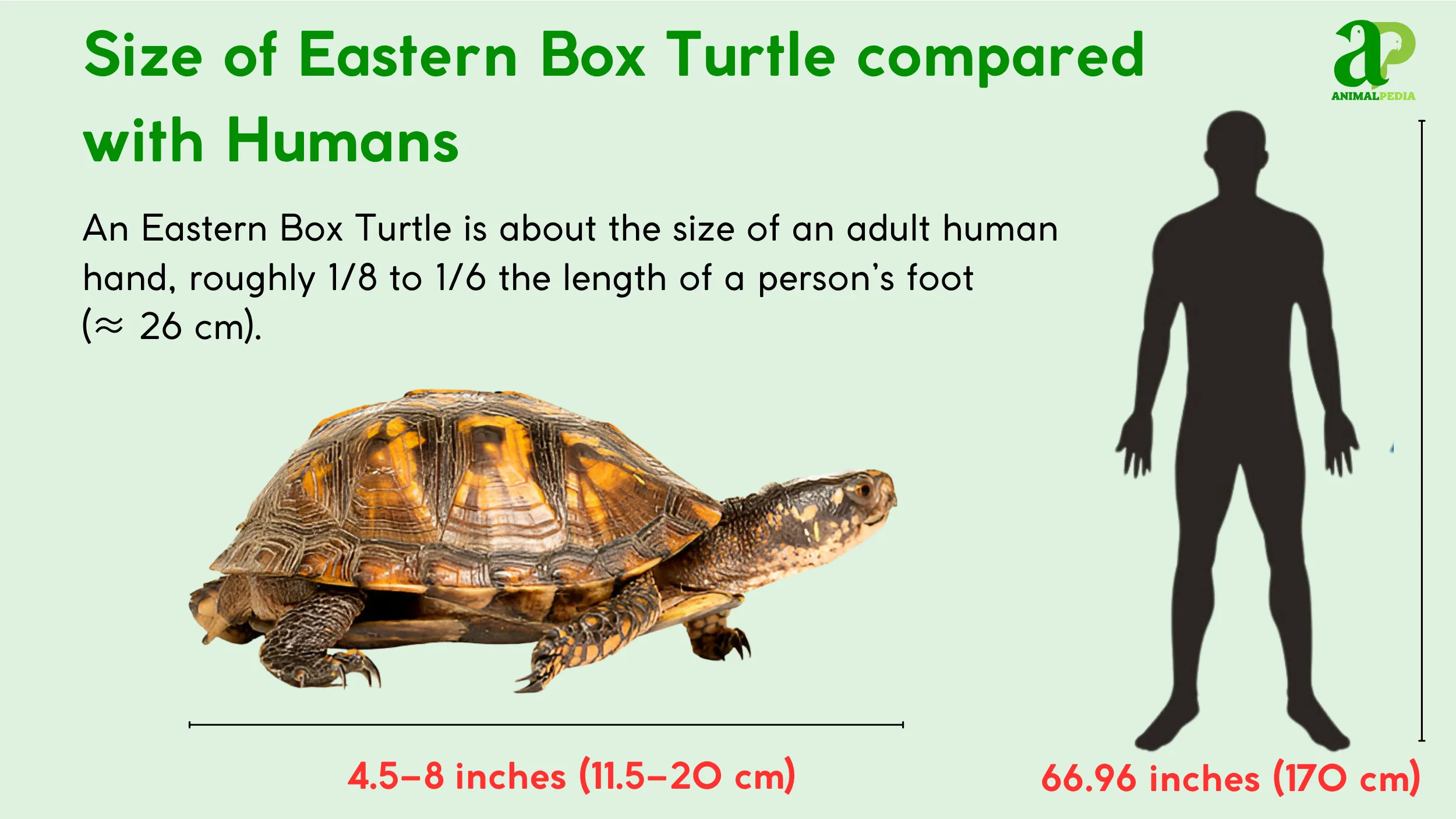
Eastern Box Turtles are a compact species. Adult turtles have an average carapace length of 4.5–8 inches (11.5–20 cm) and weigh between 0.5–2 lbs (0.23–0.9 kg) [10].
Sexual dimorphism affects their size and weight. Males are often slightly smaller than females.
|
Characteristic |
Males | Females |
| Length | 4.5–7.5 inches (11.5–19 cm) | 5–8 inches (12.5–20 cm) |
| Weight | 0.5–1.8 lbs (0.23–0.8 kg) | 0.6–2 lbs (0.27–0.9 kg) |
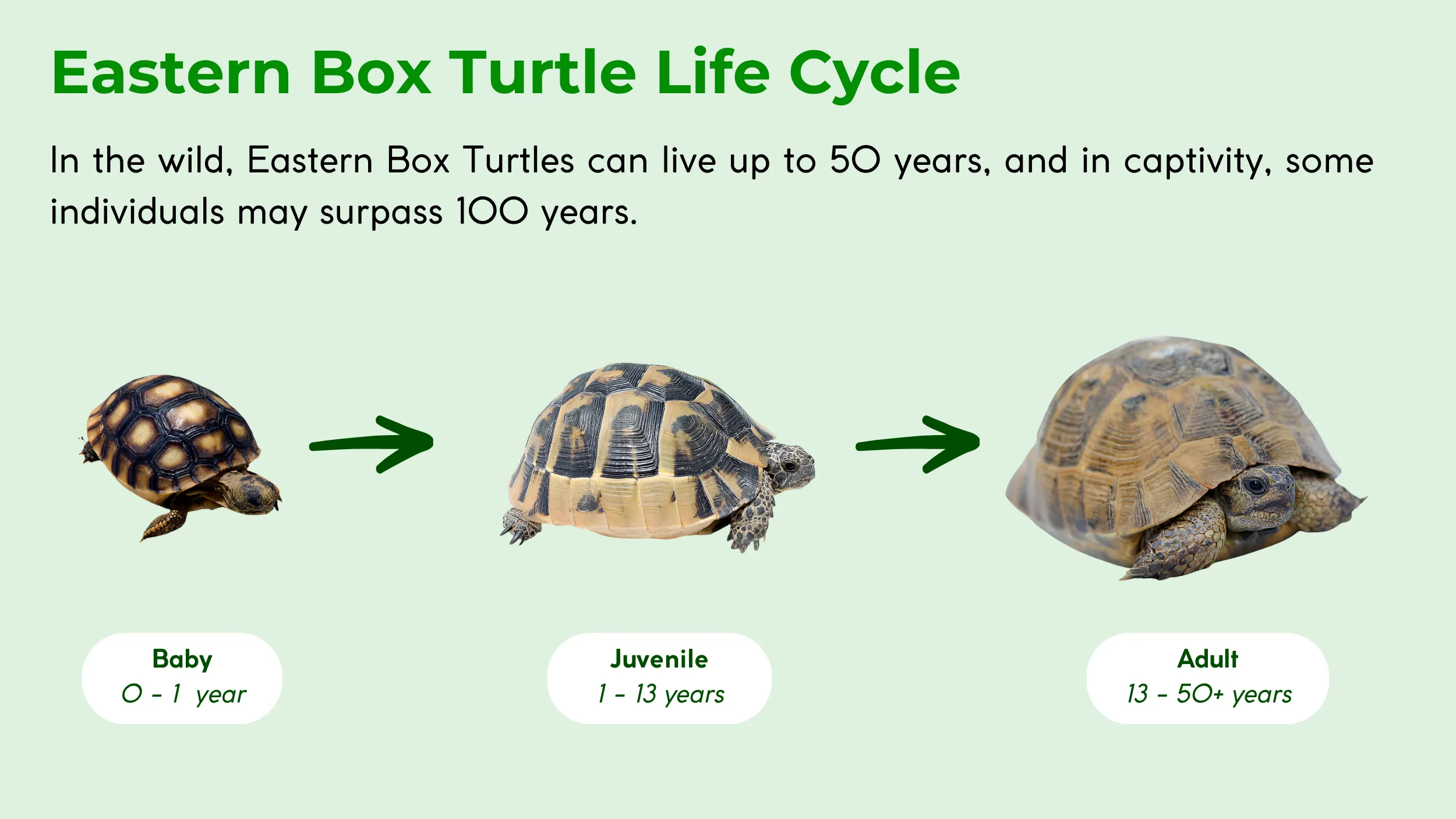
The size of the turtle is directly related to its life stage. Hatchlings start at a diminutive 1–1.5 inches (2.5–3.8 cm) in length, with a body weight of approximately 0.02–0.03 lbs (8–15 g) [7]. Juveniles grow to 2–4 inches (5–10 cm) and weigh 0.1–0.5 lbs (50–230 g), reaching sexual maturity at around 10–13 years of age [10].
The compact size of these turtles makes them well-suited for their terrestrial habitat. Their preferred environment plays a significant role in their daily lives and seasonal patterns.
Where Do Eastern Box Turtles Live?
Eastern Box Turtles live in a range of environments across the eastern and southern United States, from Maine down to Florida and west to Michigan, Kansas, Oklahoma, and Texas [10]. They are considered extirpated from Canada, with some isolated populations found in Mexico [10]. These reptiles prefer temperate climates with temperatures ranging from 68–88°F (20–31°C) and moderate humidity, which they maintain by seeking shelter in moist soil or under leaf litter [7].

Their ideal habitats include deciduous forests, pine-hardwood forests, and longleaf pine savannas. They also live in early successional areas such as old fields or powerline corridors, as well as grasslands and swamps [3][7]. A study found that they prefer forested areas with at least 61% canopy cover and avoid urban or agricultural areas due to poor thermal quality [3]. While not highly territorial, Eastern Box Turtles have a small home range, averaging 10.33 hectares, to which they exhibit strong fidelity, returning to the same hibernation sites annually [3].
The specific habitats of Eastern Box Turtles directly influence their behaviors. Their daily actions, from foraging to resting, are a response to their environment and its seasonal changes.
How Do Eastern Box Turtles Behave?
Eastern Box Turtles exhibit a variety of complex behaviors related to survival, foraging, and seasonal adaptation. Their actions are driven by environmental conditions. These turtles are primarily solitary and spend their days searching for food or suitable shelter [3].
- Diet and Feeding: They are omnivores with a diverse diet of plants and animals, foraging slowly across the forest floor.
- Movement and Abilities: These turtles are slow terrestrial walkers but can dig and navigate their small home ranges effectively.
- Daily/Seasonal Patterns: Their activity is dependent on temperature, with daily cycles and seasonal hibernation for survival.
To understand these behaviors in detail, let’s look at each aspect.
Diet and Feeding
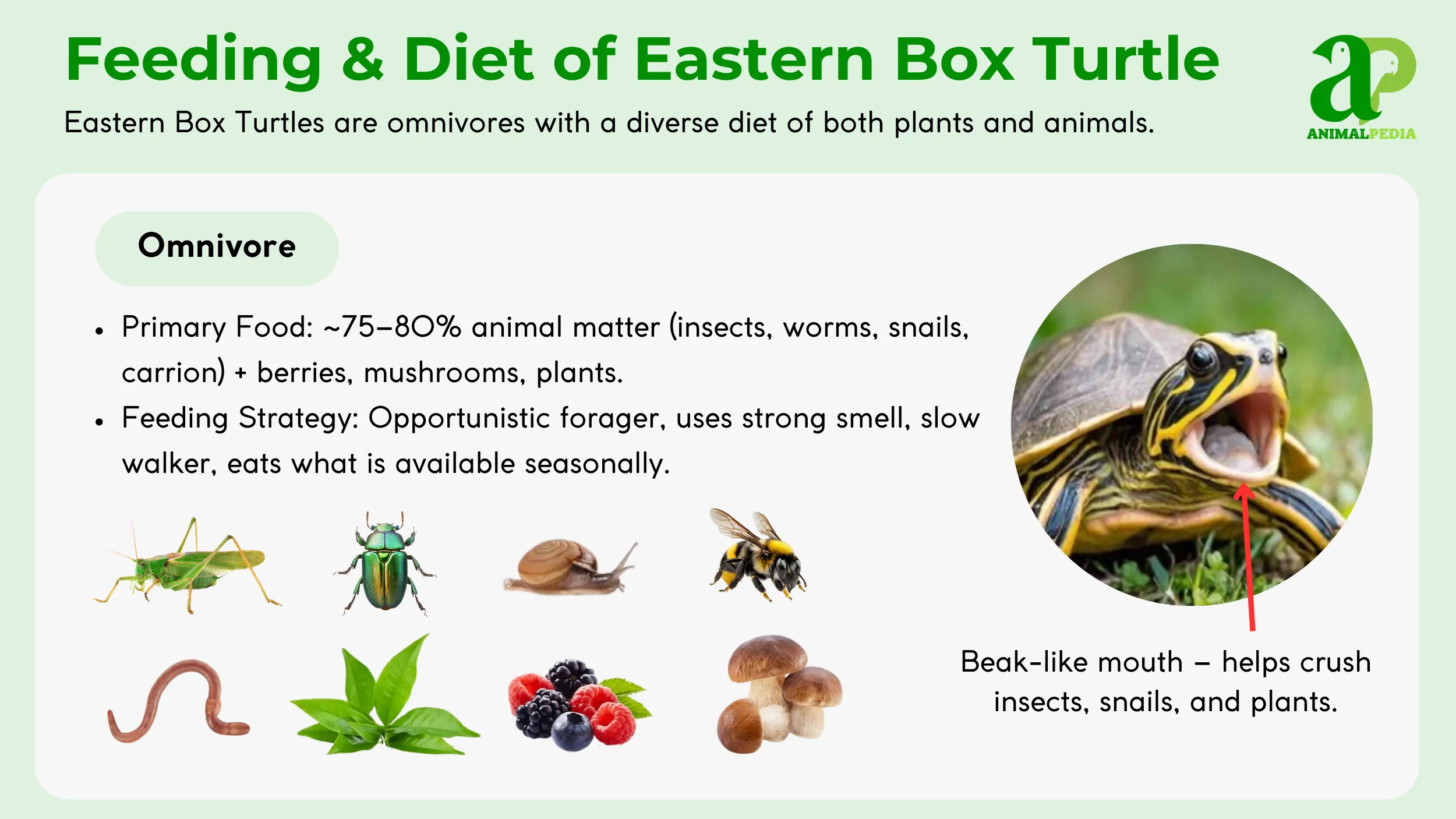
Eastern Box Turtles are omnivores classified as opportunistic foragers that consume a wide range of plant and animal matter [12]. Their diet includes insects, slugs, snails, earthworms, and carrion, as well as berries, mushrooms, and various plants [12]. A study found that animal matter accounts for approximately 75-80% of their diet [12]. They use their keen sense of smell to locate food. Their slow pace and beak-like mouth enable them to consume prey and vegetation found on the forest floor [12]. They feed throughout the day, and their feeding habits change with the seasons, consuming more protein in the spring for growth and reproduction [12].
Movement and Abilities
Eastern Box Turtles move by walking on land, with limited swimming and climbing abilities [2].
- Walking: Their primary mode of transport is a slow, methodical walk using their strong, clawed legs to navigate uneven terrain [2].
- Swimming: While capable of swimming, they are not aquatic and rarely enter water. They can navigate shallow streams or ponds [2].
- Climbing: They can climb over small obstacles, such as logs and rocks, using their sturdy limbs [2].
This turtle is one of the slowest land animals, with a top speed of less than 0.25 miles per hour (0.4 km/h) [2]. Their primary special ability is their hinged plastron, which allows them to completely enclose their body, making them impervious to most predators [10]. They also possess a robust sense of smell, which they use to find mates, food, and suitable hibernation sites [10].
Daily/Seasonal Patterns
Eastern Box Turtles are primarily diurnal, active during the day from early morning to late afternoon [7]. They are active only when the weather is warm and humid. Their daily activity cycle is as follows.
- Morning: They emerge from their burrows or shelters to bask in the sun, raising their body temperature.
- Mid-day: They seek out food and water, often in shady, moist areas to avoid overheating.
- Afternoon: They may return to a resting place to avoid the heat of the day.
Their activity peaks during spring and fall, when temperatures are moderate. During the hot summer, they seek shelter in burrows or under leaf litter to avoid overheating [7]. A study found that they exhibit thermoregulatory behavior by moving to areas with more canopy cover to stay cool [7]. Eastern Box Turtles do not migrate. They hibernate to survive winter temperatures [11]. They seek out hibernation sites, often in soft soil or under roots, and may return to the same site annually [11]. Their body temperature drops to near freezing, and they enter a state of torpor [11].
Beyond their daily activities, the Eastern Box Turtle’s life cycle is marked by a distinct set of reproductive behaviors.
How Do Eastern Box Turtles Reproduce?
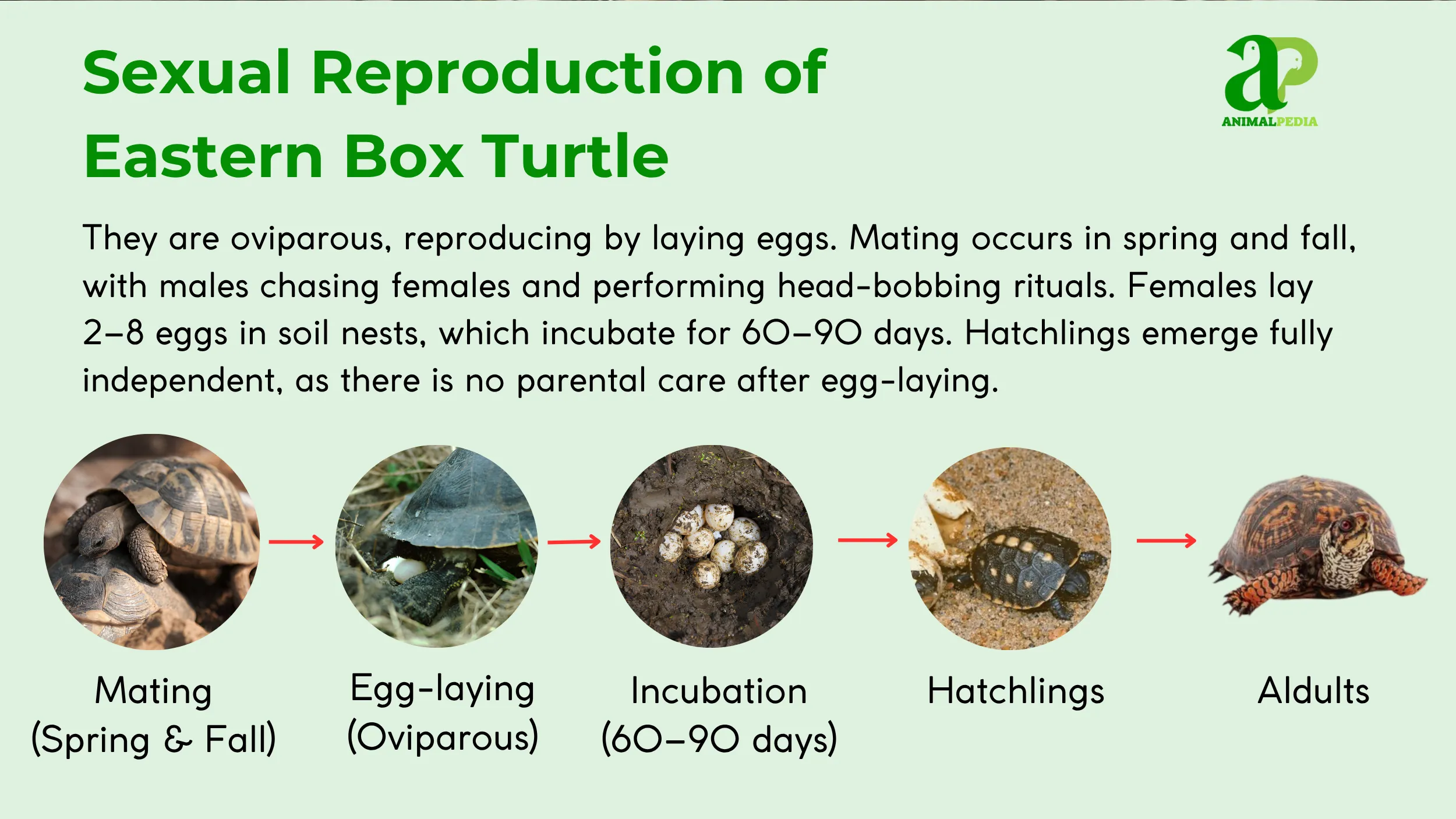
Eastern Box Turtles are oviparous, meaning they reproduce by laying eggs. The mating season occurs in both spring and fall, with males initiating courtship by chasing females and performing a series of head-bobbing rituals. After mating, females can store sperm for several years and may lay eggs from multiple clutches without needing to mate again [10]. A female digs a nest in soft soil, lays a clutch of 2 to 8 eggs, and then covers the nest to conceal it. The incubation period lasts 60 to 90 days, influenced by environmental temperature [1]. This species does not provide any parental care to its young after the eggs are laid and the nest is hidden.
The slow pace of reproduction is a factor in their population dynamics, but their long life is a testament to their resilience. The lifespan of an Eastern Box Turtle is a key indicator of its success in the wild.
How Long Do Eastern Box Turtles Live?
Eastern Box Turtles are a long-lived species, living an average of 50 years in the wild, with some individuals reaching over 100 years in captivity [10]. Their lifespan is influenced by a combination of factors. In the wild, threats such as habitat loss and predation can reduce longevity. They reach sexual maturity between 10 to 13 years of age, and their slow reproductive rate makes them particularly vulnerable to population declines. Factors that can affect their lifespan include diet, the quality of their habitat, and human activity, particularly road mortality [10].
Their long lives allow them to fulfill important ecological roles over many decades. These roles, in turn, provide direct and indirect benefits to the environment and even to human activities.
Are Eastern Box Turtles Beneficial to Humans?
Eastern Box Turtles are beneficial to humans, primarily through their important ecological functions. They play a significant role as pest controllers by consuming a large number of insects, slugs, and snails that can damage gardens and crops [12]. These turtles also serve as important seed dispersers. After eating berries and other fruits, they excrete the seeds at a new location, helping to spread plant species and maintain forest diversity. The Eastern Box Turtle’s presence indicates a healthy, functioning ecosystem. Their role in pest control and seed dispersal directly contributes to the health of the local environment.
Despite their positive impact, the species faces serious challenges. The very factors that make them beneficial are threatened by environmental changes, which directly impact their conservation status.
Are Eastern Box Turtles Endangered?
Eastern Box Turtles are not officially endangered, but their conservation status is classified as Vulnerable by the IUCN Red List [4]. This designation reflects a declining population across their range due to several key threats. The primary threats to their survival are habitat destruction and fragmentation, which isolate populations and limit their ability to find food and mates [1]. Road mortality is also a significant factor, as turtles crossing roads are often hit by vehicles [5]. The illegal pet trade contributes to their decline, as individuals are collected from the wild [1]. Protecting their habitats and reducing road mortality are critical for their survival.
The conservation status of the Eastern Box Turtle is a serious matter, but their story is filled with remarkable details that go beyond survival. This species possesses a variety of unique abilities and surprising facts that highlight its adaptability.
The Eastern Box Turtle is listed as Vulnerable by the IUCN, facing threats from habitat loss, road mortality, and the illegal pet trade.
Fascinating Facts About Eastern Box Turtles
Remarkable Resilience: Eastern Box Turtles possess a remarkable ability to recover from severe shell injuries [8]. Their shells are a living part of their anatomy, composed of bone and tissue, and can slowly regenerate over many years to repair damage from predators or accidents [8].
Their shells can slowly regenerate, healing even severe injuries over time.
Exceptional Longevity: These reptiles are known for their long lifespans, with some individuals living for over a century [8]. One well-documented Eastern Box Turtle, known as “Timothy,” was believed to have lived to be at least 138 years old, a testament to the species’ durability [8].
These turtles can live for over a century, with records of individuals reaching 138 years.
Toxin Tolerance: A unique adaptation allows Eastern Box Turtles to consume certain toxic fungi, like the Death Cap mushroom, without harm [9]. The toxins are sequestered in their bodies, making the turtle’s flesh poisonous to potential predators [9].
They safely eat toxic fungi like Death Cap mushrooms, making their flesh poisonous to predators.
Precision Navigation: Eastern Box Turtles have an exceptional homing instinct, which allows them to navigate vast territories and return to their specific home range if relocated [10]. Moving these animals more than a few hundred feet from their habitat can result in them spending the rest of their lives trying to find their way back, often with fatal consequences [10].
They have a strong homing instinct, always returning to their home range even after relocation.
Sophisticated Senses: Despite their slow pace, their sense of smell is highly developed and is their primary tool for locating food, finding mates, and identifying safe hibernation sites [10]. They use their tongue to “taste” the air, gathering chemical information about their surroundings [10].
A sharp sense of smell helps them find food, mates, and safe hibernation sites.
Unique Identity: Each Eastern Box Turtle has a carapace pattern as unique as a human fingerprint [10]. This distinct feature allows researchers to non-invasively identify and track individuals over decades for population studies [10].
Each turtle’s shell pattern is unique, like a human fingerprint.
Defensive Box: The turtle’s hinged plastron is a highly effective defense mechanism that allows them to completely enclose their body when threatened [10]. They pull in their head, tail, and limbs, sealing themselves within their shell and becoming virtually invulnerable to most predators [10].
Their hinged plastron lets them close up completely, forming a secure box against predators.
Unexpected Vocalizations: While generally silent, Eastern Box Turtles have been known to produce a variety of subtle sounds when stressed or during mating rituals [8]. These vocalizations can include soft hisses, grunts, or even a quiet whistling sound [8].
Though usually silent, they can hiss, grunt, or whistle softly during stress or mating.
Temperature-Dependent Gender: The gender of Eastern Box Turtle hatchlings is determined by the temperature of the nest during incubation [1]. Warmer nests typically produce females, while cooler nests result in males [1].
Hatchling gender depends on nest temperature—warmer nests produce females, cooler nests males.
Annual Fidelity: These turtles display a strong fidelity to their specific hibernation sites, returning to the same location year after year [11]. They often use burrows or dense leaf litter to enter a state of torpor for the winter [11].
They return to the same hibernation sites every winter, often under soil or leaf litter.
The fascinating facts about the Eastern Box Turtle often lead to common questions about their behavior and biology. Addressing these queries directly provides further clarity on this unique reptile.
Frequently Asked Questions About Eastern Box Turtles
Do Eastern Box Turtles Like To Be Pet?
Eastern Box Turtles do not enjoy being handled. They are shy and can become stressed when touched, which may lead them to withdraw into their shells [8]. Handling them can negatively affect their behavior and overall health.
Are Eastern Box Turtles Rare?
Eastern Box Turtles are not rare but are classified as a vulnerable species with a declining population [4]. Habitat loss, road mortality, and the pet trade are the primary threats, making them a conservation concern [1][5].
Do Eastern Box Turtles Make Sounds?
Yes, Eastern Box Turtles can make sounds, though they are generally silent [8]. They may produce quiet hisses or grunts when frightened or during mating rituals [8]. The sounds are subtle and not often heard by humans.
Do Eastern Box Turtles Have A Strong Memory?
Yes, Eastern Box Turtles have a strong memory. They can remember the specific locations of food sources and hibernation sites within their home range [10]. They rely on this memory and a strong sense of smell to navigate their territory [10].
Can Eastern Box Turtles Swim Well?
No, Eastern Box Turtles do not swim well and are not an aquatic species [2]. While they can cross shallow water, they spend their lives on land and can drown in deep water [2].
Conclusion
The Eastern Box Turtle is a remarkable reptile defined by its unique shell, terrestrial lifestyle, and crucial role in its ecosystem. From its hinged plastron to its surprisingly long lifespan, the species presents a case study in adaptability and resilience. Its vulnerable status highlights the need for continued conservation efforts. For more expert information on reptiles and other wildlife, explore the comprehensive resources available on the Animal Pedia website.
Reference
Dodd, C. K. (2001). North American box turtles: A natural history. University of Oklahoma Press.
Fies, M. L., & Mitchell, J. C. (2016). Habitat use and movements of eastern box turtles (Terrapene carolina carolina) in a managed forest in Virginia. Southeastern Naturalist, 15(4), 513-524. https://www.google.com/search?q=https://doi.org/10.1656/058.015.0402
Greenspan, S. E., Condon, E. P., & Smith, L. L. (2015). Home range and habitat selection in the Eastern Box Turtle (Terrapene carolina) in a longleaf pine reserve. Herpetological Conservation and Biology, 10(1), 99-111.
IUCN. (2015). Terrapene carolina. The IUCN Red List of Threatened Species 2015: e.T21644A97410057.
Langford, D. K., & Gillingham, J. C. (2019). The effects of roads on eastern box turtles (Terrapene carolina carolina) in a fragmented landscape. Journal of Herpetology, 53(2), 160-166. https://www.google.com/search?q=https://doi.org/10.1670/17-109
Massachusetts Division of Fisheries and Wildlife. (2025, April 17). Eastern box turtle. Retrieved from https://www.mass.gov/info-details/eastern-box-turtle
Parlin, A. F., do Amaral, J. P. S., Dougherty, J. K., Stevens, M. H. H., & Schaeffer, P. J. (2017). Thermoregulatory performance and habitat selection of the eastern box turtle (Terrapene carolina carolina). Conservation Physiology, 5(1), cox071. https://doi.org/10.1093/conphys/cox071
Rivas, V. F., & Seigel, R. A. (2020). The Eastern Box Turtle. University Press of Florida.
Scott, C. R., et al. (2017). Toxin sequestration in a terrestrial turtle. Toxicon, 133, 16-20.
van Dijk, P. P. (2015). Terrapene carolina (Linnaeus 1758) – Eastern Box Turtle, Common Box Turtle. In Rhodin, A. G. J., et al. (Eds.), Conservation Biology of Freshwater Turtles and Tortoises. Chelonian Research Monographs No. 5. https://doi.org/10.3854/crm.5.085.carolina.v1.2015
Ward, J. G., & Jackson, J. F. (2017). Overwintering survival of Eastern Box Turtles (Terrapene carolina carolina) in North-Central Florida. Chelonian Conservation and Biology, 16(1), 127–130. https://www.google.com/search?q=https://doi.org/10.2744/CCB-1191.1
Ward, K. L., & Jackson, J. F. (2018). Diet and feeding behavior of the Eastern Box Turtle (Terrapene carolina carolina) in a suburban environment. Herpetological Review, 49(3), 441–444.