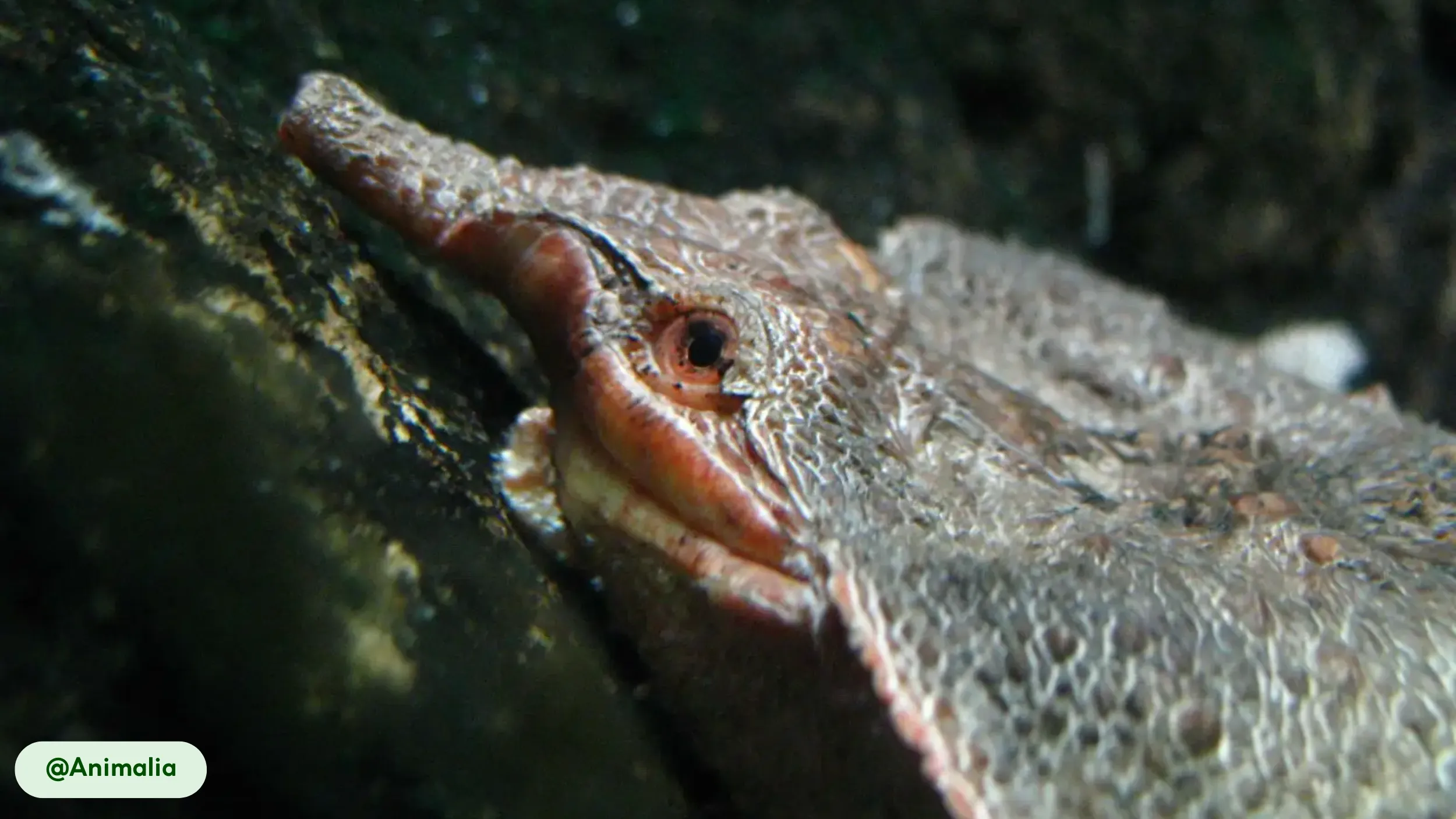
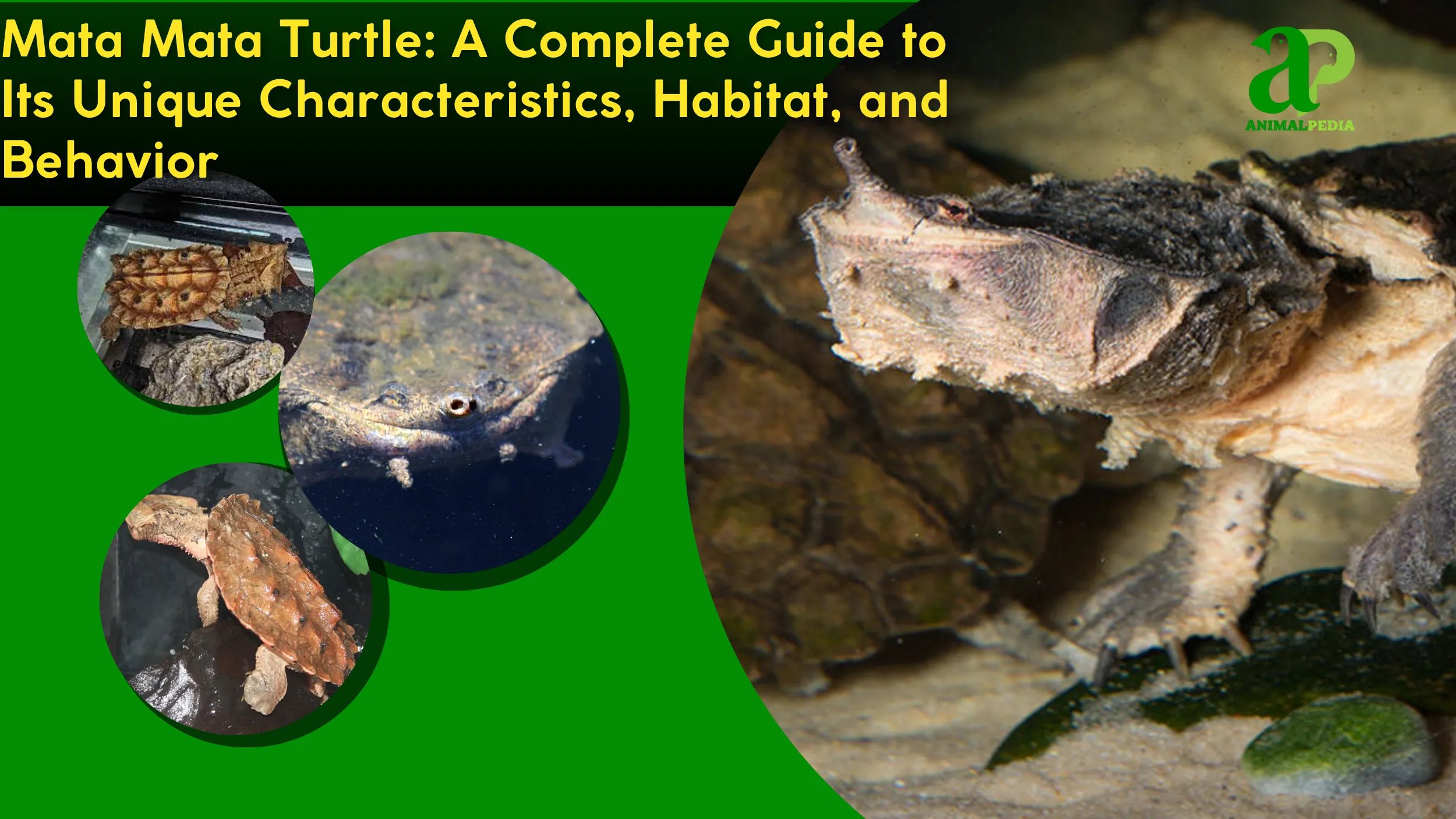
Mata Mata turtles (Chelus fimbriata) are a large, freshwater turtle species from South America, noted for their unique, flattened appearance and exceptional camouflage. This reptile, classified under the family Chelidae, is a highly specialized ambush predator that employs a distinct suction feeding mechanism to capture prey.
Found in the sluggish, murky waters of the Amazon and Orinoco river basins, its lifestyle is uniquely adapted to its environment. The species is recognized for a flattened shell with a rugged texture, a long, snorkel-like snout, and a broad, triangular head. While not considered endangered, the species faces conservation challenges related to habitat loss and the illegal pet trade.
This guide provides an in-depth look at the Mata Mata turtle, including its physical traits, habitat, diet, and conservation status. We examine the key morphological and behavioral adaptations that define this reptile. The content explores its classification, geographical distribution, and how its unique attributes allow it to thrive in its specific ecological niche. The Mata Mata is a creature of deep mystery, with a name that suggests its predatory skill. Its place in the animal kingdom is as unique as its appearance, and understanding its classification provides the foundation for appreciating its world.
What Are Mata Mata Turtles?
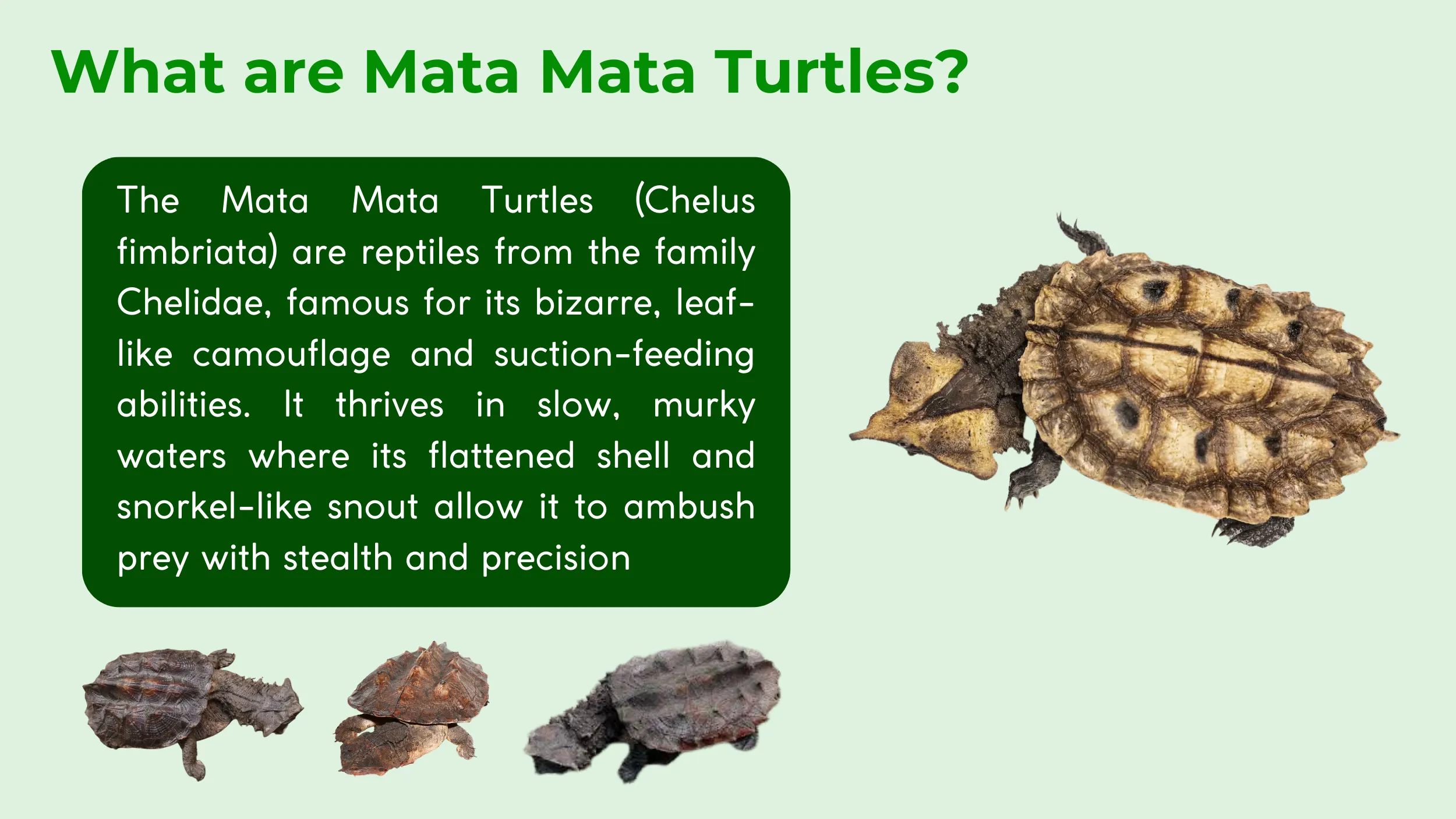
Mata Mata turtles (Chelus fimbriata) are freshwater reptiles known for their bizarre appearance, their geographic distribution in the Amazon basin, and their specialized predatory behavior. The species belongs to the class Reptilia, order Testudines, and family Chelidae, which are characterized by side-necked turtles that fold their heads sideways into their shells.
Historically, Chelus fimbriata was believed to be a single species, but recent genetic and morphological studies confirm it is two distinct species. The new species, Chelus orinocensis, is found in the Orinoco River basin. The name “Mata Mata” is thought to derive from Spanish, meaning “it kills,” which references its predatory technique.
The Mata Mata turtle is a solitary reptile that prefers to walk along the bottom of slow-moving, muddy waterways. Its unusual form provides exceptional camouflage, allowing it to blend into the submerged debris. Its diet consists mainly of small fish and invertebrates, which it catches with a specialized vacuum-like suction feeding mechanism.
This hunting style and its unique physical features distinguish the species from other freshwater turtles. The physical traits of the Mata Mata turtle are a direct adaptation to this hunting and survival strategy, which we will explore next. From its unusual snout to its rough, bark-like shell, the Mata Mata’s appearance is a masterpiece of natural design. These striking features are not random; they are essential tools for survival in their specialized environment.
What Do Mata Mata Turtles Look Like?
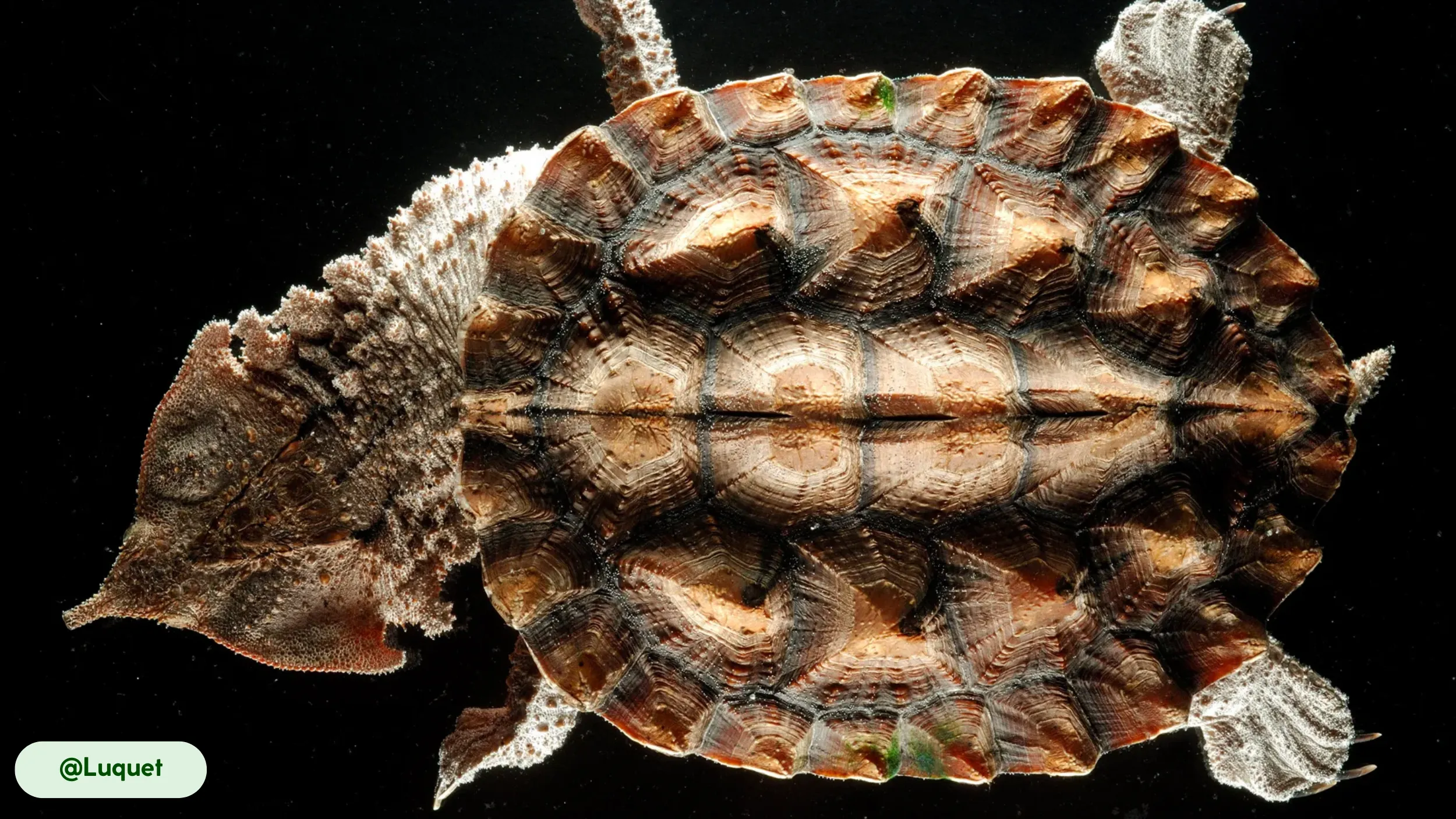
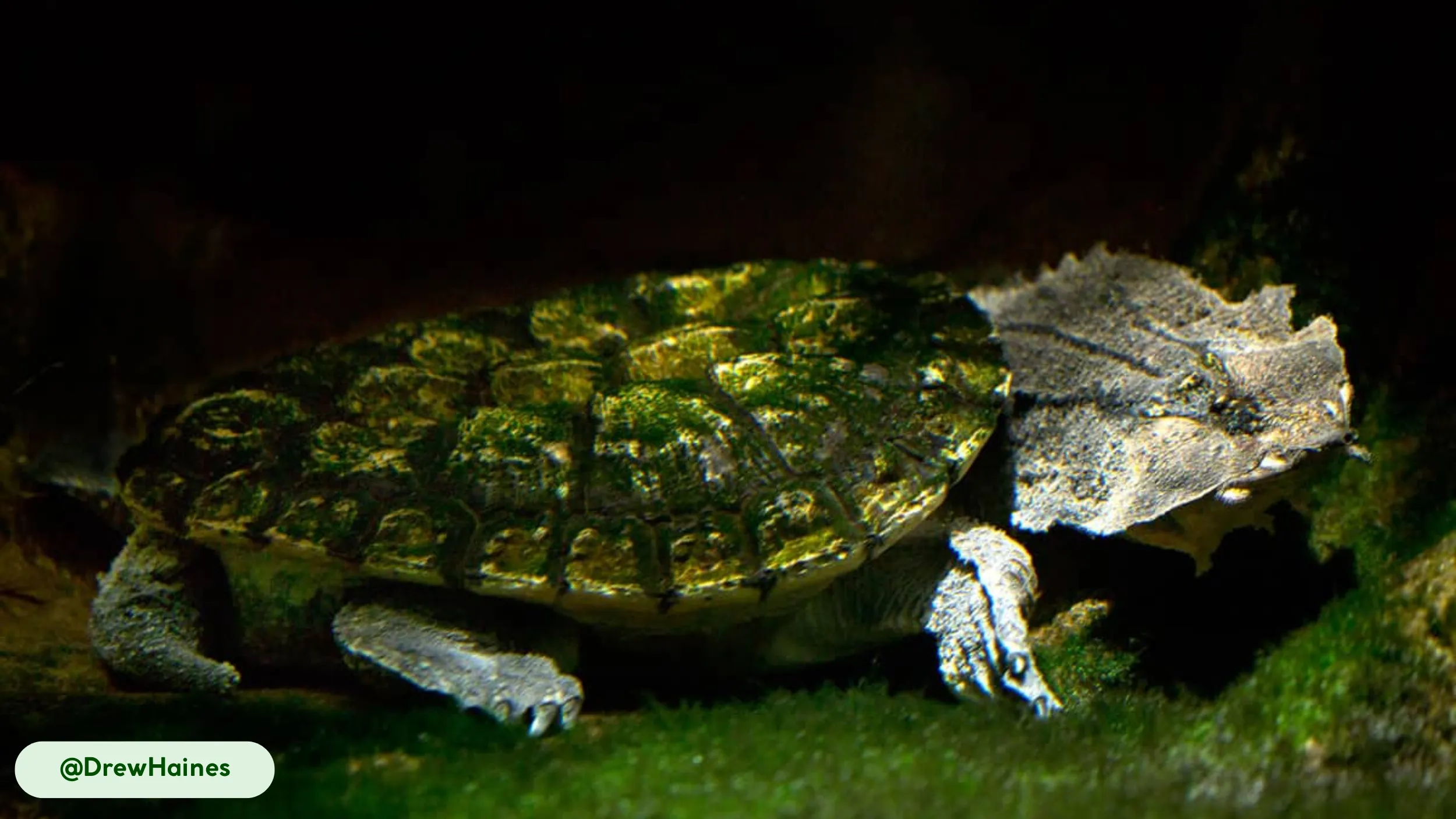
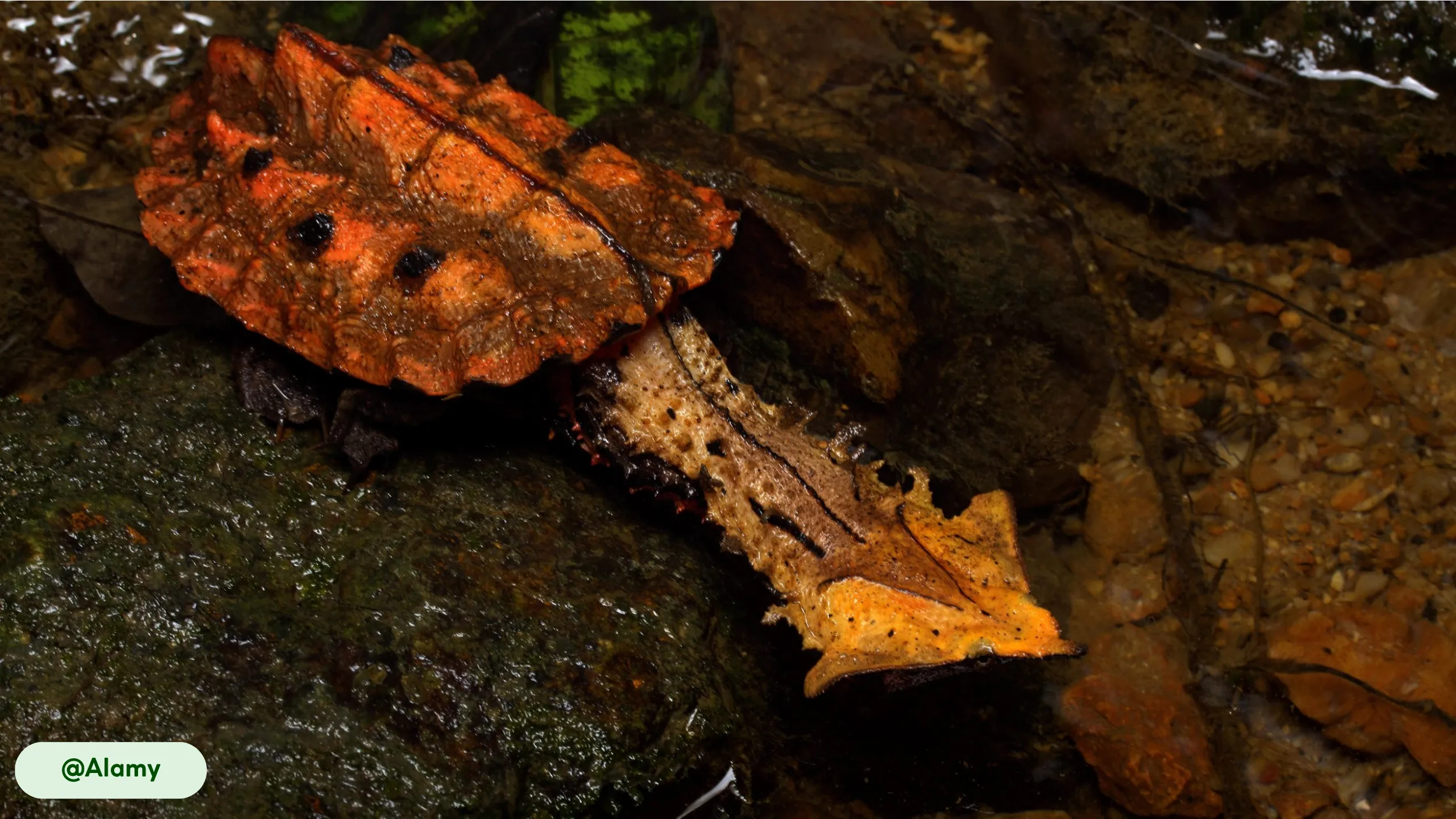
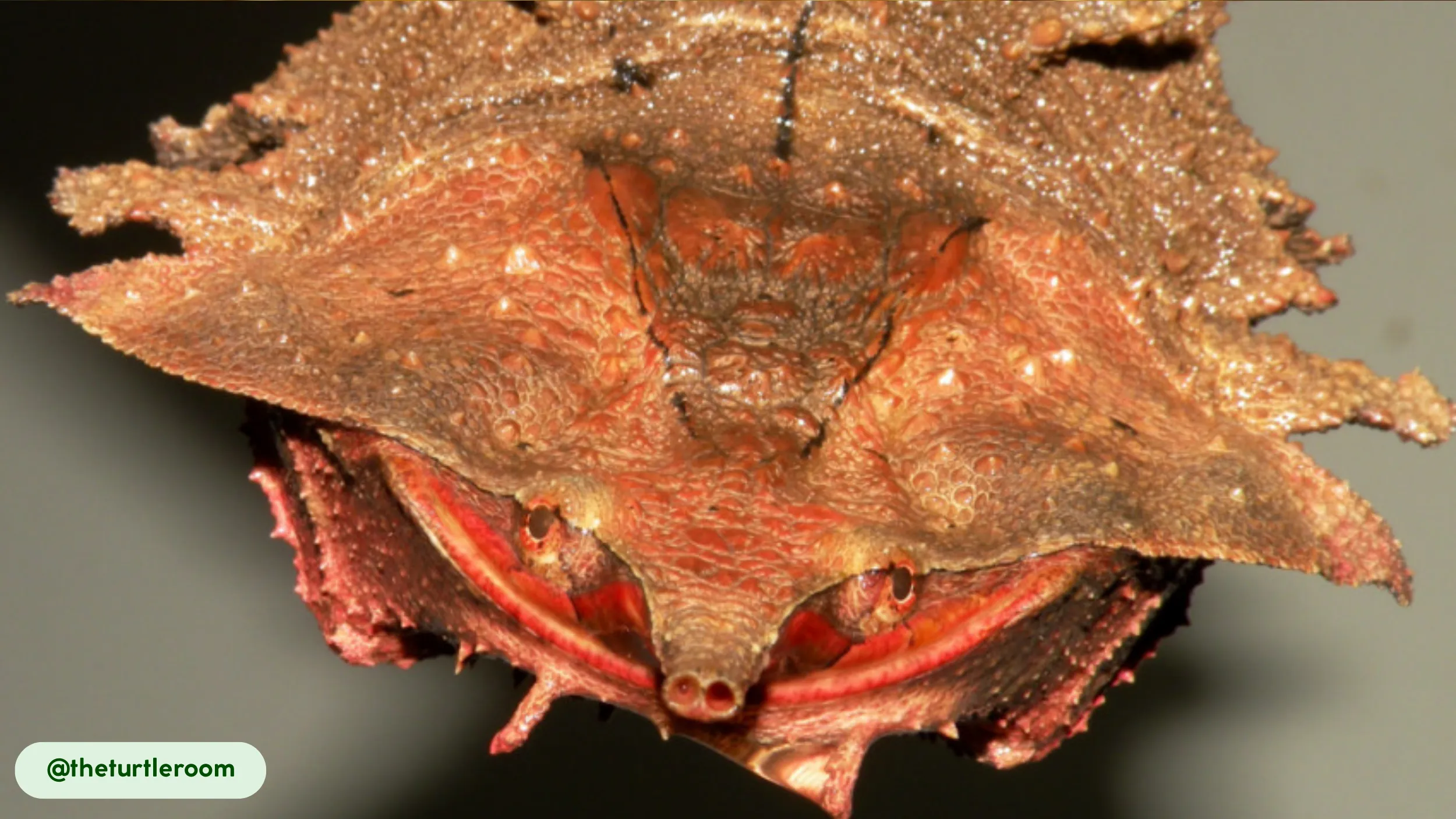
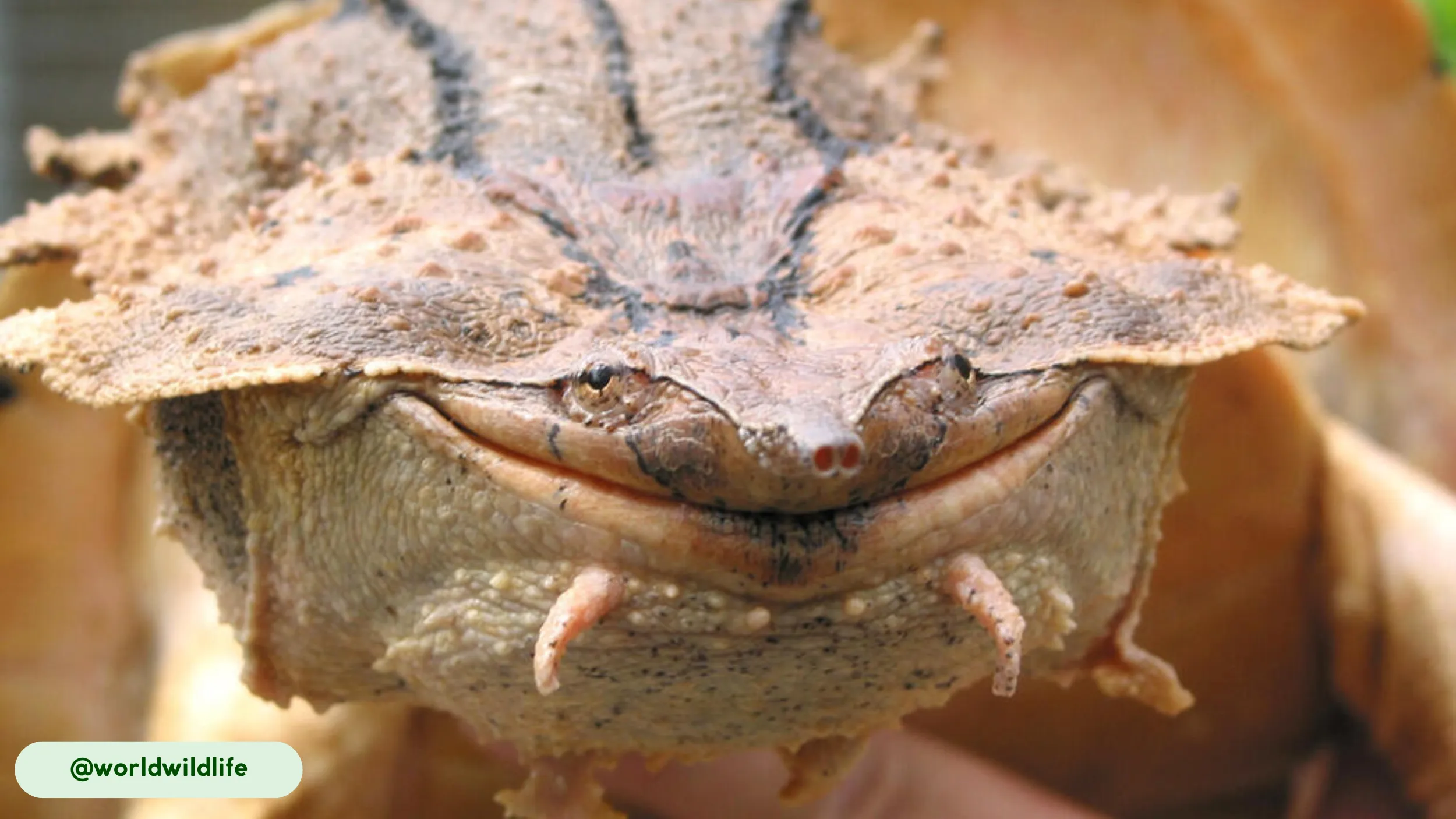
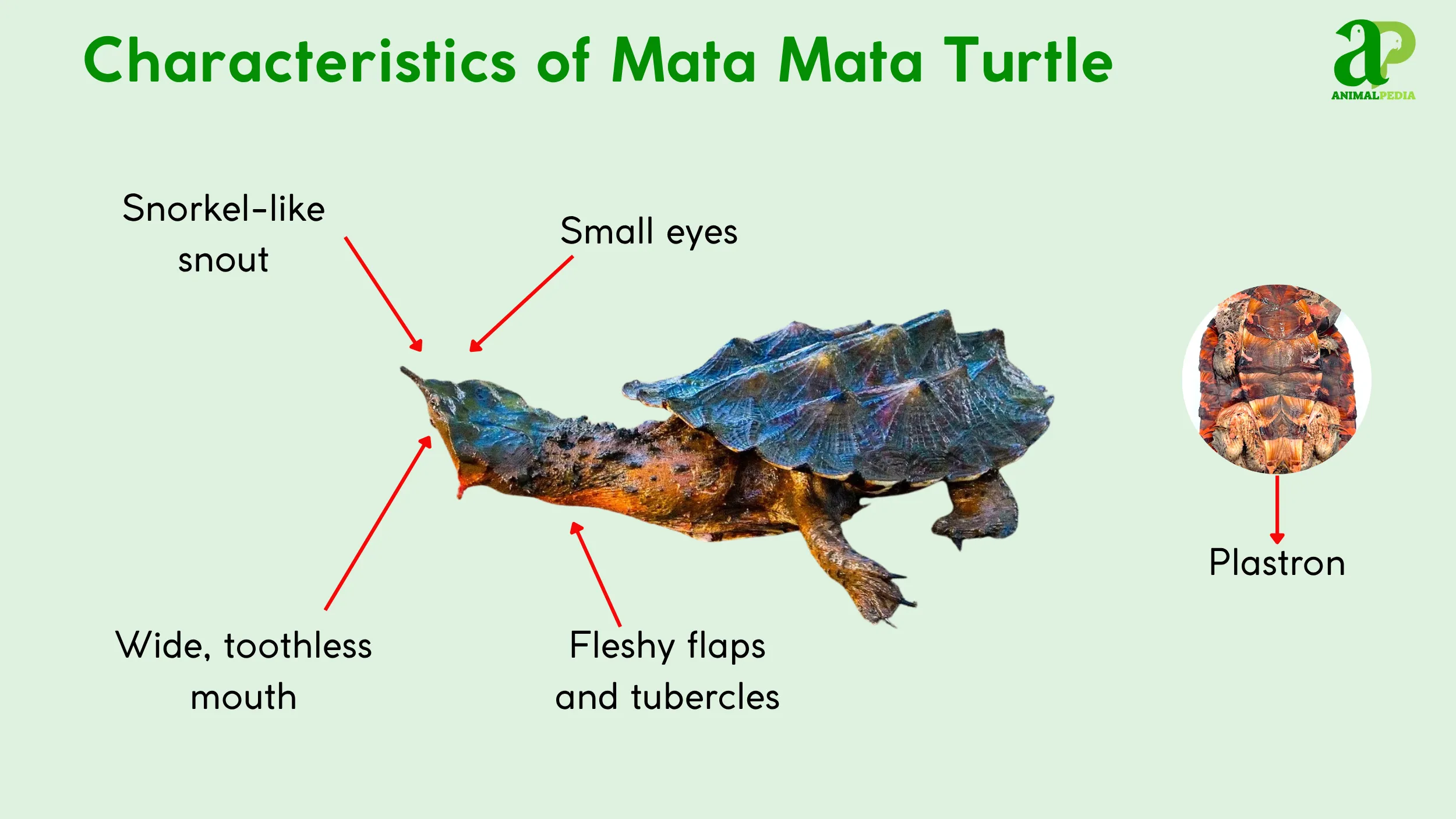
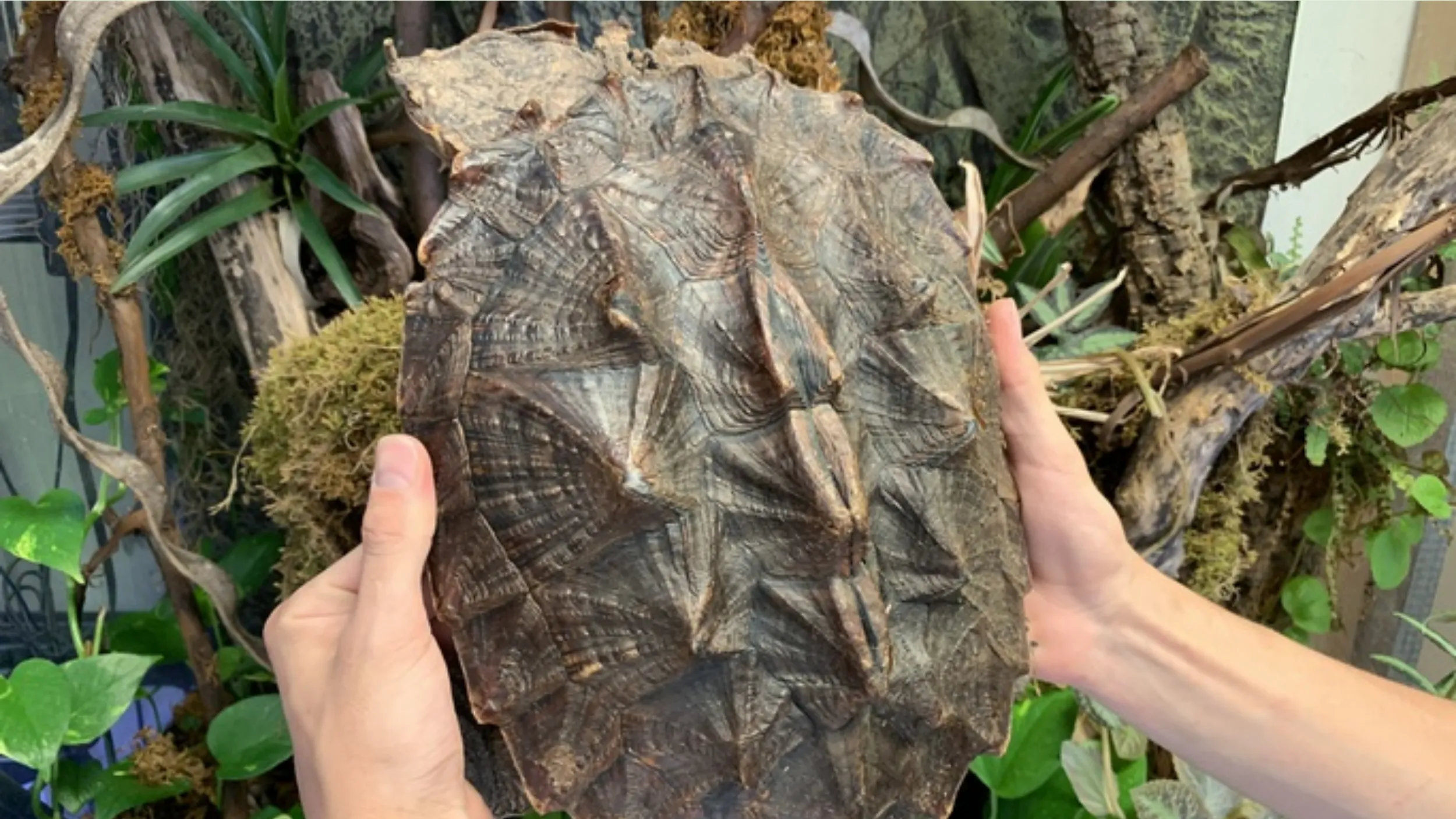
The Mata Mata turtle’s physical appearance is a direct adaptation for its role as an ambush predator in muddy river environments. The carapace, or upper shell, is flat and rugged with three prominent ridges, giving it a resemblance to a piece of tree bark. This rough texture and mottled coloration of browns, grays, and blacks allow the turtle to blend seamlessly with submerged debris and leaf litter. Its head is distinctively large, triangular, and flattened, adorned with a variety of fleshy flaps and tubercles that further disrupt its outline, aiding in camouflage (4).
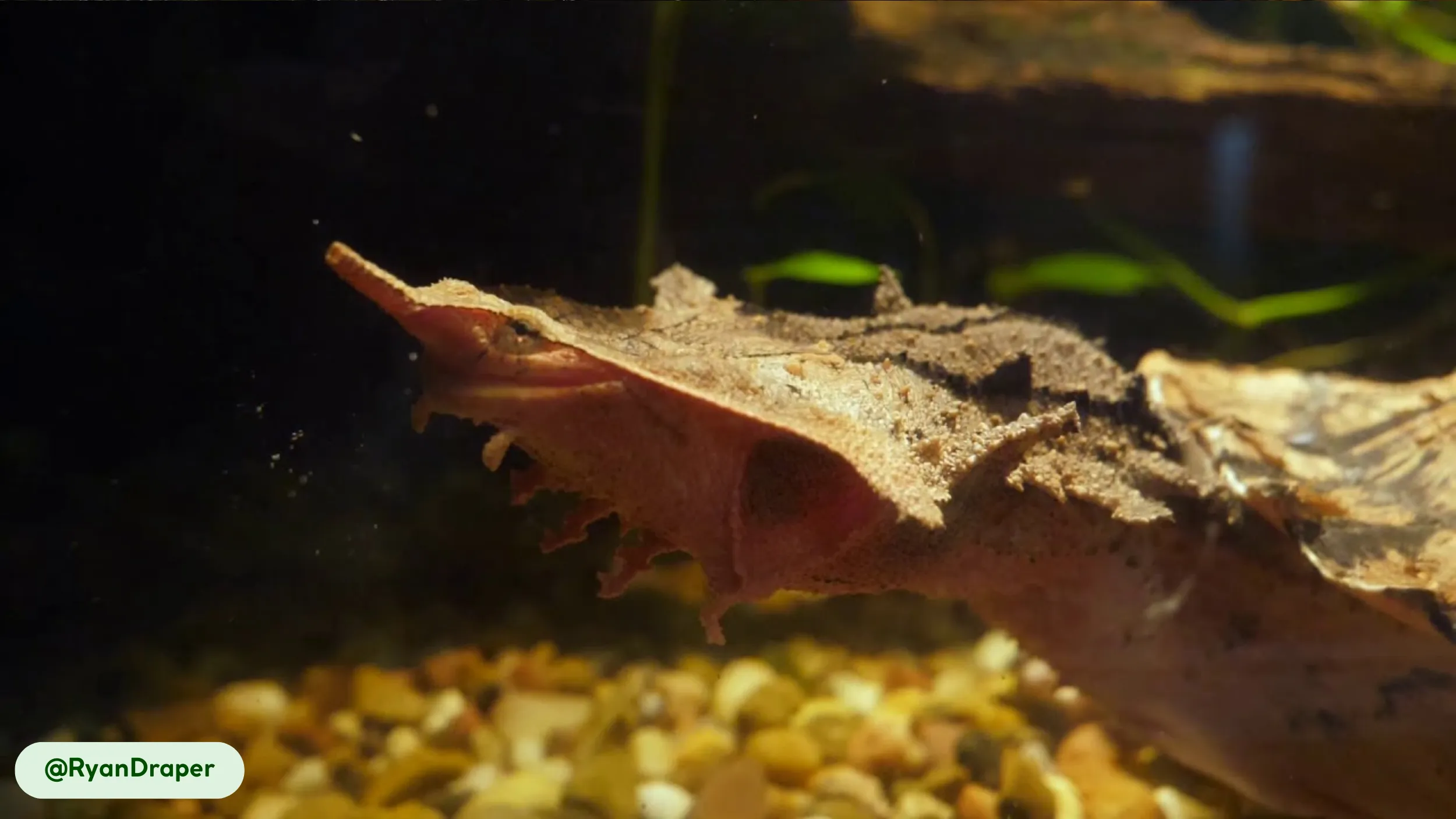
The species has several distinctive characteristics, including a flattened shell, a long, snorkel-like snout, and a wide mouth.
- Snorkel-like Snout: This is a long, tubular structure that allows the turtle to breathe while completely submerged and motionless, with only the tip breaking the water’s surface.
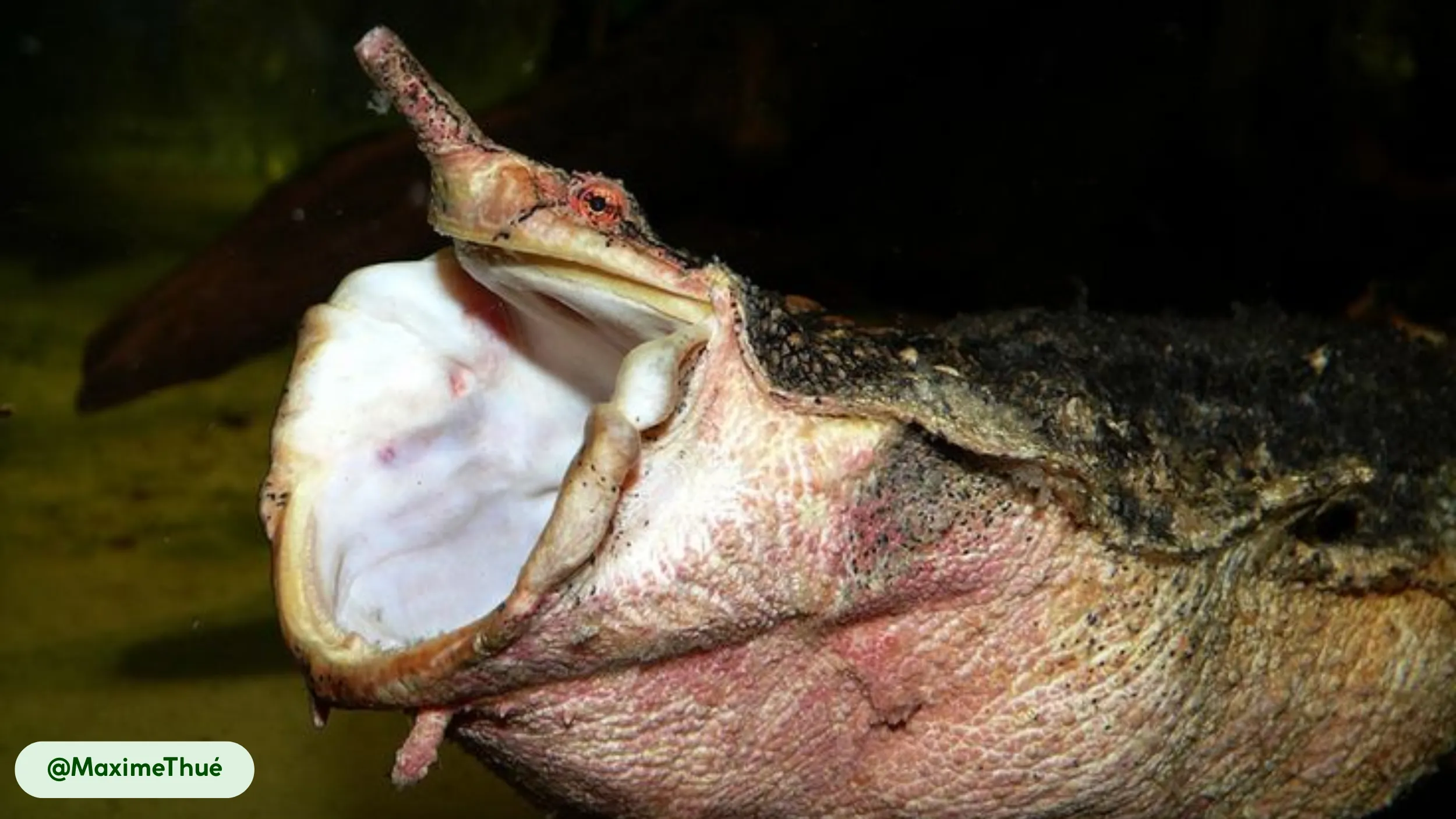
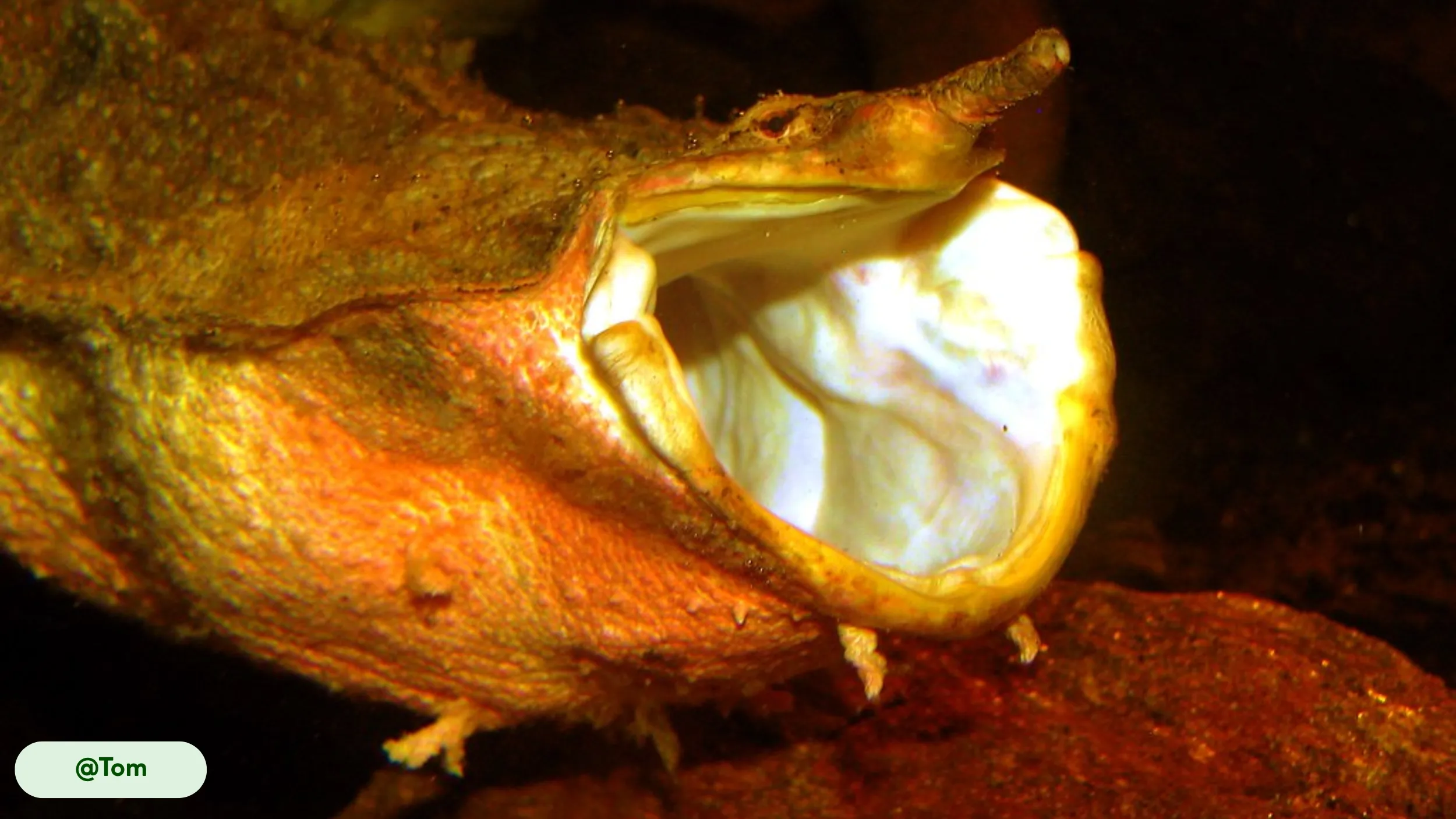
- Mouth: Its wide, toothless mouth is positioned below the snout, used for its unique suction feeding method.
- Eyes: The small eyes are located on the sides of the head and possess a tapetum lucidum, a reflective layer that enhances their ability to see in low-light conditions (2).
- Flaps: Fleshy flaps and tubercles on the head and neck further help in camouflage by mimicking decaying leaves or plants.
- Plastron: The plastron, or bottom shell, is small and narrow, which gives it a limited range of motion for protection but aids its movement along the riverbed.
Males and females exhibit sexual dimorphism in their physical appearance. Males typically have a longer, thicker tail and a slightly concave plastron, while females have a shorter tail and a flatter plastron (2). This complex morphology, including the camouflage, is essential for the turtle’s survival. While its physical form is complex and intriguing, its sheer size also commands attention. The Mata Mata is a sizable reptile whose dimensions are perfectly suited to its life as a bottom-dwelling predator in the Amazon’s waterways.
How Big Are Mata Mata Turtles?
Adult Mata Mata turtles typically reach a length of 17 to 20 inches (43 to 51 cm) and a weight of 33 to 44 pounds (15 to 20 kg). The males and females have distinct size differences.
Hatchlings are born small, with a carapace length of approximately 1.5 inches (4 cm). They grow rapidly during their juvenile stage before their growth rate slows significantly as they reach adulthood. A fully grown Mata Mata can be compared to the size of a standard briefcase or a small dog. Their size, combined with their unique physical attributes, makes them a remarkable species. The habitats they occupy are as unique as the turtles themselves. These environments provide the perfect conditions for the Mata Mata to employ its hunting and survival techniques, showcasing a deep connection between the creature and its home.

Where Do Mata Mata Turtles Live?
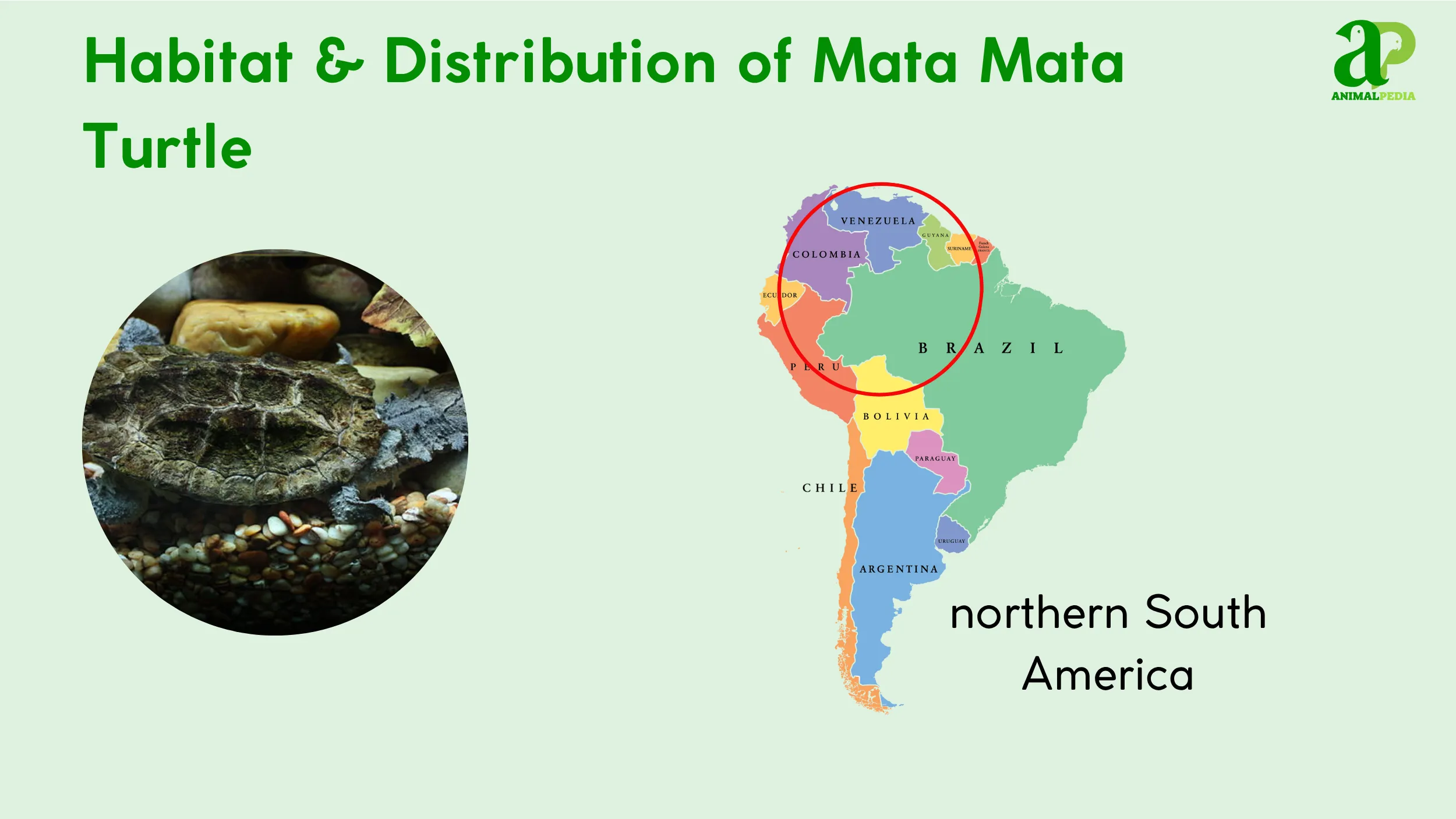
The Mata Mata turtle is found in the slow-moving, freshwater systems of northern South America, specifically in the Amazon and Orinoco river basins. Its geographical distribution extends across several countries, including Brazil, Bolivia, Ecuador, Peru, Colombia, Venezuela, and the Guianas. The turtle’s preferred habitats are shallow, murky bodies of water like marshes, swamps, and stagnant pools. These environments are typically warm and filled with leaf litter and other organic debris, providing the perfect camouflage for this reptile.
Mata Mata turtles are completely aquatic but are not strong swimmers. They prefer to walk on the bottom of their habitat rather than venturing into open water. The muddy substrate is crucial for them to hide. They do not have a defined territory but in areas with abundant food and suitable camouflage.
The specific habitat choice is essential for the Mata Mata’s survival, as it maximizes its ability to ambush prey. The way the Mata Mata interacts with its environment is a display of behavioral specialization. From its patient hunting methods to its nocturnal habits, every action is a calculated part of its survival strategy.
How Do Mata Mata Turtles Behave?
Mata Mata turtles exhibit unique behaviors that are directly tied to their specialized role as ambush predators in aquatic environments. Their lifestyle is characterized by stillness and reliance on camouflage to capture prey.
- Diet and Feeding: They are carnivorous ambush predators that use a suction-feeding mechanism to capture fish and invertebrates.
- Movement and Abilities: The turtles are primarily bottom-walkers with limited swimming capability and a slow, deliberate movement.
- Daily/Seasonal Patterns: They are largely nocturnal, with peak activity occurring during twilight hours, and do not undertake seasonal migrations.
A detailed examination of these behaviors reveals the extraordinary adaptations that define this species.
Diet and Feeding
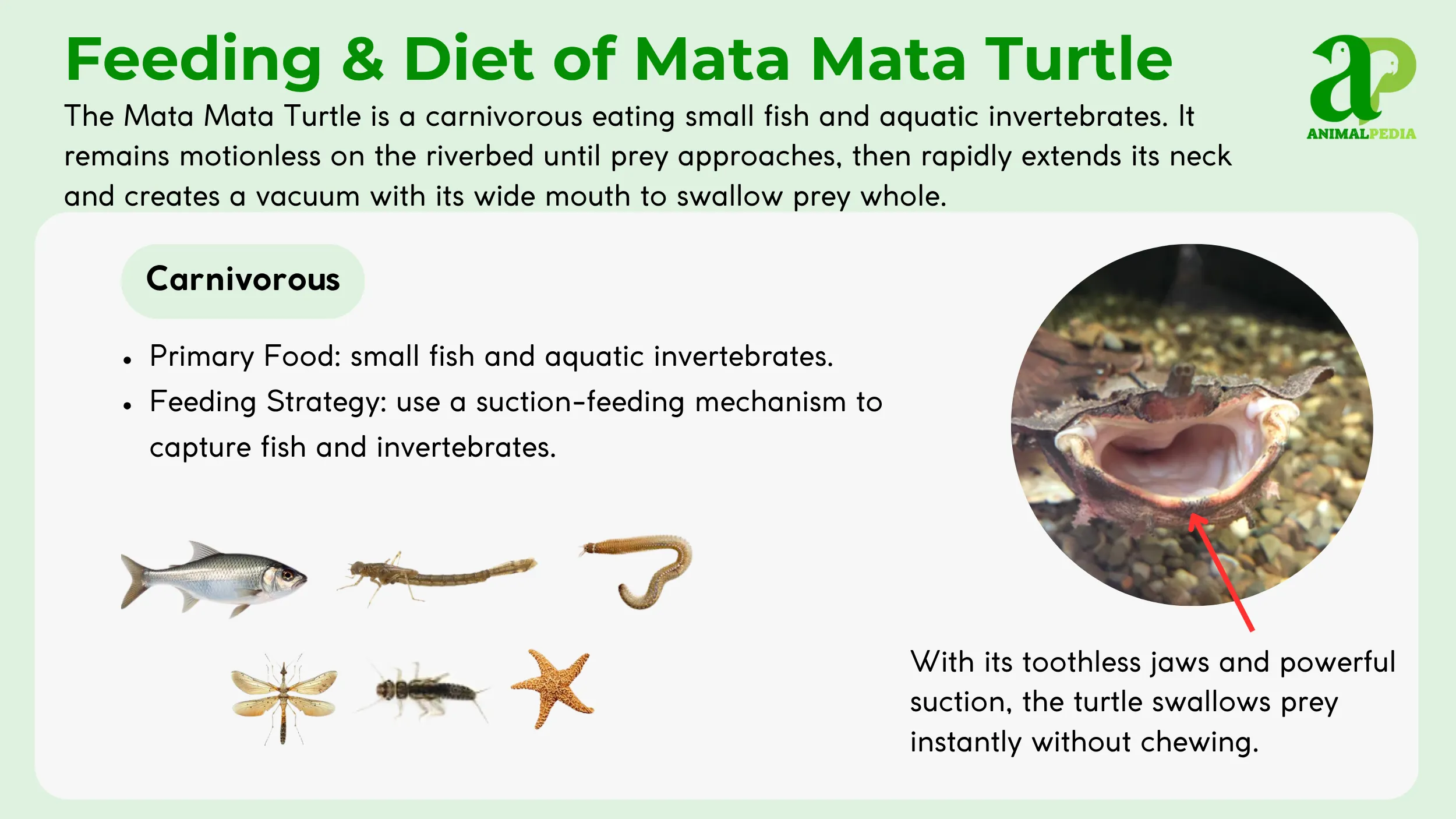
Mata Mata turtles are carnivores that primarily consume small fish and aquatic invertebrates (3). Their feeding strategy relies on stealth and specialized anatomy rather than speed or strength. The turtle, motionless on the muddy bottom of a water body, is often buried except for its head, which appears as a pile of leaves or a piece of driftwood. When a small fish or crustacean ventures within striking distance, the turtle rapidly extends its long neck and opens its large mouth. This action creates a sudden vacuum, drawing both water and the unsuspecting prey into its throat (3).
The water is then expelled, and the prey is swallowed whole. This feeding method, called suction feeding, is highly efficient and eliminates the need for strong jaws or chewing. The low metabolic rate of the Mata Mata turtle allows it to survive for extended periods on relatively little food. These specialized diets and hunting techniques are perfectly suited to their murky, aquatic habitats.
Movement and Abilities
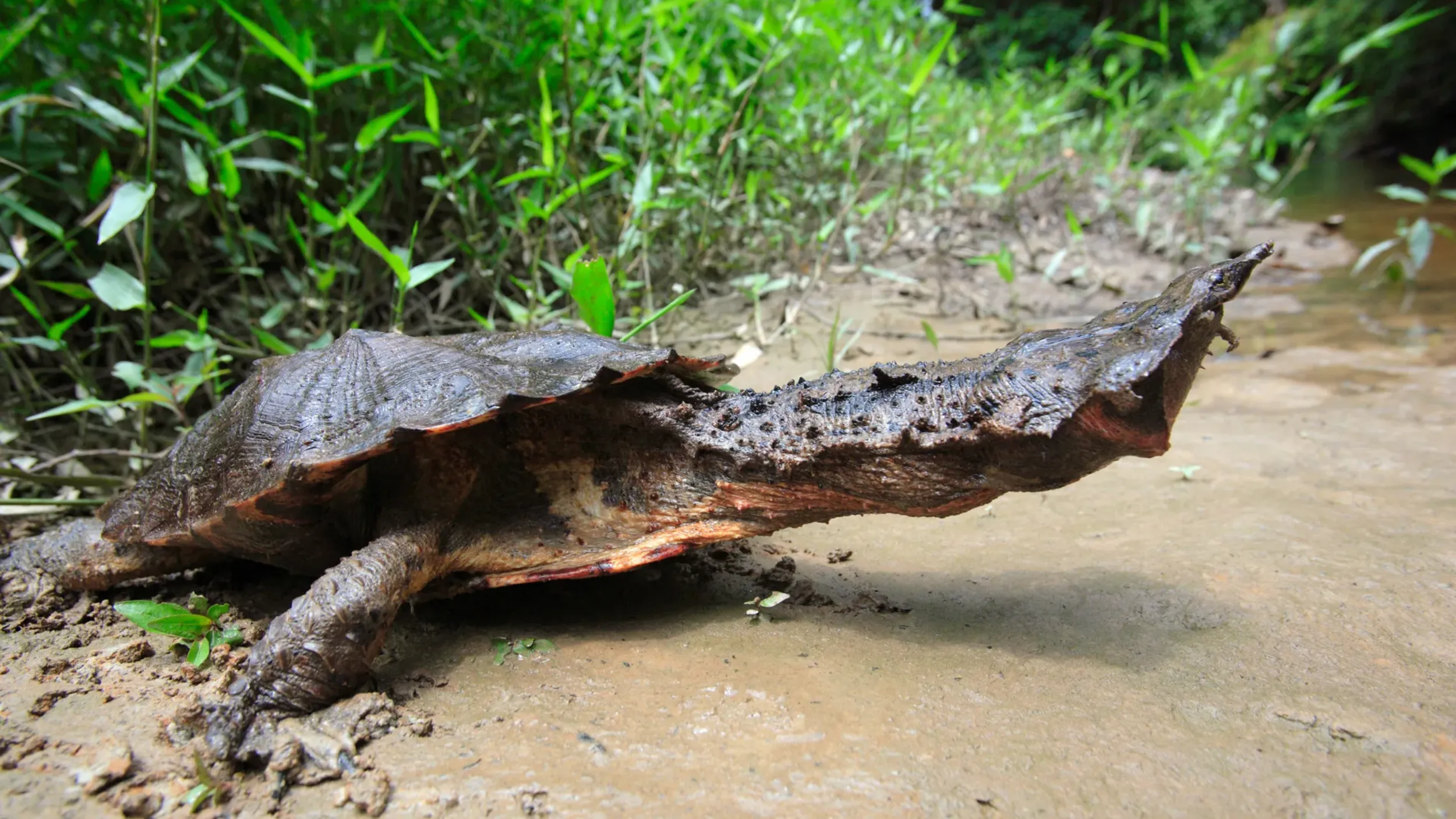
Mata Mata turtles are known for their slow, deliberate movement, which is essential to their ambush hunting strategy. Their large, flattened shells and short limbs make them poor swimmers. Instead, they prefer to walk along the bottom of their aquatic habitat. This walking behavior allows them to blend in with the surrounding debris and approach prey stealthily.
Their physical capabilities are specifically suited to this lifestyle. They are capable of moving their heads and necks with extreme speed when capturing prey, a striking contrast to their otherwise sluggish nature. Their respiratory adaptations allow them to be submerged for extended periods. This is a crucial physical capability for a turtle that spends most of its life motionless at the bottom of a river or swamp (4).
The species does not have a high running speed. Their primary mode of self-defense involves camouflage and staying motionless, rather than escaping from a threat. Their unique morphology provides a physical advantage in their specific ecological niche.

Daily/Seasonal Patterns
Mata Mata turtles are primarily nocturnal and crepuscular, which means they are most active during the night and at twilight. During the day, they are often motionless, camouflaged, and partially buried in the mud or leaf litter. They will often lie completely still for hours, waiting for an opportunity to strike (2).
The daily activity cycle of this species can be summarized in a timeline format.
- Daytime (approximately 6 AM – 6 PM): The turtles are largely inactive, buried in mud or debris.
- Twilight and Nighttime (approximately 6 PM – 6 AM): This is the peak period of activity, including hunting and foraging for prey.
The seasonal patterns of the Mata Mata turtle are influenced by the wet and dry seasons of the Amazon basin. During the dry season, they may become less active as water levels recede and food becomes less plentiful. They are not known to hibernate or estivate, but their activity decreases during cooler periods.
Unlike many turtle species, the Mata Mata turtle is non-migratory. They generally live within a relatively small home range, which is tied to the availability of food and suitable habitat. Their ambush-predator lifestyle does not require them to travel long distances in search of food. The Mata Mata’s life cycle extends beyond its daily behaviors, including a quiet and deliberate reproductive process. Understanding how they reproduce reveals another layer of their unique biology and adaptation.
How Do Mata Mata Turtles Reproduce?
Mata Mata turtles are oviparous, which means they lay eggs. The mating season typically aligns with the dry season, when nesting areas become accessible. The female turtle can lay multiple clutches per year, each containing an average of 12 to 28 eggs (1). There is no complex courtship ritual; mating is a brief event. After mating, the female travels to an appropriate nesting site, often a high, sandy bank, to deposit her eggs.
The eggs have a long incubation period, typically lasting from 200 to 240 days. The hatchlings, which emerge from the eggs fully developed, are independent from birth. No parental care is provided. The temperature of the nest can influence the sex of the hatchlings, a phenomenon known as temperature-dependent sex determination, although specific data for the Mata Mata turtle is limited.
A long life span is common in many turtle species, a testament to their successful adaptation to a specific ecological niche. While a long lifespan is beneficial for the species, it also raises questions about its relationship with humanity. The Mata Mata’s connection to people ranges from a role in the pet trade to its less-understood ecological function.

How Long Do Mata Mata Turtles Live?
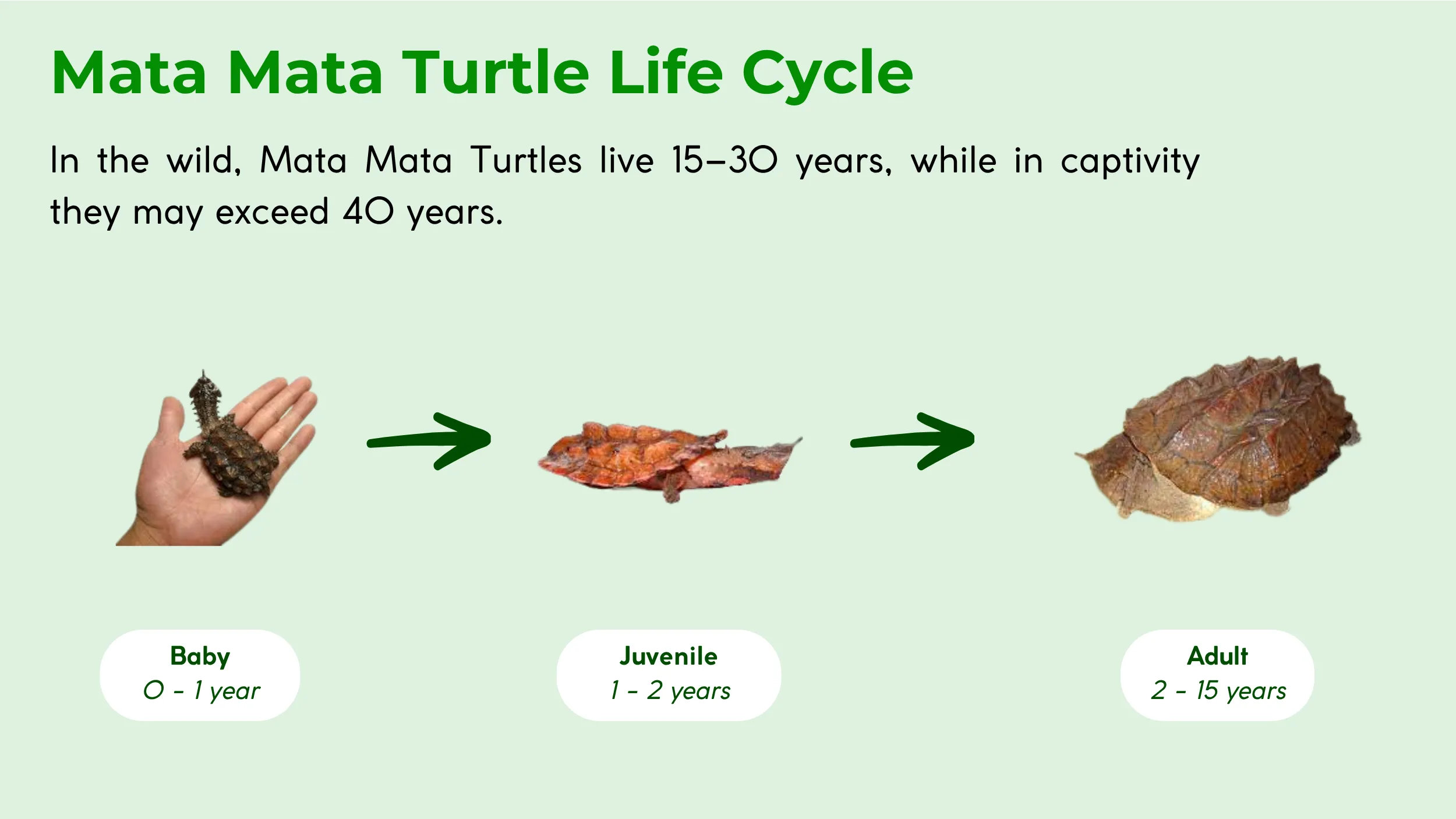
Mata Mata turtles live an average of 15 to 30 years in the wild. In captivity, they can live for over 40 years. Longevity is influenced by factors such as diet, habitat quality, and predation. A turtle’s overall health and environment greatly influence its life span. The Mata Mata has a slow metabolic rate, which contributes to its long life span. The species reaches sexual maturity around four to six years of age (2). Once they become adults, their growth rate slows significantly.
A long life span is common in many turtle species, a testament to their successful adaptation to a specific ecological niche. The Mata Mata’s role in the ecosystem is a critical part of its existence. However, this species, like many others, faces significant threats from human activity that challenge its ability to survive.
Are Mata Mata Turtles Harmful to Humans?
Mata Mata turtles are not harmful to humans. They are not known to carry diseases that can be transmitted to humans. The species has some economic value in the pet trade, where their unique appearance makes them desirable. However, this has led to over-collection from the wild, which poses a threat to their survival (7). In some parts of their range, they are also hunted for meat, although this practice is not widespread.
The turtles do not have a significant cultural presence or symbolic meaning in local folklore or traditions. Their primary value to humans is their role in maintaining healthy aquatic ecosystems by regulating the populations of small fish and invertebrates. Their presence indicates a balanced, functional environment.
The Mata Mata’s role in the ecosystem is a critical part of its existence. However, this species, like many others, faces significant threats from human activity that challenge its ability to survive.
Are Mata Mata Turtles Endangered?
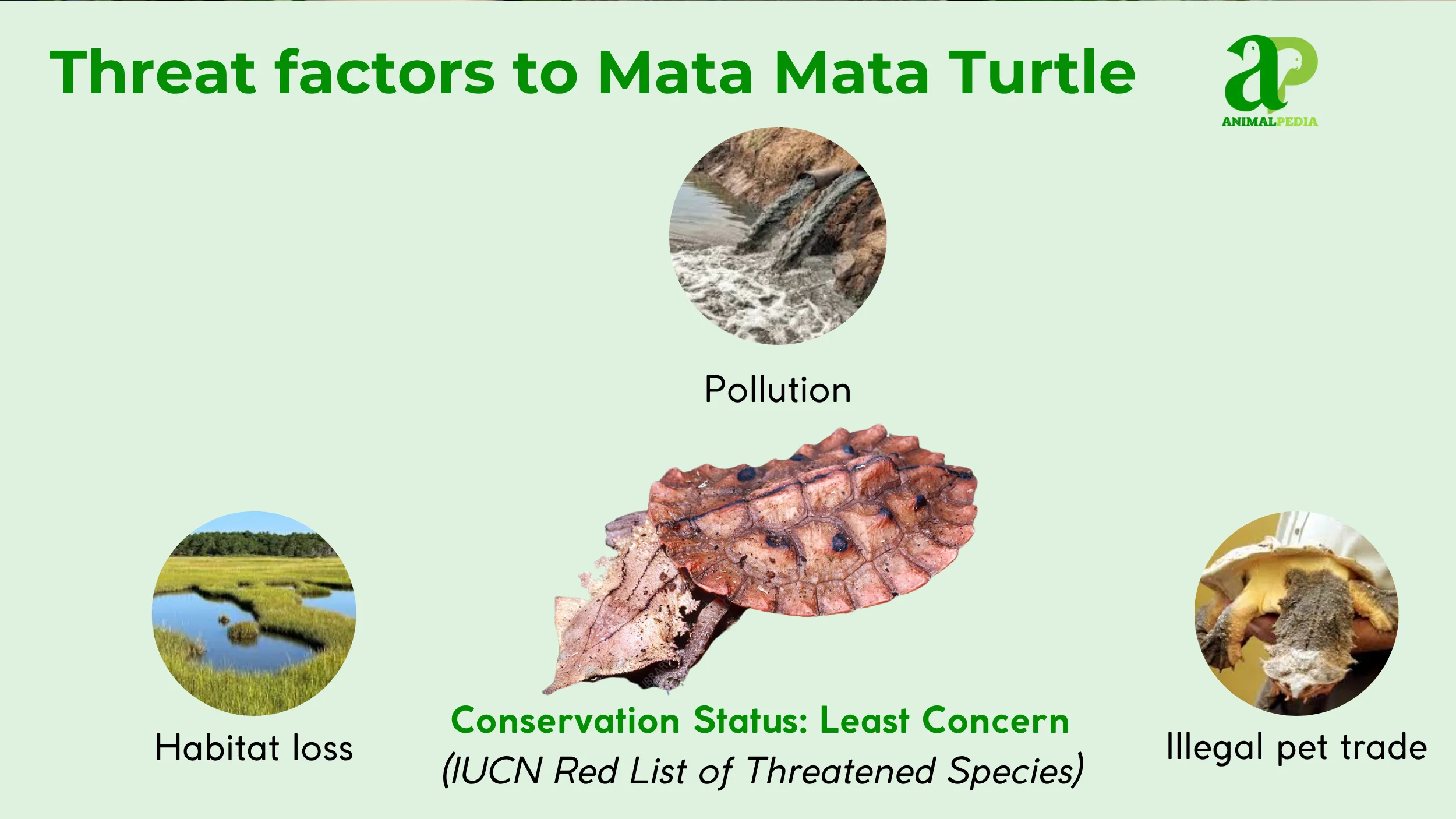
The Mata Mata turtle is currently categorized as Least Concern on the IUCN Red List. However, this designation is based on an older assessment, and the species is considered Near Threatened in Colombia (7). The species faces several threats to its survival, including habitat degradation from deforestation, pollution, and the illegal pet trade.
In 2023, the species was listed on CITES Appendix II. This listing allows for regulated international trade through a permit system, aiming to monitor and control its commercial exploitation and prevent it from becoming endangered (7).
The Mata Mata’s ecological role is important; it acts as a predator that helps maintain the balance of fish and invertebrate populations in its habitat. Conservation efforts focus on protecting its natural habitat and enforcing regulations to prevent over-collection.
These measures are essential to ensure the long-term survival of this unique reptile. Beyond their conservation status, the Mata Mata is a creature of detail. Its biology is full of surprising facts that highlight its evolutionary success and unique place in the natural world.
Frequently Asked Questions About Mata Mata Turtles
How Do Mata Mata Turtles Breathe Underwater?
A Mata Mata turtle breathes underwater by using its elongated, snorkel-like snout. The turtle extends its long neck to the water’s surface, allowing the tip of the snout to break the surface while the rest of its body is concealed below. This adaptation allows the turtle to stay motionless and camouflaged for long periods.
Do Mata Mata Turtles Migrate?
No, Mata Mata turtles are non-migratory. They are sedentary ambush predators that inhabit a small home range within their aquatic environment. They do not travel long distances in search of food or breeding grounds, instead relying on stealth and camouflage in their local habitat.
Can Mata Mata Turtles Vocalize?
Yes, Mata Mata turtles can vocalize. They produce a variety of sounds, including grunts, clicks, and hisses, particularly when they feel stressed or are handled. These vocalizations are believed to be a form of communication or a defensive response (5).
Are Mata Mata Turtles Used In Scientific Research?
Yes, Mata Mata turtles are used in scientific research. Due to their unique morphology and specialized feeding mechanism, they are of interest to herpetologists and biologists. Studies focus on their behavior, adaptations, and evolutionary history to better understand their place in the ecosystem.
What Is Their Role In Indigenous Cultures?
The role of the Mata Mata turtle in indigenous cultures is not widely documented. Unlike some other species, they do not appear to hold a significant cultural or symbolic presence in the folklore of the indigenous peoples of the Amazon and Orinoco basins.
Conclusion
The Mata Mata turtle is an extraordinary example of natural specialization. Its unique morphology and behavioral adaptations allow it to thrive as a masterful ambush predator in the murky waters of the Amazon and Orinoco basins. From its camouflage and suction-feeding to its long lifespan, every aspect of its existence is finely tuned to its ecological niche. This deep understanding of animal life is what we strive to provide at Animal Pedia. For more detailed profiles and to explore other fascinating species, we invite you to browse our comprehensive digital encyclopedia. Discover the world of animals with us.