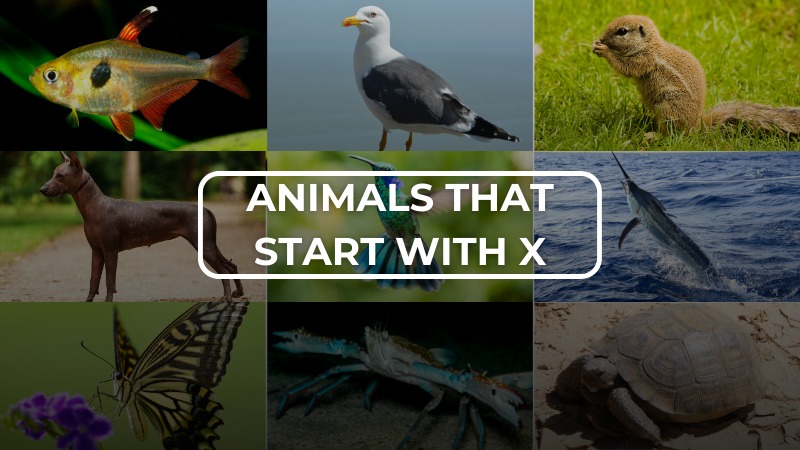
Top 12 Most Popular Animals Starting with X
The letter X often feels rare and mysterious, and the animals associated with it are equally extraordinary! Far from being common, these creatures showcase some of nature’s most bizarre and beautiful adaptations, proving that uniqueness often begins with an X. Prepare to be amazed by everything!
Here are 12 of the most popular animals whose names start with X:
| 1. Xoloitzcuintli | 2. X-Ray Tetra | 3. Xerus |
| 4. Xeme (Sabine’s Gull) |
5. Xenops Tenuirostris | 6. Xiphias Gladius (Swordfish) |
| 7. Xenopus (Clawed Frog) | 8. Xylocopa (Carpenter Bee) |
9. Xanthid Crab |
| 10. Xenarthra | 11. Xiphosura (Horseshoe Crab) | 12. Xingu River Ray |
Keep reading to dive deeper into their unique characteristics!
1. Xoloitzcuintli
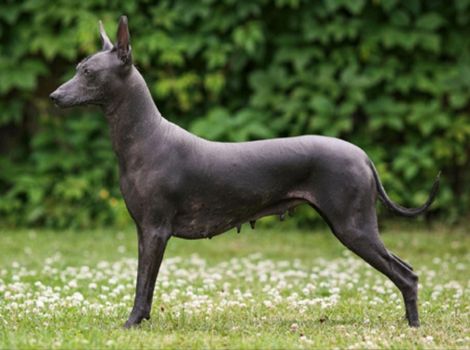
The Xoloitzcuintli, also known as the Mexican Hairless Dog, is an ancient and unique breed from the Canidae family. Known for its distinct appearance and loyalty, the Xolo is well-suited to warm climates and domestic life, though it requires protection in colder temperatures.
These dogs are agile and energetic, and they form strong bonds with their families, often protective and reserved around strangers. Their smooth skin, which can burn easily in the sun, comes in shades like black, gray, bronze, or reddish. With upright ears and almond-shaped eyes, Xolos have a striking, ancient look. Though once rare, they are now cherished for their intelligence, companionship, and cultural significance.
| Attributes | Quick facts |
|---|---|
| Size | 10–23 inches (25–58 cm) |
| Weight | 10–55 lbs (4.5–25 kg) |
| Lifespan | 13–18 years |
| Habitat | Domestic; warm climates in Mexico |
| Diet | Omnivorous, thrives on high-quality dog food |
| Social Structure | Highly social; bonds with families |
| Conservation | Not endangered |
Fun fact: Xolos come in three distinct sizes: toy, miniature, and standard, making them a versatile breed for families living in anything from apartments to large homes.
2. X-Ray Tetra
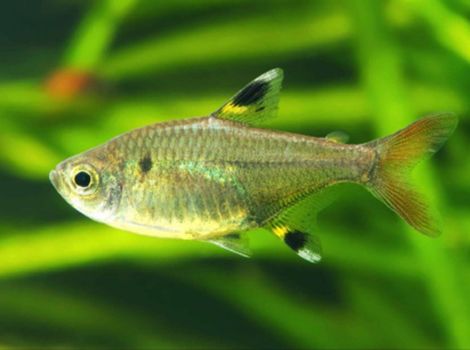
The X-Ray Tetra (Pristella maxillaris) is a small, captivating fish from the Characidae family. Found in freshwater rivers of South America, they thrive in warm waters (22–28°C). Their most distinct feature is their translucent body, which reveals their internal backbone and organs, earning them their name.
These fish are omnivorous, feeding on insects, larvae, and algae. Peaceful and social, X-Ray Tetras live in schools and are a favorite among aquarium enthusiasts due to their hardiness. They spawn by scattering eggs among plants, with the fry hatching and growing independently.
| Attributes | Quick facts |
|---|---|
| Size | 1.5–2 inches (3.8–5 cm) |
| Weight | Less than 0.1 oz |
| Lifespan | 3–5 years |
| Habitat | Freshwater rivers and streams in South America |
| Diet | Small invertebrates, algae, and plant matter |
| Social Structure | Shoaling (lives in groups) |
| Conservation | Least Concern |
Fun fact: X-Ray Tetras possess a structure called the Weberian apparatus, which enhances their hearing by transmitting sound waves from the swim bladder to the inner ear.
3. Xerus
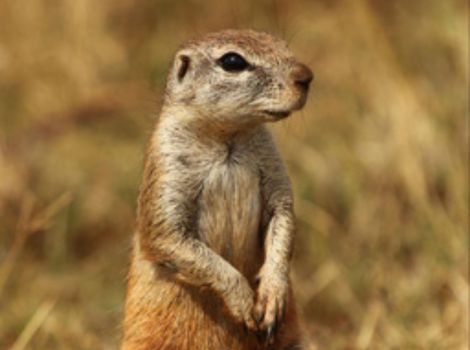
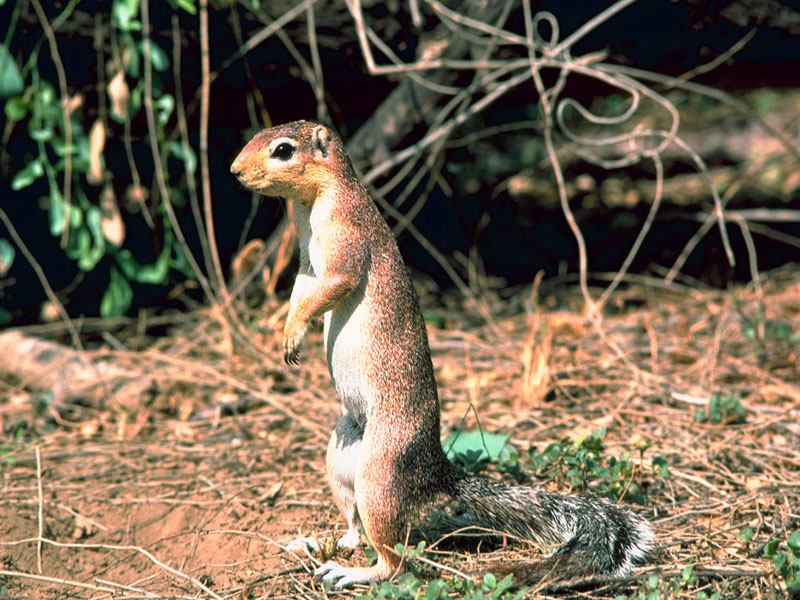
Commonly known as the African Ground Squirrel, the Xerus is a member of the Sciuridae family. These squirrels are small to medium-sized, measuring about 7–10 inches (18–25 cm) in body length with a bushy tail nearly as long. Found in sub-Saharan Africa, they inhabit open woodlands, grasslands, and arid savannas.
Xerus squirrels are diurnal and thrive in hot climates, living in burrow systems to escape the heat and predators. As omnivores, they eat seeds, roots, fruits, insects, and small invertebrates. They play an important role in seed dispersion, aiding plant growth in their ecosystems. Their appearance is striking, with short, coarse fur that varies from grayish-brown to reddish, often featuring a white stripe running down their sides.
| Attributes | Quick facts |
|---|---|
| Size | 7.8–9.1 inches (20–23 cm) |
| Weight | 0.88–1.5 lbs (400–700 grams) |
| Lifespan | 10–12 years |
| Habitat | Arid and semi-arid regions in Africa |
| Diet | Seeds, nuts, roots, and fruits |
| Social Structure | Highly social; live in groups |
| Conservation | Least Concern |
Fun fact: Xerus squirrels often use their fluffy tails as a parasol to shade themselves from the intense African sun while foraging.
4. Xeme (Sabine’s Gull)
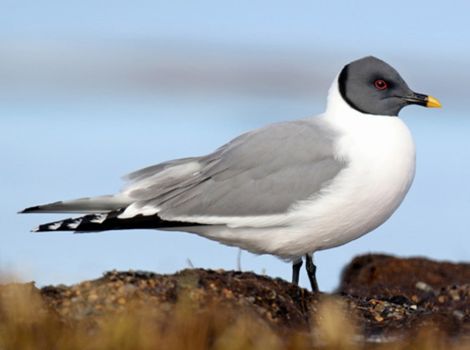
The Xeme, also known as Sabine’s Gull (Xema sabini), is a small, pelagic gull that stands out due to its striking wing pattern of black, white, and gray triangles. Unlike typical coastal gulls, Xemes are true wanderers of the open ocean.
They breed in the high Arctic tundra during the summer and undertake massive migrations to winter in the tropical waters off Africa and South America. They feed by hovering over the water and dipping their bills to snatch small fish and crustaceans.
| Attributes | Quick facts |
|---|---|
| Size | 11–13 inches (28–33 cm) |
| Weight | 5.3–7.4 oz (150–210 grams) |
| Lifespan | 10–20 years |
| Habitat | Arctic tundra (breeding), open oceans and coastal areas (non-breeding) |
| Diet | Insects, small fish, and marine invertebrates |
| Social Structure | Colonial during breeding season, otherwise solitary or in small groups |
| Conservation | Least Concern |
Fun fact: The Xeme is one of the very few gull species that migrates across open oceans rather than following the continental coastlines.
5. Xenops Tenuirostris
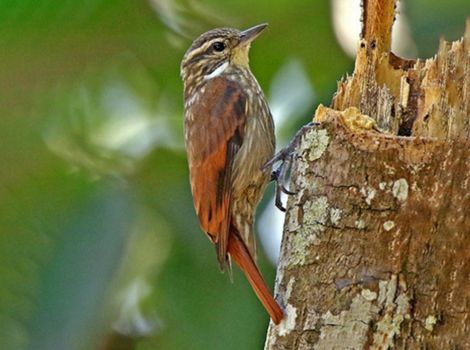
The Slender-billed Xenops is a small bird in the ovenbird family, found in the rainforests of the Amazon and Andes. It is distinguished from other Xenops species by its longer, upturned, and wedge-shaped bill. This specialized beak allows it to hammer into rotting wood and pry open bark to extract beetle larvae and ants.
It is an acrobatic forager, often seen hanging upside down or maneuvering sideways along thin branches, much like a chickadee or titmouse.
| Attributes | Quick facts |
|---|---|
| Size | 4.7–5.3 inches (12–13.5 cm) |
| Weight | 0.4–0.6 oz (10–16 grams) |
| Lifespan | 5–8 years |
| Habitat | Lowland and montane tropical forests in South America, especially near Brazil and Peru |
| Diet | Insects, particularly wood-boring beetle larvae, and small arthropods |
| Social Structure | Solitary or in pairs; often joins mixed-species flocks |
| Conservation | Least Concern |
Fun fact: These birds play a crucial role in the insectivorous bird guilds of their respective habitats, helping regulate insect populations.
6. Xiphias Gladius (Swordfish)
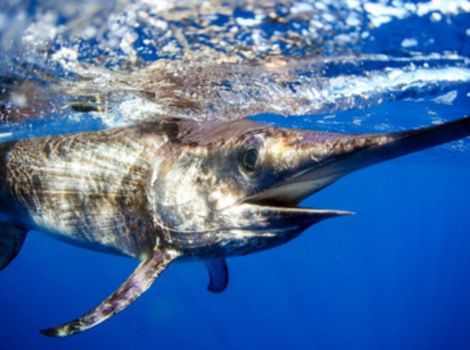
The Swordfish (Xiphias gladius) is a highly migratory predator found in tropical and temperate oceans worldwide. Famous for its long, flat, sword-like bill, this fish is built for speed, lacking pelvic fins and scales as an adult to reduce drag.
Contrary to popular belief, they do not spear their prey; instead, they use their bill to slash sideways through schools of fish, stunning mackerel and squid to make them easier to catch.
| Attributes | Quick facts |
|---|---|
| Size | 9–14 feet (2.7–4.3 meters) |
| Weight | 200–1,400 lbs (90–635 kg) |
| Lifespan | 9–11 years |
| Habitat | Open oceans, from surface to depths of 2,500 feet (760 meters) |
| Diet | Carnivorous; feeds on fish, squid, and other pelagic species |
| Social Structure | Solitary |
| Conservation | Least Concern |
Fun fact: Swordfish have specialized heating organs next to their eyes that warm their brain and eyes, allowing them to see clearly and react quickly even in the freezing depths of the ocean.
7. Xenopus
Xenopus is a genus of aquatic frogs native to sub-Saharan Africa, with the African Clawed Frog (Xenopus laevis) being the most well-known. Unlike most frogs, they are fully aquatic and have flattened bodies with powerful, webbed hind legs.
Their most distinctive feature is the small black claws on their hind toes, which they use to tear apart food. They lack tongues, so they rely on their sensitive fingers and a suction-feeding mechanism to shove prey into their mouths.

| Attributes | Quick facts |
|---|---|
| Size | 2–5 inches (5–12 cm), depending on species |
| Weight | 1–8 oz (30–230 grams), depending on species |
| Lifespan | 10–15 years in the wild, up to 20 years in captivity |
| Habitat | Freshwater ponds, rivers, and wetlands in sub-Saharan Africa |
| Diet | Carnivorous; feeds on insects, small fish, and other invertebrates |
| Social Structure | Solitary, except during breeding |
| Conservation | Least Concern |
Fun fact: Xenopus frogs were historically used as a natural pregnancy test in the mid-20th century and were the first vertebrates ever cloned in a laboratory.
8. Xylocopa (Carpenter Bee)
Xylocopa, commonly known as Carpenter Bees, is a genus of large, fuzzy bees found worldwide. They are often mistaken for bumblebees, but unlike their cousins, Xylocopa bees have shiny, hairless abdomens (black bodies). They get their name from their nesting behavior; powerful mandibles allow them to tunnel into dead wood or structural timbers.
Unlike termites, Carpenter Bees do not eat wood. Instead, they excavate smooth, round tunnels to create galleries for laying eggs and raising their young. They are solitary bees, meaning they do not live in hives with a queen, though females may nest close to one another. They are vital pollinators for many open-faced flowers.

| Attributes | Quick facts |
|---|---|
| Size | 0.5–1 inch (1.5–2.5 cm) |
| Weight | 0.03–0.05 oz (approx. 1 gram) |
| Lifespan | 1–3 years |
| Habitat | Forests, gardens, and urban areas with exposed wood |
| Diet | Nectar and pollen (Important pollinators) |
| Social Structure | Solitary females build individual nests |
| Conservation | Least Concern |
Fun fact: Male Carpenter Bees are often seen hovering aggressively to guard their territory, but it’s all a bluff – males have no stinger and cannot sting you! Only females can sting, but they are docile and rarely do so unless handled.
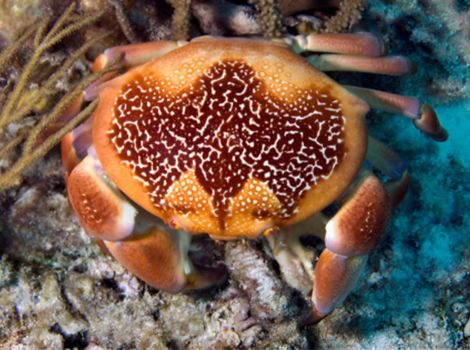
9. Xanthid Crab
The Xanthid Crab, often called the mud crab or pebble crab, belongs to the family Xanthidae. These crabs are known for their extremely thick, heavy claws and vibrant patterns. They typically measure 2–4 inches across and inhabit coral reefs and rocky crevices in tropical waters.
Despite their bold appearance, they are often shy and solitary. Many Xanthid crabs are poisonous if eaten, as they accumulate toxins from their diet of algae and small invertebrates. They are non-migratory and primarily active at night.
| Attributes | Quick facts |
|---|---|
| Size | 1–4 inches (2.5–10 cm) |
| Weight | Typically, a few ounces |
| Lifespan | 2–5 years |
| Habitat | Tropical and subtropical marine environments |
| Diet | Omnivorous; feeds on algae, detritus, and small invertebrates |
| Social Structure | Solitary |
| Conservation | Least Concern |
Fun fact: The toxins found in some Xanthid crabs, such as tetrodotoxin, are similar to those found in pufferfish and serve as a potent chemical defense against predators.
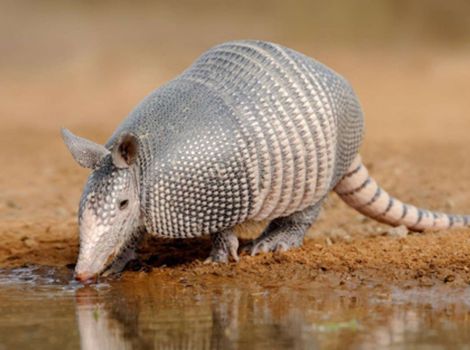
10. Xenarthra
Xenarthra is a superorder of mammals that includes anteaters, sloths, and armadillos. The name means “strange joints”, referring to the unique joints in their lower spines. These animals vary wildly in size, from the tiny Pink Fairy Armadillo to the massive Giant Anteater.
Native to Central and South America, they have low metabolic rates and specialized diets. Anteaters are toothless insectivores, sloths are slow-moving herbivores, and armadillos are generalist omnivores with protective shells. Though they lead very different lives, they share a common ancestor and unique anatomical traits.
| Attributes | Quick facts |
|---|---|
| Size | 5 in – 7 ft (13 cm – 2.1 m) |
| Weight | 3 oz – 120 lbs (85 g – 54 kg) |
| Lifespan | 10–20 years |
| Habitat | Tropical and subtropical regions of Central and South America |
| Diet | Insects, ants, termites, leaves, fruits, and flowers |
| Social Structure | Solitary |
| Conservation | Least Concern to Critically Endangered |
Fun fact: Sloths, members of the Xenarthra group, are so slow that algae can grow on their fur, providing them with green camouflage in the rainforest canopy.
11. Xiphosura
The Horseshoe Crab (Xiphosura) is an ancient arthropod often called a “living fossil” that has survived virtually unchanged for over 450 million years. Despite their name, they are more closely related to spiders and scorpions than true crabs.
Found in shallow coastal waters with sandy or muddy bottoms, they feed on worms and mollusks. Their bodies are protected by a hard, horseshoe-shaped carapace and a long tail (telson) used to flip themselves over. Their blue blood is famous in the medical field for its ability to detect bacterial contamination.

| Attributes | Quick facts |
|---|---|
| Size | 18–24 inches (46–60 cm) |
| Weight | 2–10 lbs (1–4.5 kg) |
| Lifespan | Approx. 20 years |
| Habitat | Coastal waters; sandy or muddy bottoms |
| Diet | Carnivorous/Scavenger |
| Social Structure | Solitary; congregates to spawn |
| Conservation | Vulnerable to Endangered |
Fun fact: Xiphosura have multiple eyes, including compound eyes on the sides of their shell, but they also have photoreceptors on their tails!
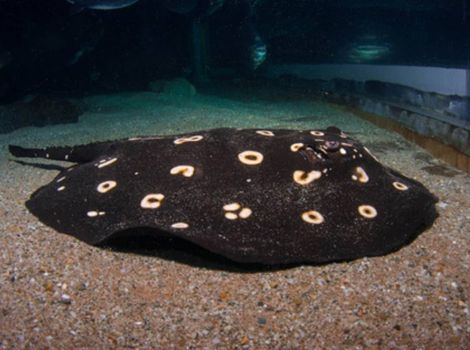
12. Xingu River Ray
The Xingu River Ray (Potamotrygon leopoldi) is a striking freshwater stingray found exclusively in the rocky riverbeds of the Xingu River in Brazil. These rays are jet black with vibrant white or yellow polka dots, making them highly prized in the aquarium trade.
They thrive in fast-flowing, oxygen-rich waters. As carnivores, they hunt small fish and crustaceans using their disc-shaped bodies to trap prey against the river bottom. They possess a venomous spine on their tail for defense.
| Attributes | Quick facts |
|---|---|
| Size | 15–24 inches (38–61 cm) diameter |
| Weight | 22–44 lbs (10–20 kg) |
| Lifespan | 10–15 years |
| Habitat | Freshwater; Xingu River Basin, Brazil |
| Diet | Small fish, crustaceans, and invertebrates |
| Social Structure | Solitary or in small groups |
| Conservation | Near Threatened |
Fun fact: Unlike marine rays, the Xingu River Ray is fully adapted to freshwater and cannot survive in salt water.
Now that we’ve explored animals starting with X, let’s dive into a specific category: mammals—fascinating creatures with diverse traits.
Mammals that start with X
The letter “X” does not bring many mammals to mind, but there are 3 fascinating creatures worth exploring.
| 13. Xanthippe’s Shrew | 14. Xalda Sheep | 15. Xerinae (Subfamily of Squirrels) |
Each one highlights the diversity of life with unique traits and adaptations.
Let’s discover 3 mammals starting with “X” and what makes them special:
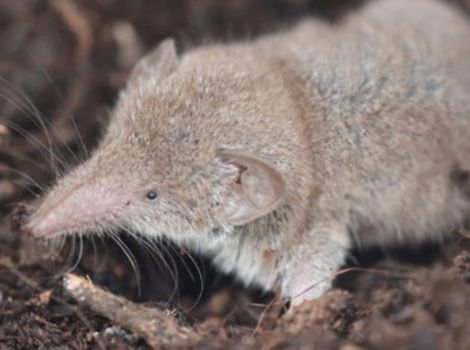
13. Xanthippe’s Shrew
Xanthippe’s Shrew (Crocidura xantippe) is a tiny mammal found in the dry savannas of East Africa (Kenya and Tanzania). Weighing just 0.2–0.5 ounces, these shrews are voracious insectivores. Their high metabolism requires them to eat frequently, hunting crickets and spiders at night. They are solitary and rely on their keen sense of smell to navigate their arid habitats.
| Attributes | Quick facts |
|---|---|
| Size | 3–4 inches (7.5–10 cm) |
| Weight | 0.3–0.5 oz (8–14 grams) |
| Lifespan | 1–2 years |
| Habitat | Arid and semi-arid regions of East Africa |
| Diet | Insects, spiders, and small invertebrates |
| Social Structure | Solitary |
| Conservation | Least Concern |
Fun fact: Shrews have such high metabolic rates that some species can starve to death if they go just a few hours without eating.
14. Xalda Sheep
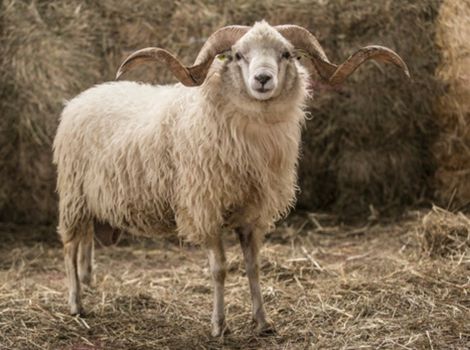
The Xalda Sheep is an ancient breed of domestic sheep native to the Asturias region of Spain. They are one of the oldest sheep breeds in Europe. Compact and agile, they are well-suited to the wet, mountainous terrain of their homeland. Their wool is often black or dark brown, and they are raised primarily for meat and wool conservation.
| Attributes | Quick facts |
|---|---|
| Size | 22–28 inches (55–70 cm) at the shoulder |
| Weight | 44–88 lbs (20–40 kg) |
| Lifespan | 10–12 years |
| Habitat | Mountainous regions; Asturias, Spain |
| Diet | Grass, herbs, and shrubs |
| Social Structure | Flock animals are highly social |
| Conservation | At Risk |
Fun fact: The Xalda breed was nearly extinct in the 20th century but has been revived through dedicated conservation efforts.
15. Xerinae (Subfamily of Squirrels)
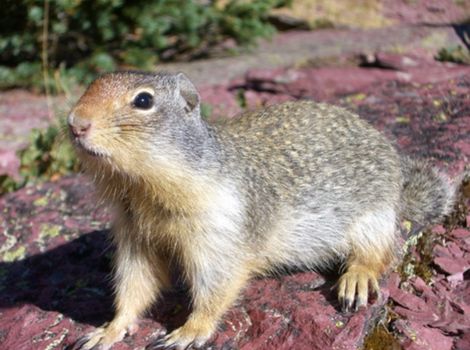
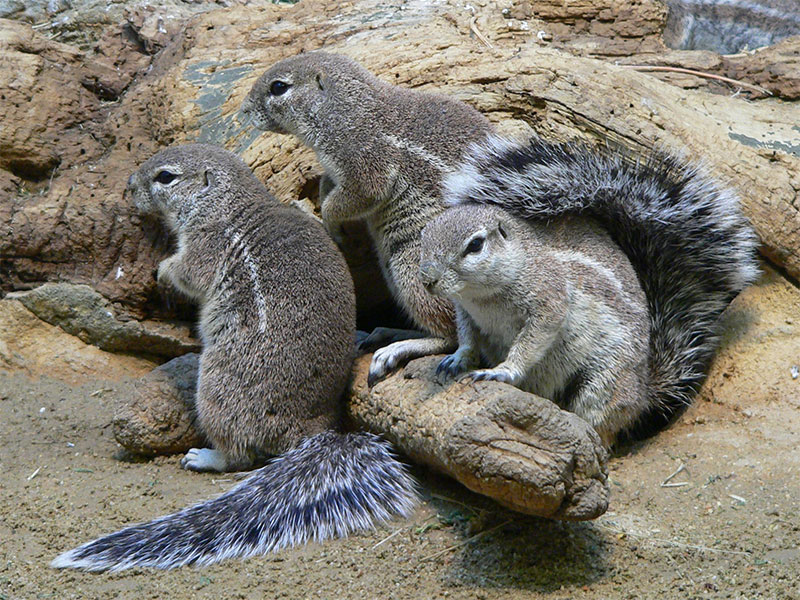
Xerinae is a subfamily of the squirrel family (Sciuridae) that includes ground squirrels, marmots, and prairie dogs. Unlike their tree-dwelling cousins, Xerinae species are adapted to life on the ground, often digging complex burrows in grasslands and savannas. They are social animals, often seen standing on their hind legs to scan for predators.
| Attributes | Quick facts |
|---|---|
| Size | 4–28 inches (10–70 cm) |
| Weight | 0.2–11 lbs (100 g – 5 kg) |
| Lifespan | 2–15 years |
| Habitat | Grasslands, savannas, forests, and mountains |
| Diet | Seeds, nuts, fruits, insects, and small vertebrates |
| Social Structure | Varies; highly social or solitary |
| Conservation | Least Concern |
Fun fact: Ground squirrels (Xerinae) contribute significantly to soil aeration through their extensive burrowing activities.
After exploring mammals starting with X, let’s shift our focus to reptiles—cold-blooded creatures known for their distinct characteristics and adaptations.
Reptiles that start with X
Reptiles are fascinating cold-blooded creatures, and even with the letter “X”, there are 4 intriguing examples to discover.
| 16. Xantus’ Leaf-Toed Gecko | 17. Xantusia (Night Lizards) |
| 18. Xenopholis Scalaris (Snake) | 19. Xerobates Agassizii (Desert Tortoise) |
Though rarer, these reptiles showcase the unique diversity within this animal group.
Let’s explore 4 reptiles that start with “X” and uncover their distinct characteristics:
16. Xantus’ Leaf-Toed Gecko
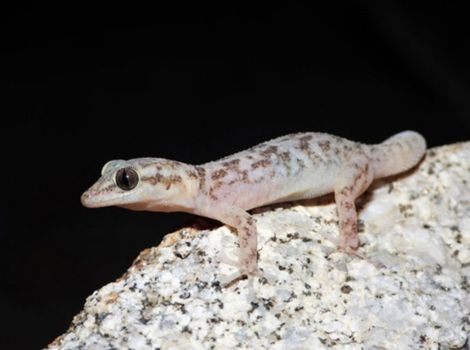
Native to Baja California, Xantus’ Leaf-Toed Gecko (Phyllodactylus xanti) is named for its specialized toes that resemble leaves. These “leaf toes” contain adhesive pads that allow them to climb vertical rock faces. They are nocturnal insectivores, hiding in deep rock crevices during the hot desert days.
| Attributes | Quick facts |
|---|---|
| Size | 2.5–4 inches (6.3–10 cm) including the tail |
| Weight | 0.1–0.2 oz (3–6 grams) |
| Lifespan | Estimated 5–10 years |
| Habitat | Arid and semi-arid regions, rocky outcrops, and scrublands in Baja California, Mexico |
| Diet | Insects and other small invertebrates |
| Social Structure | Solitary |
| Conservation | Least Concern |
Fun fact: If threatened, this gecko can drop its tail to distract predators, a process known as autotomy.
17. Xantusia (Night Lizards)
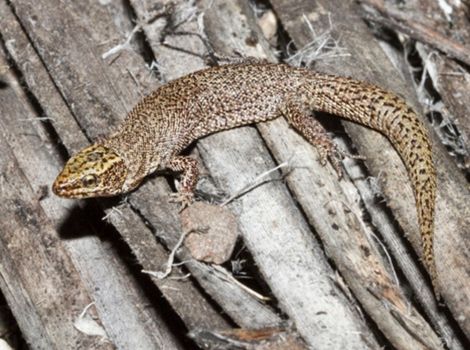
Xantusia is the genus name for Night Lizards. These small, secretive reptiles are found in the southwestern US and Mexico. Unlike most lizards that lay eggs, Xantusia species are viviparous, giving birth to live young. They are extremely sedentary, often spending their entire lives within a few square meters under a specific rock or fallen log.
| Attributes | Quick facts |
|---|---|
| Size | 2–4 inches (5–10 cm) including the tail |
| Weight | 0.1–0.2 oz (3–6 grams) |
| Lifespan | 10–20 years |
| Habitat | Deserts, rocky areas, and crevices in the southwestern United States and northern Mexico |
| Diet | Insects, spiders, and other small invertebrates |
| Social Structure | Solitary or small family groups |
| Conservation | Least Concern |
Fun fact: Xantusia lizards have a very low metabolic rate and can live surprisingly long for their size, sometimes up to 20 years!
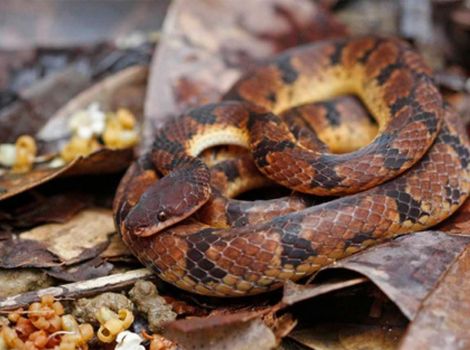
18. Xenopholis Scalaris (Snake)
The Wavy Snake (Xenopholis scalaris) is a non-venomous snake found in the rainforests of South America. It is named for the unique pattern on its back, which resembles waves or a ladder. This small, slender snake feeds primarily on frogs. It is often found hiding in leaf litter or low vegetation near water sources.
| Attributes | Quick facts |
|---|---|
| Size | 12–24 inches (30–60 cm) |
| Weight | Approximately 3–5 oz (85–140 grams) |
| Lifespan | Estimated 10–15 years in the wild |
| Habitat | Forested and open habitats in South America, particularly in Brazil, Bolivia, and Paraguay |
| Diet | Carnivorous; primarily feeds on small vertebrates like amphibians and lizards |
| Social Structure | Solitary |
| Conservation | Least Concern |
Fun fact: The Wavy Snake has a specialized spinal structure that allows it to flatten its body significantly, helping it slide into very tight spaces to escape predators or hunt.
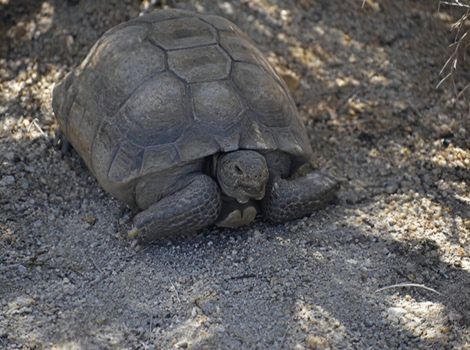
19. Xerobates Agassizii (Desert Tortoise)
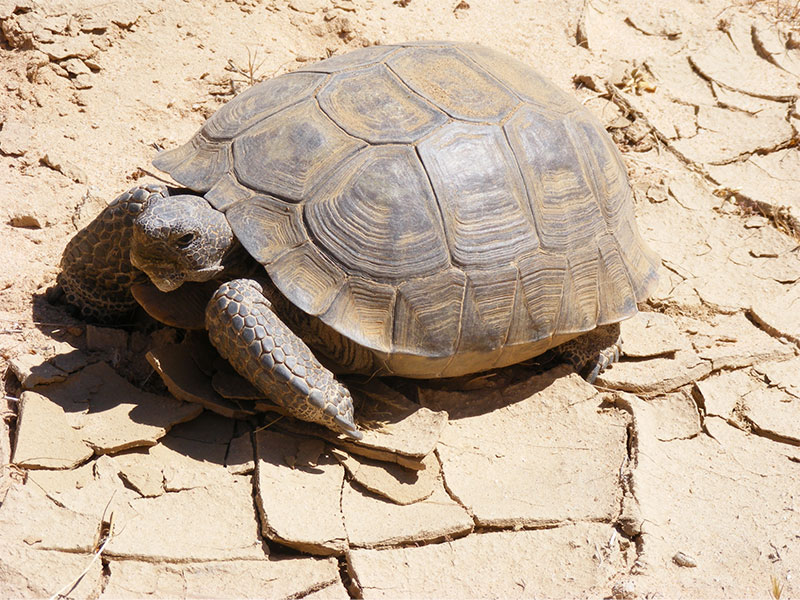
Better known as Agassiz’s Desert Tortoise, Xerobates agassizii is an icon of the American Southwest. These tortoises spend up to 95% of their lives in underground burrows to escape the desert heat. They are herbivores, feasting on wildflowers and cacti during the brief wet seasons to store water for the dry months.
| Attributes | Quick facts |
|---|---|
| Size | 9–15 inches (23–38 cm) |
| Weight | 8–15 lbs (3.6–6.8 kg) |
| Lifespan | 50–80 years |
| Habitat | Deserts and arid regions in the southwestern United States and northwestern Mexico |
| Diet | Herbivorous: grasses, cacti, wildflowers, and shrubs |
| Social Structure | Solitary, but may share burrows during hibernation |
| Conservation | Threatened |
Fun fact: Desert tortoises can store water in their bladder for months and reabsorb it to stay hydrated during droughts.
Having explored reptiles starting with X, let’s now turn our attention to birds—feathered creatures with remarkable traits and abilities.
Birds that start with X
Birds are remarkable for their diversity and adaptability, and even with the rare letter “X”, there are 5 fascinating examples to explore.
| 20. Xantus’s Hummingbird | 21. Xolmis (Flycatchers) | 22. Xavier’s Greenbul |
| 23. Xantus’s Murrelet | 24. Xinjiang Ground Jay |
These birds showcase the variety within the avian world, with unique traits and habitats.
Let’s take a closer look at 5 birds starting with “X” and uncover what makes them captivating:
20. Xantus’s Hummingbird
Endemic to the Baja California peninsula, Xantus’s Hummingbird (Basilinna xantusii) is a medium-sized hummingbird characterized by a green back, a cinnamon-colored belly, and a bold white stripe behind the eye. These birds are fiercely territorial and can be found in arid scrublands, canyons, and gardens.
They feed primarily on nectar from agave and flowering trees. Still, they are also agile flycatchers, snatching small insects mid-air to supplement their diet with essential protein, especially during the breeding season.

| Attributes | Quick facts |
|---|---|
| Size | 3.5–4 inches (9–10 cm) |
| Weight | 0.1–0.2 oz (3–5 grams) |
| Lifespan | 4–5 years (average) |
| Habitat | Dry forests, scrublands, and coastal areas of Baja California, Mexico |
| Diet | Nectar from flowers and small insects for protein |
| Social Structure | Solitary |
| Conservation | Least Concern |
Fun fact: Despite their tiny size, they are quite vocal; their call is a loud, dry, rattling chatter that is often heard before the bird is seen.
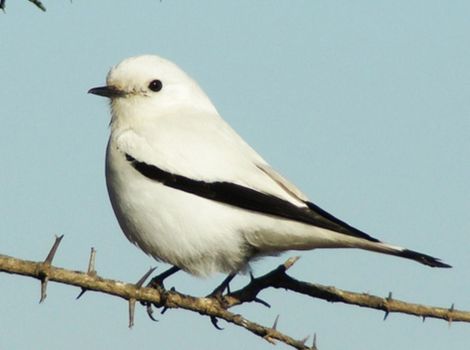
21. Xolmis (Flycatchers)
Xolmis is a genus of South American flycatchers, often referred to locally as “Monjitas”. These birds are conspicuous inhabitants of open grasslands and pampas in Argentina, Brazil, and Uruguay. They are predominantly white, gray, and black, making them easy to spot as they perch on fence posts or the tops of bushes.
Unlike birds that forage in dense canopies, Monjitas hunt by “sallying”, waiting patiently on a high perch and then swooping down swiftly to capture insects on the ground.
| Attributes | Quick facts |
|---|---|
| Size | 6–9 inches (15–23 cm), depending on species |
| Weight | 1.1–2.3 oz (30–65 grams) |
| Lifespan | 5–8 years |
| Habitat | Grasslands, savannas, and open areas in South America |
| Diet | Insects and small invertebrates |
| Social Structure | Solitary or in pairs |
| Conservation | Least Concern |
Fun fact: The name “Monjita” translates to “little nun” in Spanish, a reference to their stark, contrasting black-and-white plumage that resembles a traditional nun’s habit.
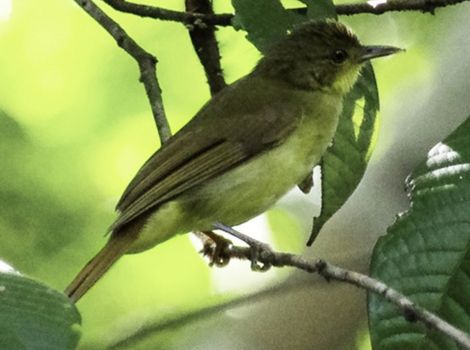
22. Xavier’s Greenbul
Xavier’s Greenbul (Phyllastrephus xavieri) is a secretive songbird dwelling in the dense undergrowth of Central African rainforests. As their name suggests, they sport olive-green plumage that offers perfect camouflage against the mossy, leafy environment. Because they are so difficult to see, they are often identified by their melodious, bubbling calls.
They are social birds, frequently moving in small family groups or joining mixed-species flocks to forage for insects and berries in the middle levels of the forest.
| Attributes | Quick facts |
|---|---|
| Size | 6–7 inches (15–18 cm) |
| Weight | 0.9–1.2 oz (25–35 grams) |
| Lifespan | 5–10 years |
| Habitat | Subtropical and tropical moist lowland forests in Central Africa |
| Diet | Fruits, berries, and insects |
| Social Structure | Often found in small groups or mixed-species flocks |
| Conservation | Least Concern |
Fun fact: Greenbuls are known as “cooperative breeders”, meaning that young birds from previous broods often stay behind to help their parents raise the new clutch of chicks.
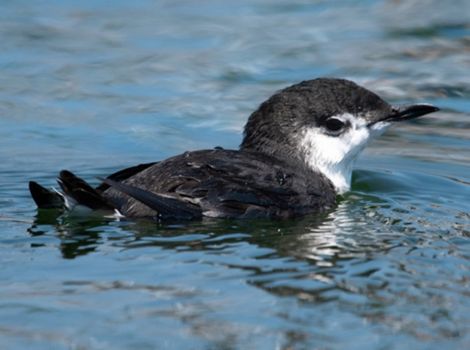
23. Xantus’s Murrelet
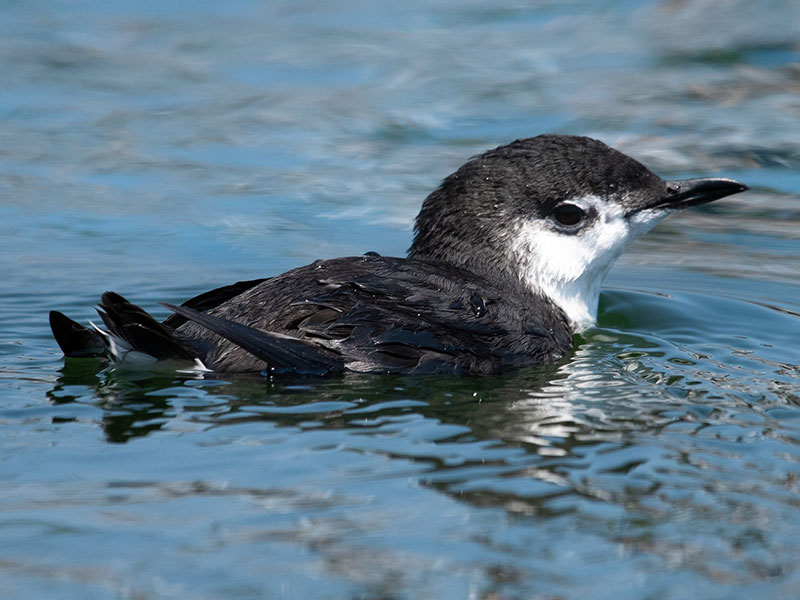
Xantus’s Murrelet (Synthliboramphus hypoleucus) is a small, black-and-white seabird found in the California Current system. They breed in crevices and caves on rocky offshore islands to avoid predators.
A unique characteristic of this species is that its chicks are “precocial”. Just two days after hatching, the tiny, downy chicks leave the safety of the nest and tumble down the cliffs to the ocean, where they immediately swim out to sea accompanied by their parents to grow up on the open water.
| Attributes | Quick facts |
|---|---|
| Size | 8–10 inches (20–25 cm) |
| Weight | 5–6 oz (140–170 grams) |
| Lifespan | 10–15 years |
| Habitat | Coastal waters and offshore islands in the Pacific Ocean (southern California to Baja California) |
| Diet | Small fish, plankton, and crustaceans |
| Social Structure | Monogamous; forms pairs during breeding season |
| Conservation | Near Threatened |
Fun fact: To avoid predation by gulls and falcons, these birds are strictly nocturnal when visiting their nesting colonies on land.
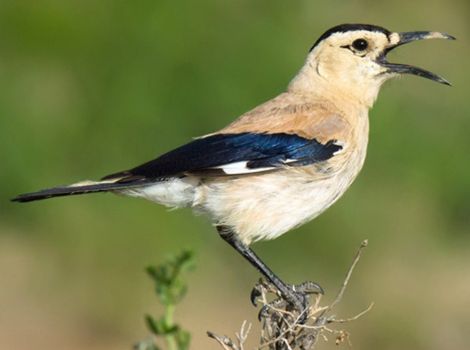
24. Xinjiang Ground Jay
The Xinjiang Ground Jay (Podoces biddulphi) is a rare corvid endemic to the sandy Taklamakan Desert of China. Unlike most jays, which are arboreal, this species is adapted for a terrestrial life. It possesses long, powerful legs for running across soft dunes and a curved bill for digging.
They are omnivorous scavengers, foraging for lizards, insects, and seeds. Because their desert habitat is so harsh and sparsely vegetated, they rarely fly, preferring to run from danger.
| Attributes | Quick facts |
|---|---|
| Size | 9–11 inches (23–28 cm) |
| Weight | 3–5 oz (85–140 grams) |
| Lifespan | 5–10 years |
| Habitat | Arid deserts and semi-deserts of northwestern China (Xinjiang region) |
| Diet | Insects, seeds, berries, and small reptiles |
| Social Structure | Solitary or in pairs, often territorial |
| Conservation | Near Threatened |
Fun fact: It is the only bird species completely endemic to the Taklamakan Desert, making it an important biological symbol of this extreme environment.
Fish that start with X
The underwater world is full of fascinating fish, including 4 names starting with the letter “X”.
| 25. Xestochilus Nebulosus | 26. Xantic Sargo |
| 27. Xingu Corydoras/span> | 28. Xestus Sabretooth Blenny |
Though less common, these fish highlight the incredible diversity of aquatic life. With unique adaptations and striking appearances, they offer an exciting glimpse into marine and freshwater ecosystems.
Let’s dive in and explore these captivating creatures!
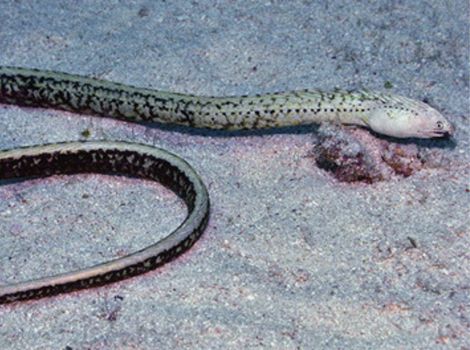
25. Xestochilus Nebulosus
Xestochilus Nebulosus is a species of snake eel found in the tropical waters of the Indo-Pacific. Unlike typical fish, they have an elongated, limbless body that allows them to move effortlessly through crevices and burrows.
They inhabit sandy bottoms and seagrass beds, often burying themselves tail-first in the sand to ambush prey or hide from predators. Their spotted or “nebulous” pattern provides excellent camouflage against the textured ocean floor.
| Attributes | Quick facts |
|---|---|
| Size | 1–2 inches (2.5–5 cm) |
| Weight | Less than 0.1 oz (a few grams) |
| Lifespan | 1–2 years |
| Habitat | Aquatic environments, such as ponds, streams, or marshy areas |
| Diet | Likely feeds on algae and small microorganisms |
| Social Structure | Solitary |
| Conservation | Data Deficient |
Fun fact: This eel has a hard, pointed tail tip specifically adapted for burrowing backward into the sand, allowing it to disappear in seconds.
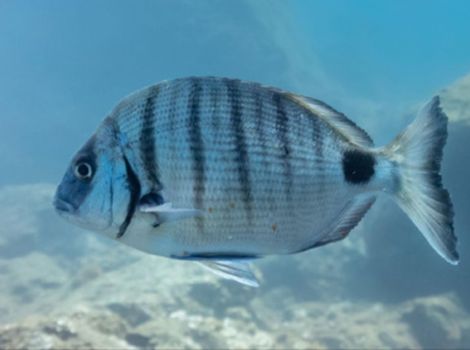
26. Xantic Sargo
The Xantic Sargo (Anisotremus davidsonii), also known as the California Sargo, is a marine fish found in the Eastern Pacific. They have a deep, compressed body with a silvery-gold luster and a distinctive dark vertical bar running across their sides.
Inhabiting rocky reefs and kelp forests, they are bottom feeders equipped with strong teeth to crush the hard shells of crustaceans and mollusks. They often form schools to protect against larger predators, such as seals.
| Attributes | Quick facts |
|---|---|
| Size | 10–18 inches (25–46 cm) |
| Weight | 1–4 lbs (0.5–1.8 kg) |
| Lifespan | 10–15 years |
| Habitat | Coastal waters, rocky reefs, and kelp forests of the eastern Pacific Ocean |
| Diet | Omnivorous; feeds on algae, small invertebrates, and crustaceans |
| Social Structure | Often found in small schools |
| Conservation | Least Concern |
Fun fact: Like other members of the grunt family, they can produce a “grunting” sound by grinding their pharyngeal teeth together, a noise amplified by their air-filled swim bladder.
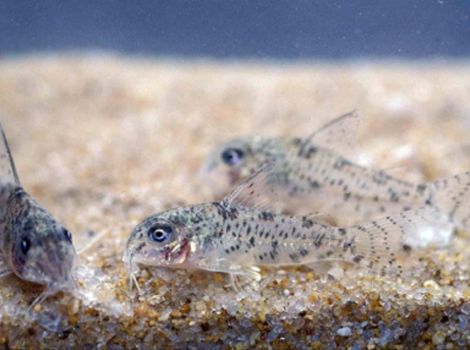
27. Xingu Corydoras
The Xingu Corydoras (Corydoras xinguensis) is a peaceful freshwater catfish native to the Xingu River basin in Brazil. Popular in the aquarium trade, these small fish feature a pinkish-white body covered in black speckles.
They are bottom-dwellers, using their sensitive barbels (whiskers) to scavenge for food in the substrate. Instead of scales, their bodies are protected by overlapping bony plates called scutes, which provide armor against small predators in their river habitat.
| Attributes | Quick facts |
|---|---|
| Size | 1.5–2.5 inches (4–6 cm) |
| Weight | Less than 1 oz (a few grams) |
| Lifespan | 5–10 years |
| Habitat | Freshwater rivers and streams in the Xingu River Basin, Brazil |
| Diet | Omnivorous; consumes small invertebrates, detritus, and plant matter |
| Social Structure | Shoaling (lives in groups) |
| Conservation | Least Concern |
Fun fact: Corydoras possess a primitive form of lung respiration; they can dash to the water’s surface to gulp atmospheric air, which is then absorbed by their specialized intestine.
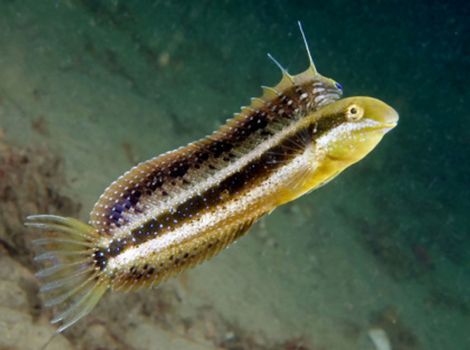
28. Xestus Sabretooth Blenny
The Xestus Sabretooth Blenny (Plagiotremus rhinorhynchos) is a small marine fish found in coral reefs of the Indo-Pacific.
It is a master of disguise, evolving to look nearly identical to the harmless Cleaner Wrasse. However, instead of cleaning parasites off other fish, the Blenny uses this mimicry to get close to larger fish without suspicion. Once in range, it strikes quickly, using its large fangs to bite off a chunk of fin or skin before darting away.
| Attributes | Quick facts |
|---|---|
| Size | 4–5 inches (10–13 cm) |
| Weight | Less than 1 oz (a few grams) |
| Lifespan | 2–4 years |
| Habitat | Coral reefs and rocky areas in the Indo-Pacific region |
| Diet | Omnivorous; feeds on plankton, small invertebrates, and algae |
| Social Structure | Solitary or found in small groups |
| Conservation | Least Concern |
Fun fact: This deceptive behavior is known in biology as “aggressive mimicry”, where a predator resembles a harmless species to gain access to prey.
Having explored fish starting with X, let’s now jump into the realm of amphibians—versatile creatures that thrive both in water and on land.
Amphibians that start with X
Amphibians starting with “X” are rare and fascinating, showcasing unique traits that help them adapt to both land and water.
Let’s explore these extraordinary creatures!
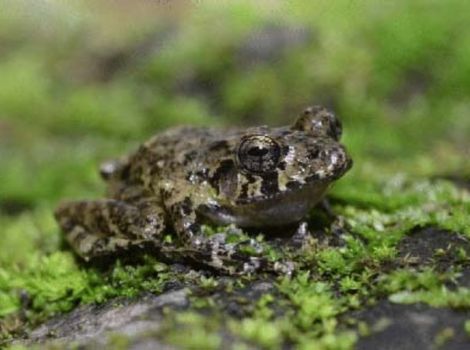
29. Xucaneb Robber Frog
The Xucaneb Robber Frog (Craugastor xucanebi) is a rare amphibian species endemic to the cloud forests of central Guatemala. It typically has a brownish-gray coloration that mimics the forest floor, aiding in camouflage.
A key characteristic of this genus is that it bypasses the aquatic tadpole stage entirely. Females lay eggs in moist soil or leaf litter, and miniature, fully formed frogs hatch directly from the eggs. This adaptation allows them to survive in mountainous areas lacking standing water.
| Attributes | Quick facts |
|---|---|
| Size | 1.5–2 inches (4–5 cm) |
| Weight | Less than 1 oz (a few grams) |
| Lifespan | Estimated 3–5 years |
| Habitat | Cloud forests in the Xucaneb region of Guatemala |
| Diet | Insects and other small invertebrates |
| Social Structure | Solitary |
| Conservation | Endangered |
Fun fact: The “direct development” life cycle is an evolutionary strategy that reduces the high mortality rate usually associated with vulnerable aquatic tadpoles.
Now that we’ve explored amphibians, let’s turn our attention to insects—tiny, diverse creatures that are crucial to ecosystems.
Insects that start with X
Insects starting with “X” are quite rare, but they reveal the incredible diversity of the insect world. Here are 2 fascinating examples:
| 30. Xuthus Swallowtail (Butterfly) | 31. Xylophagous Leafhopper |
Let’s take a closer look at these unique creatures!
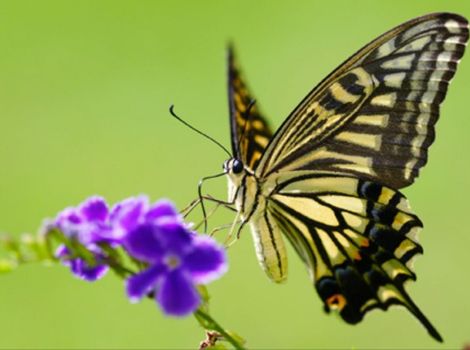
30. Xuthus Swallowtail (Butterfly)
The Xuthus Swallowtail (Papilio xuthus), also known as the Asian Swallowtail, is a common and beautiful butterfly found across East Asia. The adults have cream-colored wings with bold black veins and blue/orange markings on the hindwings.
They are frequently seen in urban gardens and citrus orchards. Their life cycle is a marvel of survival; the larvae (caterpillars) initially resemble bird droppings to deter predators, later developing a green camouflage pattern as they grow larger and prepare to pupate.
| Attributes | Quick facts |
|---|---|
| Size | Wingspan: 3.1–4.3 inches (8–11 cm) |
| Weight | Less than 0.1 oz (a few grams) |
| Lifespan | Approximately 1–2 months as an adult butterfly |
| Habitat | Forests, gardens, and open areas across East Asia, including China, Japan, and Korea |
| Diet | Caterpillars feed on citrus plants; adults feed on nectar from flowers |
| Social Structure | Solitary |
| Conservation | Least Concern |
Fun fact: The caterpillars possess an organ called an osmeterium, a forked, orange horn that pops out from behind their head to release a foul smell when threatened.
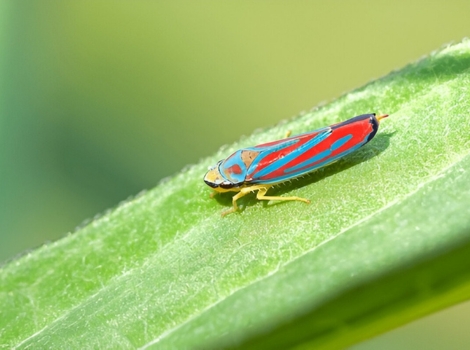
31. Xylophagous Leafhopper
The term “xylophagous” refers to insects that feed on wood or xylem fluid, and Xylophagous Leafhoppers are specialized feeders within the Cicadellidae family. These insects tap into the plant’s xylem vessels to drink the nutrient-poor sap. Because xylem fluid is mostly water, these leafhoppers must consume and excrete massive amounts of liquid to get enough energy to survive.
They are significant in agriculture because their feeding habits can transmit bacterial diseases between plants, such as Pierce’s disease in grapes.
| Attributes | Quick facts |
|---|---|
| Size | 0.1–0.5 inches (2.5–13 mm), depending on species |
| Weight | Less than 0.1 oz (a few milligrams) |
| Lifespan | A few weeks to several months, depending on species and environmental conditions |
| Habitat | Forests, woodlands, and areas with abundant plant growth |
| Diet | Xylophagous; feeds on sap and xylem fluids of woody plants |
| Social Structure | Solitary |
| Conservation | Least Concern |
Fun fact: Due to their liquid-heavy diet, these insects are sometimes called “sharpshooters” because they forcibly eject droplets of fluid waste (honeydew) from their bodies.
Having explored insects, let’s broaden our focus to other animals—fascinating creatures that inhabit various environments across the globe.
Other animals that start with X
Beyond the more familiar categories, there are even more fascinating animals that start with “X.” These 2 creatures, from different classifications, highlight the incredible diversity and uniqueness of the animal kingdom.
| 32. Xantus’ Swimming Crab | 33. Xenophyophores (Deep Sea Organism) |
Let’s dive into these extraordinary examples!
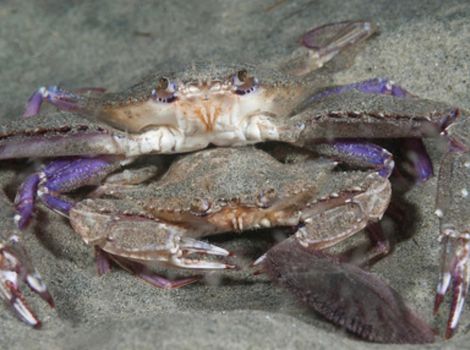
32. Xantus’ Swimming Crab
Xantus’ Swimming Crab (Portunus xantusii) is a small but agile crustacean found in the sandy coastal waters and mudflats of the Eastern Pacific.
Unlike many crabs that crawl on the seafloor, this species has its last pair of legs modified into flattened, paddle-like structures called swimmerets. These paddles allow them to swim rapidly through the water column to escape predators or chase down small fish and fast-moving prey, making them versatile hunters.
| Attributes | Quick facts |
|---|---|
| Size | 2–4 inches (5–10 cm) across the carapace |
| Weight | Typically, a few ounces |
| Lifespan | Estimated 2–3 years |
| Habitat | Coastal waters, sandy and muddy bottoms, from the Gulf of California to Central America |
| Diet | Omnivorous; feeds on small fish, mollusks, algae, and detritus |
| Social Structure | Solitary, though it aggregates in favorable habitats |
| Conservation | Least Concern |
Fun fact: Their swimming ability is so effective that they can even catch prey mid-water, a rare skill among bottom-dwelling crabs.
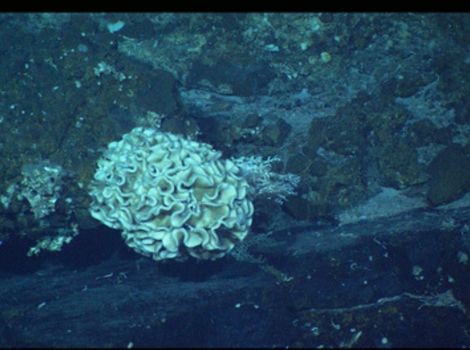
33. Xenophyophores (Deep Sea Organism)
Xenophyophores are extraordinary, giant single-celled organisms (protists) found exclusively in the deep ocean, often in abyssal plains and trenches. They build delicate, complex outer shells (tests) using glued-together sediment and organic debris. These structures can grow surprisingly large, up to 8 inches in diameter, making them some of the largest individual cells on Earth.
They play a critical ecological role by providing microhabitats for other deep-sea organisms and by recycling organic matter that drifts down from the surface.
| Attributes | Quick facts |
|---|---|
| Size | 4–10 inches (10–25 cm), though some species are smaller |
| Weight | Extremely lightweight (mostly cytoplasm and shell debris) |
| Lifespan | Unknown, potentially decades or longer |
| Habitat | Deep-sea environments, typically below 500 meters, are on the ocean floor |
| Diet | Detritivorous; feeds on organic particles in sediment |
| Social Structure | Solitary |
| Conservation | Least Concern |
Fun fact: Xenophyophores are incredibly fragile; they are so delicate that collecting them intact is nearly impossible, often crumbling into dust when brought to the surface.
FAQs about Animals That Start with “X”:
What are Zoo Animals that Start With X?
Here are the top 5 Animals that are popular in the zoo:
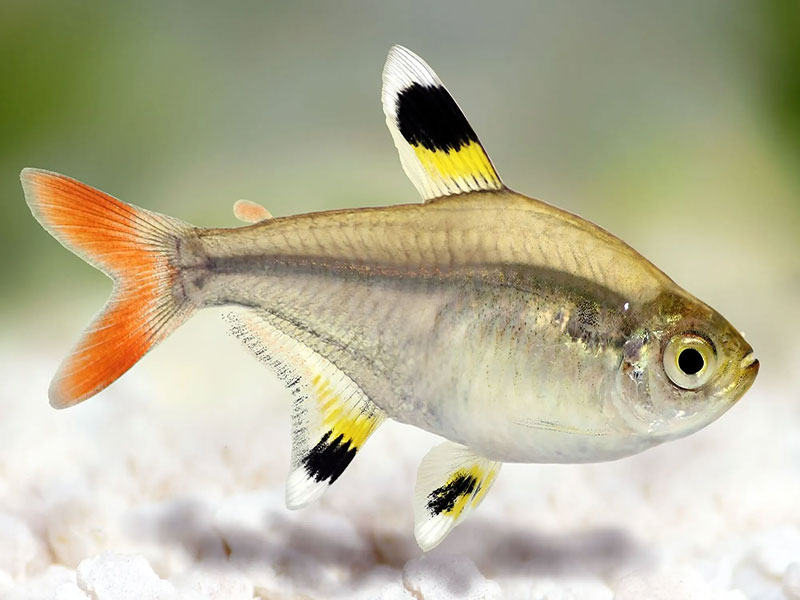
- 1. X-Ray Tetra (Pristella maxillaris): A small freshwater fish with a translucent body and a distinctive black patch resembling an X-ray. It is known for its peaceful temperament and shoaling behavior, making it a popular choice for community aquariums. These tetras thrive in well-maintained aquariums with ample vegetation and open swimming spaces.
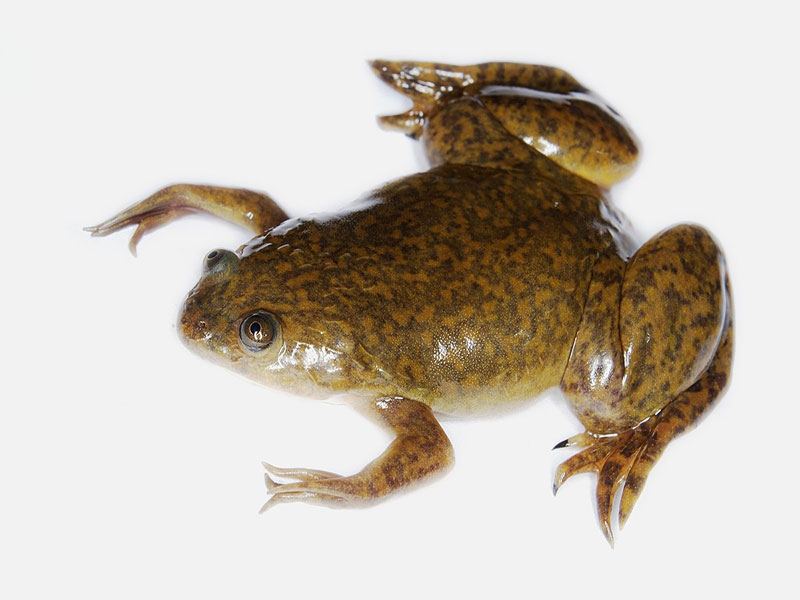
- 2. Xenopus (Xenopus laevis): Also known as the African clawed frog, it is an aquatic amphibian with a flattened body and distinctive claw-like webbed feet. These frogs are known for their unique reproductive behaviors and their use as model organisms in scientific studies, making them popular attractions in some specialized zoos.
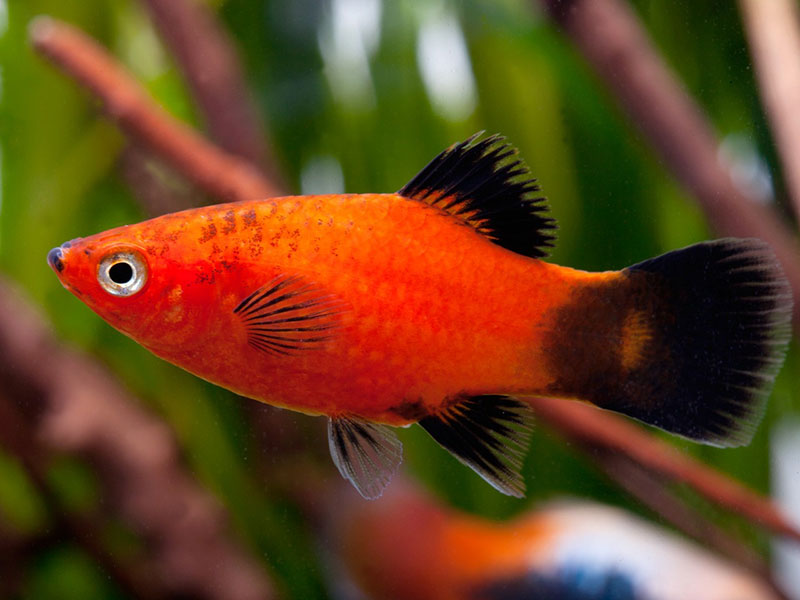
- 3. Xiphophorus maculatus (Platyfish): It originates from the freshwater habitats of Central America. This freshwater fish species is known for its vibrant color patterns and its popularity in the aquarium trade. It is characterized by its peaceful temperament and its adaptability to various water conditions, making it a suitable choice for community aquariums with other peaceful fish species.
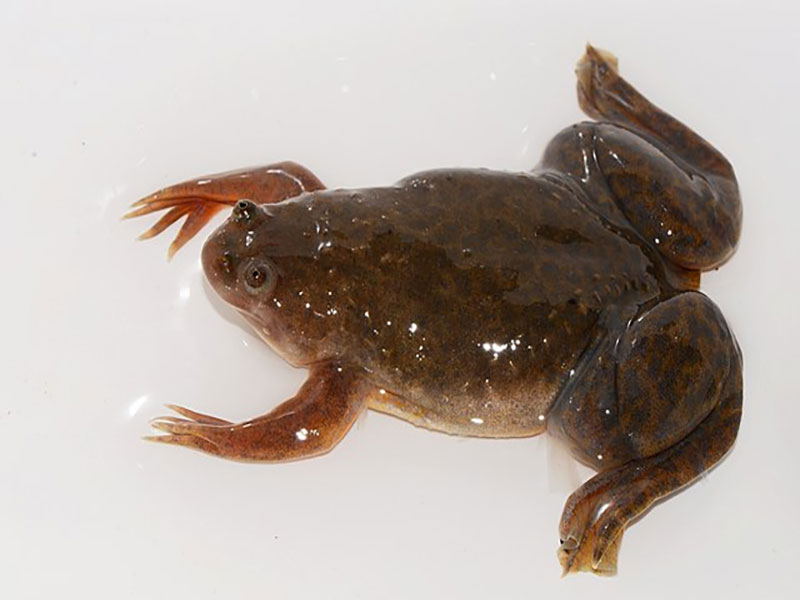
- 4. Xenopus borealis (Cape Platanna): This aquatic frog species is known for its unique vocalizations and its adaptations to various freshwater habitats in southern Africa. It is recognized for its contributions to scientific research in embryology and developmental biology, making it a valuable model organism in laboratory settings.
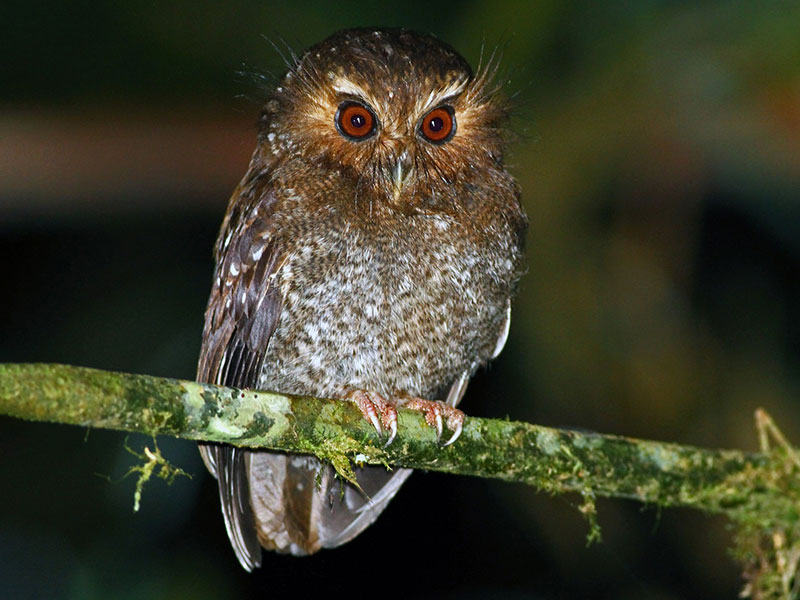
- 5. Xenoglaux loweryi (Long-whiskered Owlet): This small owl species is known for its nocturnal habits and its presence in the cloud forests and montane regions of the Andes in South America. It is recognized for its distinctive facial disc and elongated facial feathers, which give it the appearance of long whiskers and contribute to its camouflage and sensory perception during nighttime hunting.
What are Desert Animals Beginning With X?
Here are the top 5 Animals that are popular in the desert:
- 1. Xerus (Xerus inauris): Also known as the South African ground squirrel, it is a small mammal characterized by its striped back and bushy tail. These squirrels are adapted to arid and semi-arid habitats, where they forage for seeds and plant matter. They constructed elaborate burrow systems to escape the intense desert heat and store food.
- 2. Xantus’ Murrelet (Synthliboramphus hypoleucus): This seabird is known for its unique nesting habits in rocky crevices and cliffs along coastal regions. It has distinctive black-and-white plumage and is adapted to marine environments, where it dives to feed on small fish and invertebrates. It is commonly found along the coasts of the northeastern Pacific Ocean.
- 3. Xerobates agassizii (Desert Tortoise): This terrestrial reptile is known for its high-domed carapace and ability to withstand arid and desert environments. It is native to the southwestern United States and northern Mexico, where it forages on various desert plants and vegetation. It is recognized for its longevity and its role in conserving desert ecosystems.
- 4. Xerinae (Pygmy Gerbils): This subfamily of small rodents is adapted to arid and desert environments in Africa and Asia. It is recognized for its burrowing behavior and its ability to survive the extreme heat and limited water availability of desert ecosystems, where it forages on seeds and plant matter to meet its energy requirements.
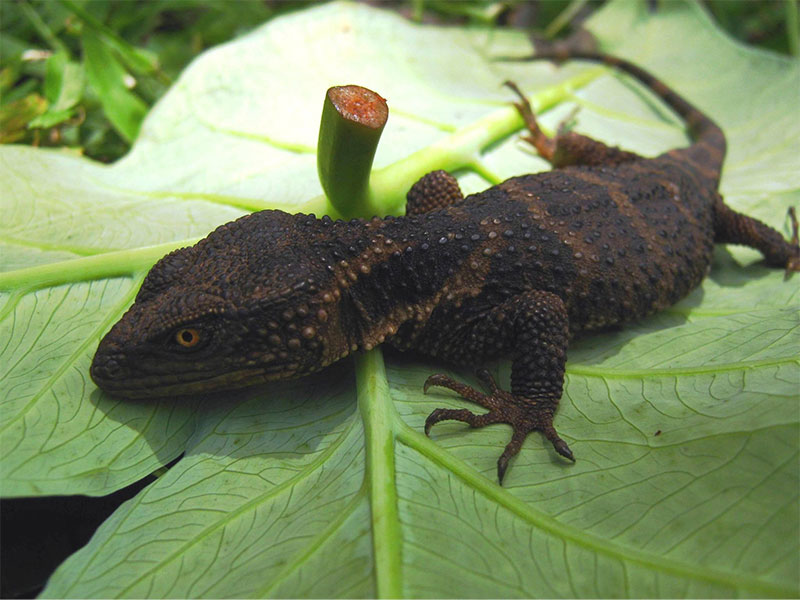
- 5. Xenosaurus grandis (Giant Mexican Alligator Lizard): This large lizard species is found in arid and semi-arid regions of Mexico. It is recognized for its robust body and its adaptation to rocky habitats, where it uses its strong limbs and powerful tail to climb and maneuver through rugged terrain. It is primarily herbivorous, feeding on a variety of plants and vegetation.
What are Dangerous Animals Starting With X?
Here are the top 3 Animals that are dangerous:
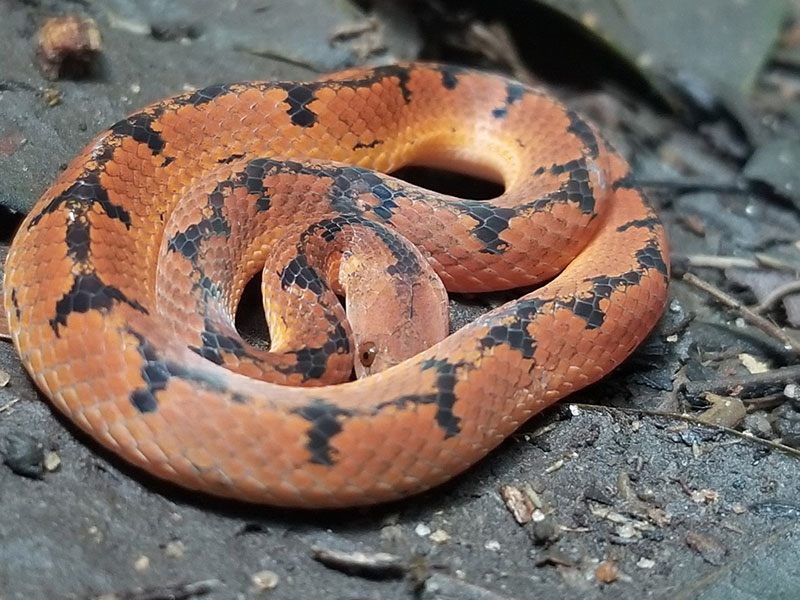
- 1. Xenopholis scalaris (Eyelash Palm Pitviper): This venomous snake species, also known as the Eyelash Palm Pitviper, is recognized for its potent hemotoxic venom and its presence in the forests and palm plantations of Central and South America. It is characterized by its distinctive scales resembling eyelashes, which enhance its camouflage among the foliage. It has a potentially dangerous bite and poses a threat to unsuspecting individuals and wildlife within its habitat, making it a notable concern in the regions it inhabits.
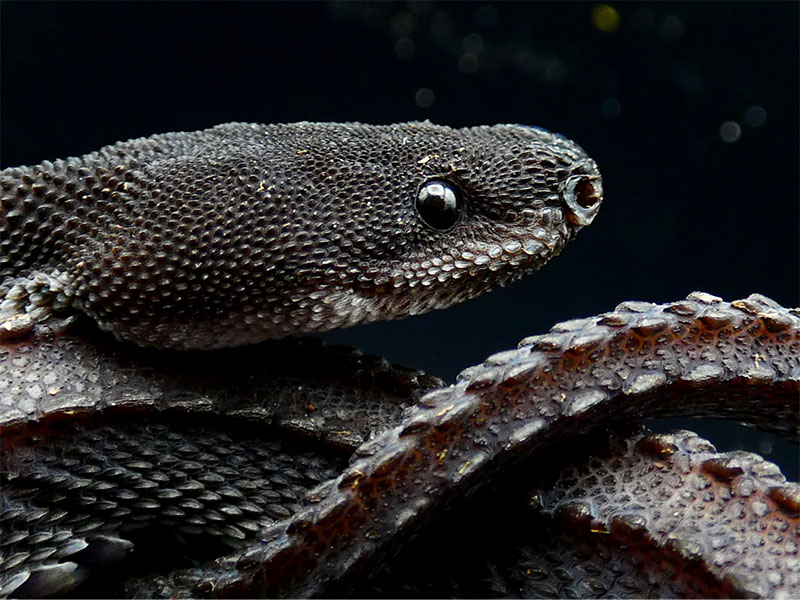
- 2. Xenodermus javanicus (Javan File Snake): This non-venomous snake species possesses defensive behaviors and is known for its unique scales that resemble the texture of file-like surfaces. It is found in the forests and wetlands of Southeast Asia. It is recognized for its cryptic appearance and its potential to startle or intimidate predators with its defensive displays, making it a notable part of the local ecosystem despite its relatively mild threat to humans.
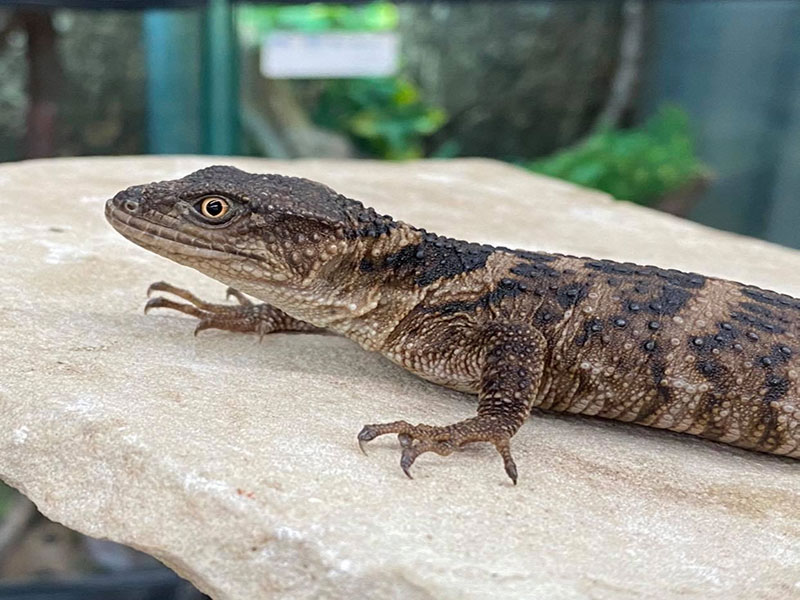
- 3. Xenosaurus grandis (Giant Mexican Alligator Lizard): This large lizard species possesses sharp teeth and a powerful bite. Found in the arid and semi-arid regions of Mexico, it is known for its defensive behaviors and its ability to inflict painful bites when provoked or handled carelessly. Its robust body and strong limbs make it a formidable presence in its natural habitat, emphasizing the importance of respecting its space and avoiding unnecessary interactions.
What is the dinosaur that starts with X?
Here are the top 5 popular dinosaurs:
- 1. Xenoceratops (Xenoceratops Foremostensis): This was a herbivorous dinosaur characterized by its distinct frill adorned with multiple bony projections. It belonged to the ceratopsid family and inhabited the prehistoric landscapes of North America during the Late Cretaceous period. Its unique frill likely played a role in display and species recognition within its social groups.
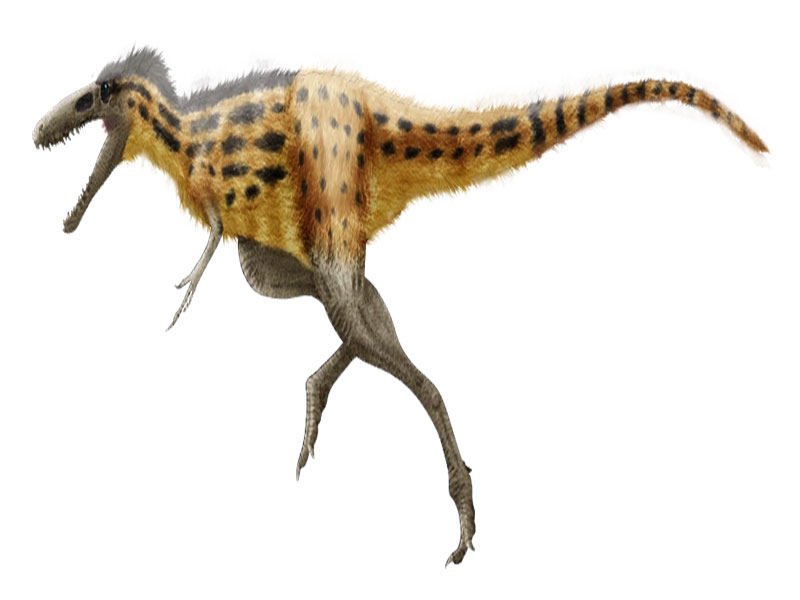
- 2. Xiongguanlong Bhamoensis: Also known as the “Bhamo Tyrant”, is a theropod dinosaur that inhabited the lush landscapes of ancient China during the Early Cretaceous period, approximately 125 million years ago. Despite its relatively small size compared to later tyrannosaurs, it had a slender build, long hind limbs, and sharp, serrated teeth, indicating agile hunting abilities. This transitional species provided valuable insights into the evolutionary history of the tyrannosaur lineage, showcasing the diverse forms that existed before the emergence of the more recognizable and massive tyrannosaurs.
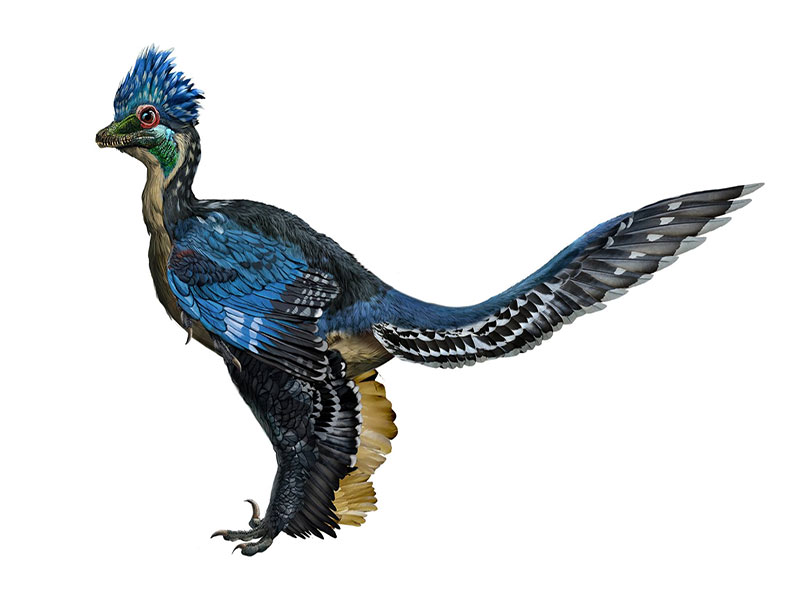
- 3. Xiaotingia (Xiaotingia Zhengi): This small feathered dinosaur is known for its bird-like features and its role in the understanding of avian evolution. It belonged to the theropod group and inhabited the forests of China during the Late Jurassic period. Its discovery provided crucial insights into the evolutionary link between dinosaurs and modern birds.
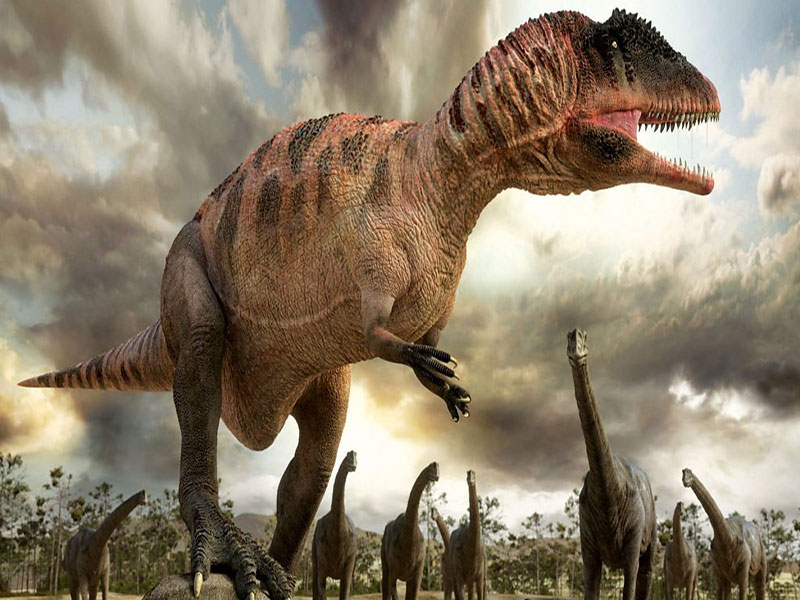
- 4. Xiaosaurus Dashanpensis: This small herbivorous dinosaur is known from the fossil record of China and played a role in the evolutionary history of early ornithischian dinosaurs. It lived during the Jurassic period and is recognized for its bipedal stance and its adaptations for herbivorous feeding, contributing to our understanding of the diverse dinosaur ecosystems of ancient China.
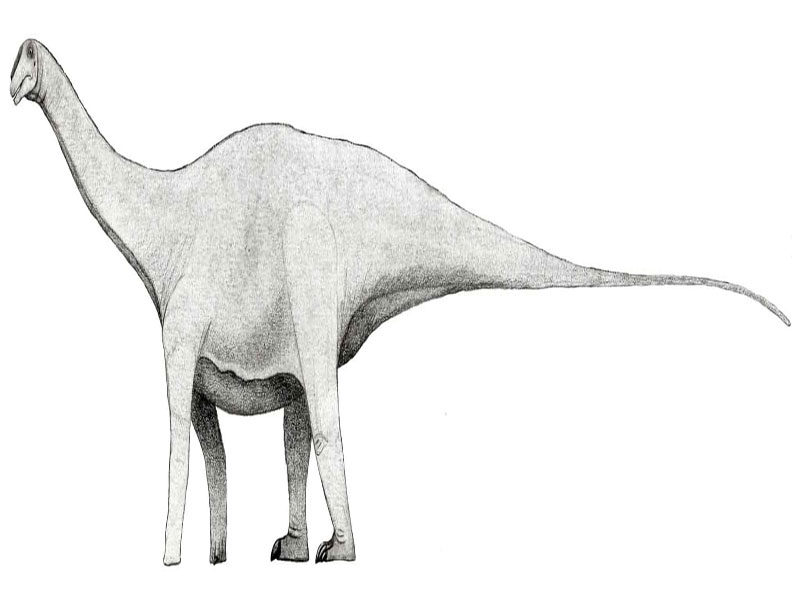
- 5. Xenoposeidon Proneneukos: This extinct sauropod dinosaur is known from the European fossil record and played a role in Late Jurassic ecosystems. It is recognized for its large size and herbivorous feeding habits, which contribute to understanding ancient terrestrial environments and the evolutionary history of long-necked herbivorous dinosaurs.
What are the extinct animals that start with X?
Here are the top 5 extinct animals that are popular:
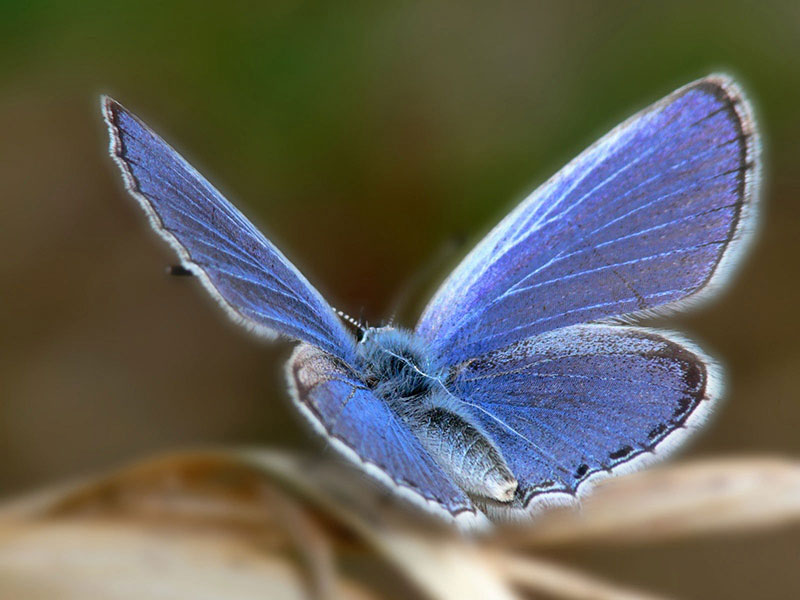
- 1. Xerces Blue (Glaucopsyche xerces): This butterfly species was native to the coastal dunes of the San Francisco Bay Area and is recognized for its small size and vibrant blue coloration. It became extinct in the mid-20th century due to habitat loss and the widespread use of pesticides, highlighting the vulnerability of butterfly populations to human-induced environmental changes.
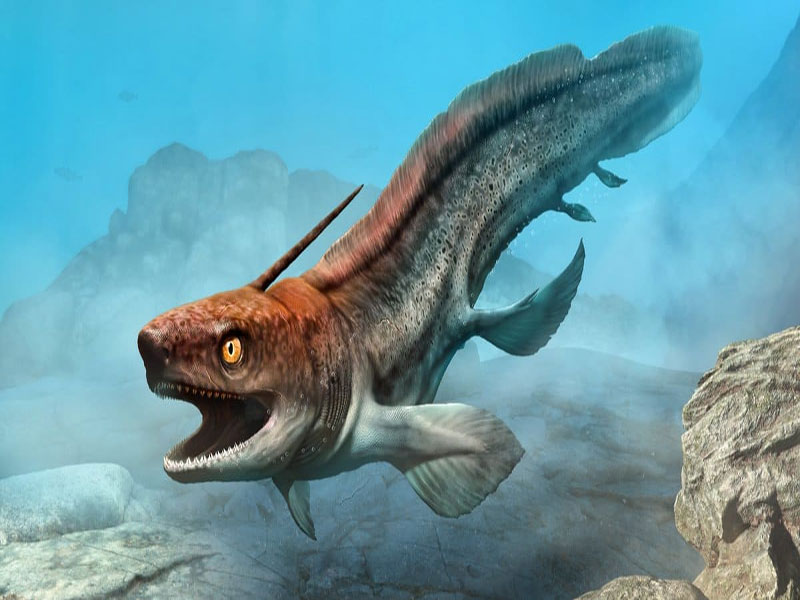
- 2. Xenacanthus: This extinct genus of freshwater sharks lived during the Paleozoic and Mesozoic eras, known for their elongated bodies and characteristic dorsal fin spines. These ancient sharks inhabited prehistoric rivers and lakes on the ancient supercontinents, showcasing their unique adaptations to freshwater environments and their role in the early evolution of cartilaginous fish.
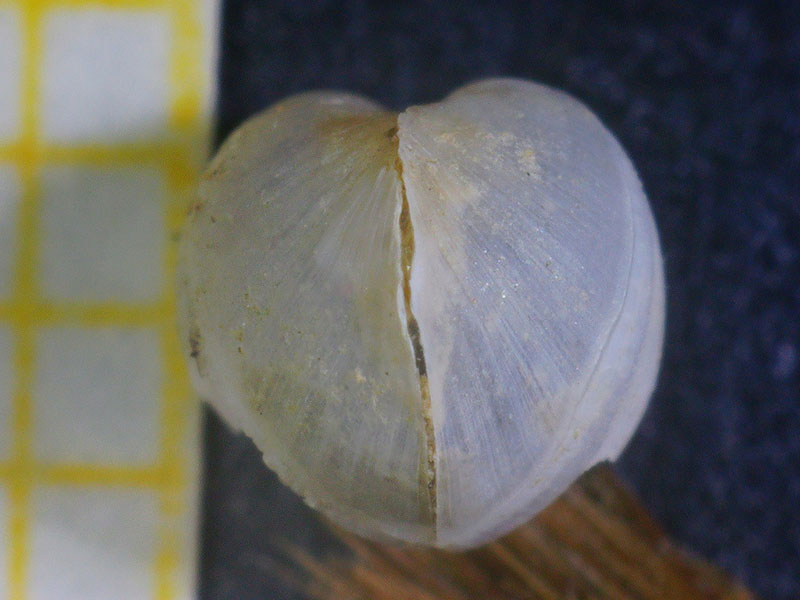
- 3. Xylophaga Dorsalis (Boring Clam): This extinct marine bivalve mollusk is recognized for its specialized adaptation to bore into wood and plant material submerged in the ocean. It played a significant role in decomposition and nutrient cycling of submerged wood in ancient marine environments, contributing to our understanding of the complex interactions between marine organisms and submerged organic substrates.
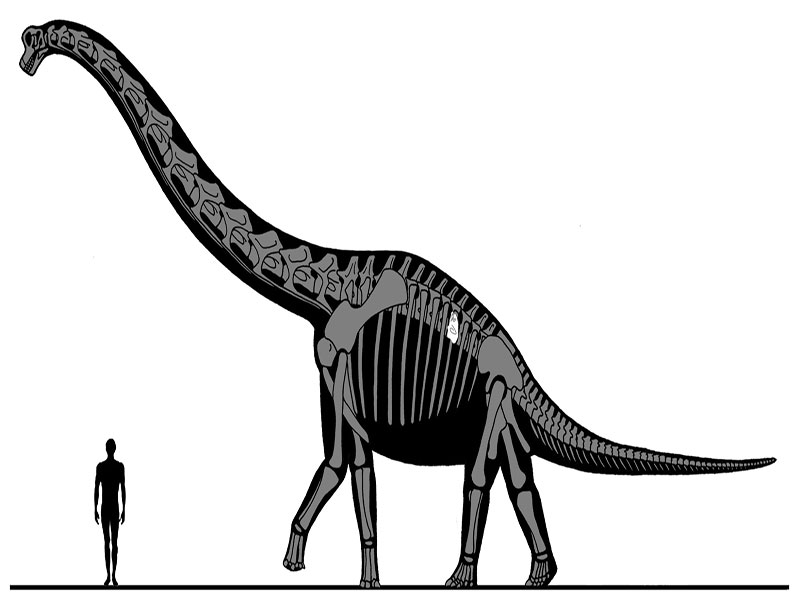
- 4. Xenoposeidon Proneneukos: This extinct genus of sauropod dinosaur lived during the Early Cretaceous period. It was characterized by its large size, long neck and tail, and herbivorous feeding habits. It inhabited the lush terrestrial environments of ancient Europe, contributing to our understanding of the paleobiogeography and ecological dynamics of these ecosystems.
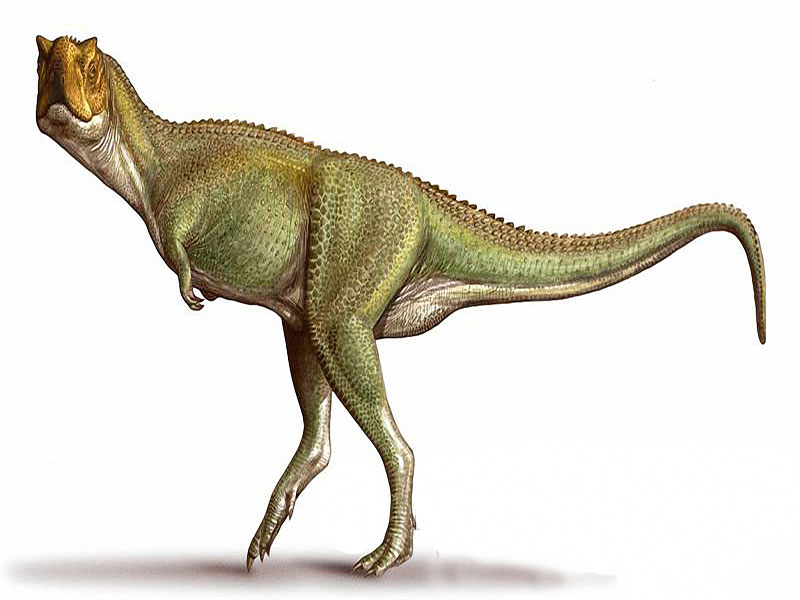
- 5. Xenotarsosaurus Bonapartei: This theropod dinosaur lived during the Late Cretaceous period. It was characterized by its robust build, sharp teeth, and powerful hind limbs adapted for swift movement and predatory behaviors. It inhabited ancient terrestrial environments in South America and contributed to our understanding of the diverse carnivorous dinosaur fauna that roamed prehistoric landscapes.
This article introduces us to a stunning array of unique and fascinating creatures that begin with the letter “X”. From the mysterious Xantus’ Murrelet to the aquatic clawed frog (Xenopus laevis), each offers a glimpse into the wonders of biodiversity. Whether they live in the skies, in the seas, or on land, these animals remind us of the beauty and complexity of nature. By learning about these extraordinary creatures, we expand our knowledge and appreciation for the diverse life forms that share our planet.
If you’re searching for animal names starting with a different letter, explore our other comprehensive articles dedicated to animal names.